
In a world that insists on wrapping everything up with a neat bow, films that refuse to explain themselves feel like a small act of rebellion. These stories linger in your mind because they don’t give you every answer. They let you sit with mystery, piece things together, and stay curious. That tension between “what just happened?” and “what does it mean?” keeps the conversation going long after the credits roll.
What Makes an Ending Ambiguous Enduring
Ambiguous endings work differently than simple twists. They don’t rely on surprise alone. They invite the viewer in, make them part detective, part philosopher. You don’t just absorb the ending—you carry it around. That’s why these endings stay memorable, almost like a riddle you never fully solve. Readers who enjoy the same tension in games often explore it elsewhere, like the Starburst demo to play for free, where unpredictability is part of the fun.
Here’s how ambiguous endings usually work their quiet magic:
- They leave emotional space. You feel unsettled, but not cheated. That lingering doubt can feel strangely satisfying.
- They spark discussion. When the film doesn’t spell everything out, viewers bring their own ideas. That multiplies interpretations.
- They echo reality. Real life rarely ties up cleanly. Films that mimic that feel more honest.
After looking at how they function, we can dive into ten movies that show why directors sometimes refuse to hand us clarity.
Ten Films That Refuse to Explain Themselves
1. Mulholland Drive
David Lynch turns Hollywood dreams into nightmares, building a puzzle box of identities and timelines. What starts as a story about an aspiring actress unravels into fragments of dream logic. Viewers debate whether the second half is reality or delusion. Its hypnotic imagery and refusal to resolve identity, guilt, and love make it one of the most analyzed films of modern cinema.
2. Birdman
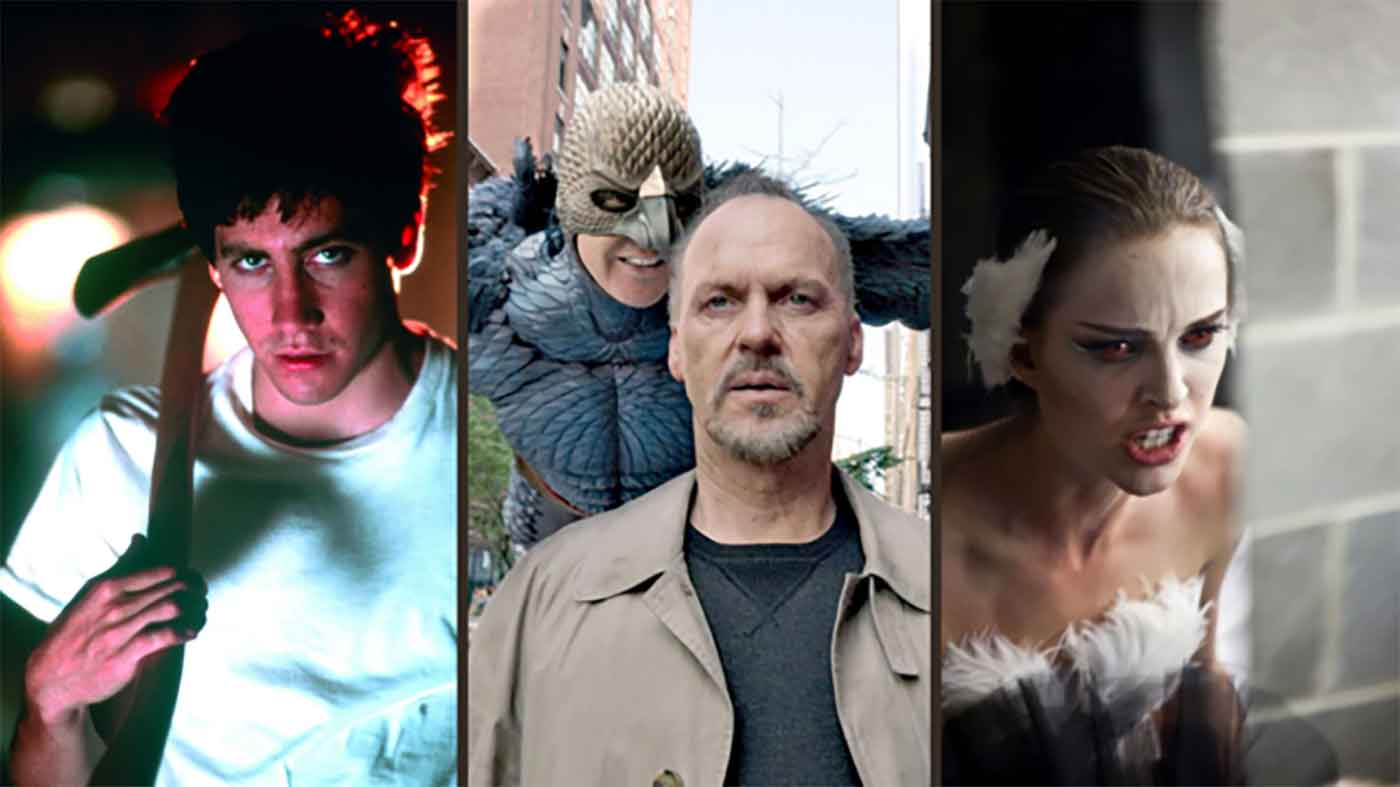
Alejandro González Iñárritu leaves the final moment of Riggan Thomson’s life unresolved. He might fly, fall, or simply imagine it. The story has already blurred his ego, art, and madness. That closing image refuses to settle, echoing the entire film’s conflict between reality and performance. The ambiguity is less about tricking you and more about capturing a fractured artist’s unstable inner world.
3. Caché
Michael Haneke’s Caché never tells you who sends the mysterious videotapes. Instead, he points you toward themes of colonial guilt, repression, and personal denial. The final scene—a quiet long shot—may hold a clue, but it’s left to interpretation. The unease comes from realizing there may be no single culprit, only the lingering weight of history and memory that refuses to fade.
4. The Thing
John Carpenter ends on two survivors, Childs and MacReady, staring at each other in the snow. One of them may be infected. Maybe neither. The mistrust never resolves. That open question makes the film more unsettling than any monster reveal. Decades later, fans still argue over details like breath visibility or alcohol bottles, proof of how ambiguity can extend a story’s life far beyond release.
5. The Shining
Stanley Kubrick chooses imagery over explanation. The final photograph with Jack Torrance in a 1921 party leaves the audience stranded between supernatural horror and psychological breakdown. Every detail—maze shots, ghostly encounters, cryptic dialogue—feels deliberate, but the ending denies one clean answer. Kubrick wanted viewers stuck in the Overlook Hotel’s labyrinth long after leaving the theater.
6. The Graduate
Mike Nichols closes with Ben and Elaine sitting on a bus, having just disrupted a wedding. Their laughter fades, replaced by silence and uncertain stares. The film flips from romance to doubt in seconds. That shift captures the raw awkwardness of freedom without direction. Instead of promising a happy ending, Nichols forces you to consider what happens when adrenaline fades and real life begins.
7. Donnie Darko
Richard Kelly’s cult classic layers time travel, alternate universes, and teenage angst into a story that collapses in on itself. Donnie’s sacrifice may save others, or it might simply reset a doomed loop. The film never clarifies the mechanics. That ambiguity has fueled endless fan theories, director’s cut debates, and message board dissections for more than two decades.
8. Black Swan
Darren Aronofsky crafts a psychological ballet where Nina’s transformation is both triumphant and terrifying. By the final act, it’s impossible to tell what’s real and what’s hallucination. Her last words, “I was perfect,” feel like a confession, a death cry, or both. The ending forces viewers to decide whether she transcended or destroyed herself in pursuit of art.
9. American Psycho
Mary Harron’s adaptation of Bret Easton Ellis’s novel leaves audiences uncertain about Patrick Bateman’s crimes. Did he commit them, or was it fantasy? His confession goes unanswered. Colleagues treat him as a harmless nobody. The satire of consumer culture works precisely because the violence may be imagined. That blurred line makes Bateman both monster and mirror.
10. Challengers (2024)
Luca Guadagnino closes his tennis drama not with a match point, but with a freeze on the rally. We never see who wins. Instead, the focus rests on the relationships between Tashi, Art, and Patrick. Their tangled love triangle and competitive energy matter more than the scoreboard. By refusing a result, the film reminds us that connection often overshadows outcome.
Why We Loop Back Again
Movie endings that don’t clarify let you return on your own terms. After a week you might think: “Maybe it meant X,” or feel a new take click. That’s engagement. That’s ownership. And sometimes, just like in a Hot Hot Fruit slot demo, the fun is in the spin itself, not in seeing the end locked in place.
Simple Takeaways
Ambiguous endings aren’t tricks. They’re invitations. Films like Mulholland Drive or Challengers trust you to care, to think. Your interpretation matters, even more than the director’s original idea. These endings don’t tie stories shut. They hand you the thread and let you keep weaving long after the screen fades.