
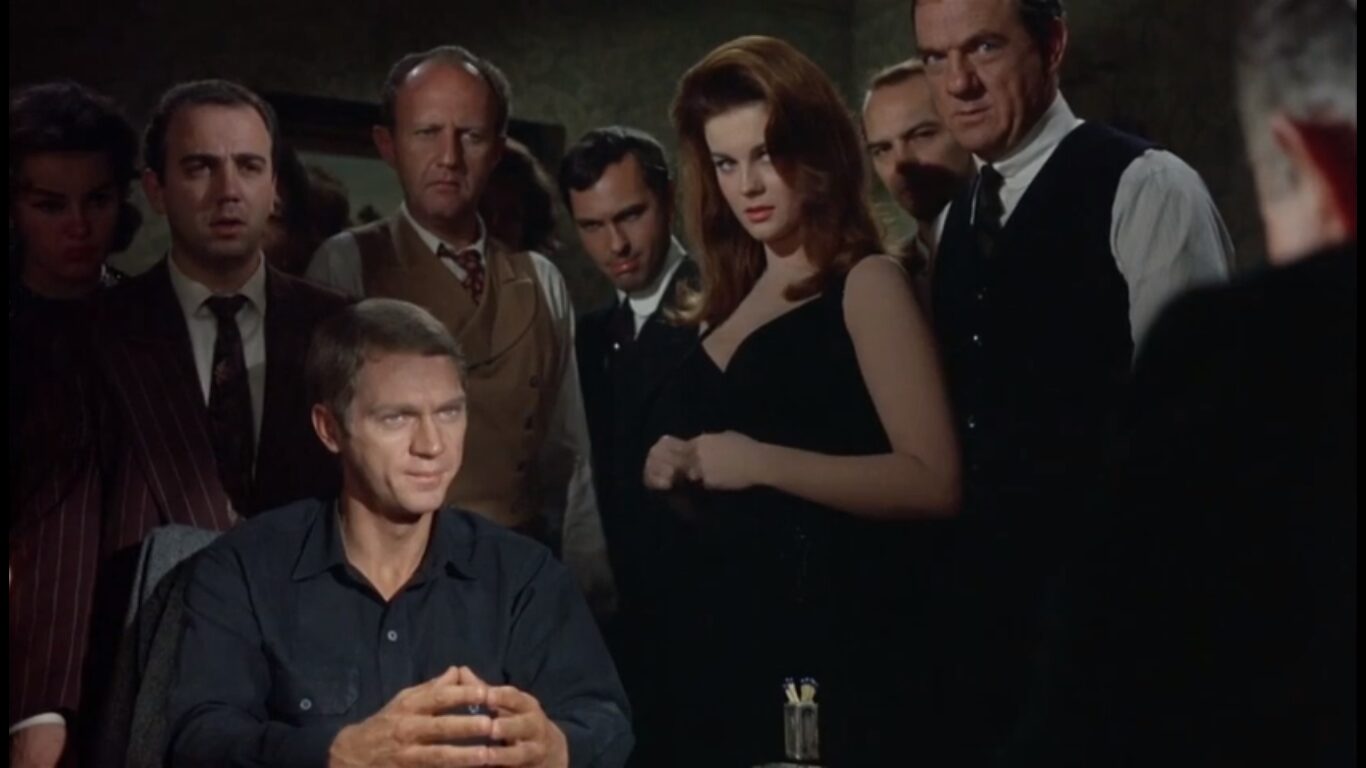
Gambling remains one of cinema’s most effective ways to show risk, pressure, and human behavior under uncertainty. A poker hand, a roulette spin, or the roll of dice can reveal far more than the chance of winning money. These scenes show ego, instinct, fear, and control in their clearest form. That is why gambling appears so often in film, and why it still interests viewers beyond the screen.
These films do more than entertain. They also shape how people think about odds, strategy, and gambling itself.
Why the Casino Floor Works So Well on Screen
Risk is a story engine. The second a character commits to a wager, every person in the audience leans forward. Will he win? Can she bluff her way through? The uncertainty does half the screenwriter’s job.
Take “Rounders” (1998). Mike McDermott, played by Matt Damon, does not just play poker. He lives inside it. The film opens with him losing his entire bankroll in one session against Teddy KGB, a Russian mobster whose habit of splitting Oreo cookies reveals every strong hand. That single scene sets up the whole film’s tension: discipline versus compulsion, talent versus ego. Film returns to gambling again and again because its imagery is instantly understood: chips, cards, and silence before the reveal all signal tension.
The culture around card games and probability runs deeper than Hollywood, of course. Many viewers who discover these films become curious about how the mechanics work in real life. That is why guides covering options like free spins no deposit not on GamStop often serve as an entry point for people exploring modern online play. Platforms like Premium Times Casino add value by testing and ranking online casinos for UK players against clear safety criteria.
Films That Built the Genre
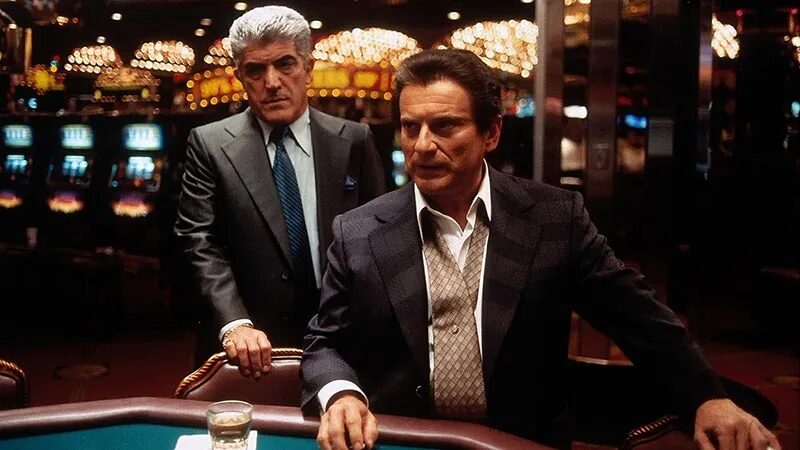
Some movies treat gambling as pure entertainment. Others use the card table as a lens for examining something darker. The best ones manage both at the same time. Here are a few that got the balance right:
- “The Cincinnati Kid” (1965): Steve McQueen plays a young poker prodigy gunning for the top player in town. The final hand remains one of cinema’s most debated moments, and it ends in a way most audiences do not expect.
- “Casino” (1995): Scorsese turns Las Vegas into a living ecosystem of greed. The gambling floor is not a backdrop here. It is the organism that the entire story feeds on.
- “21” (2008): Based on the real MIT Blackjack Team, this film follows a group of students who used card counting to beat Vegas for millions. The mathematics behind their system is accurate, and the eventual crackdown by casino security is equally factual.
- “Uncut Gems” (2019): Adam Sandler as Howard Ratner juggles a sports bet, a loan shark, and a stolen gem simultaneously. The Safdie brothers never let the viewer breathe. Every five minutes something new goes wrong.
That same interest now extends into digital formats, where familiar games take on new forms.
Risk as a Character Tool
What separates strong gambling cinema from forgettable entries is whether the bet means something beyond money. In “Maverick” (1994), Mel Gibson’s entire arc is about trust and deception wrapped inside a poker tournament. In “The Gambler” (2014), Mark Wahlberg plays a literature professor who is not addicted to winning. He is addicted to the edge, the exact point where everything could fall apart. That is a specific and uncomfortable psychological portrait. This is what makes gambling scenes so effective: they compress uncertainty, pressure, and the illusion of control into a single moment.
Directors lean on a handful of techniques to make risk feel real on screen. These patterns show up across decades and genres:
- The false win. A character gets lucky early, which makes the later collapse more painful. The audience lets their guard down alongside the protagonist.
- The tell. A physical habit that reveals hidden information. It works both ways: the character reading others, and the audience reading the character.
- The last bet. Everything placed on a single outcome. It forces the narrative to a point of no return, and the story cannot walk it back.
These are not just screenwriting tricks. They mirror how real people behave under pressure, which is exactly why audiences recognize them without being told what to feel.
The Glamour and the Rot
Hollywood has always been pulled in two directions when it comes to gambling. The casino floor looks extraordinary on film, all light and motion and possibility. But the genre has an equally long tradition of showing exactly where that beauty leads.
“Owning Mahowny” (2003) is based on a true story about a Canadian bank manager who embezzled millions to fund a compulsive habit. Philip Seymour Hoffman plays him with quiet devastation. There are no dramatic speeches. Just a man walking into a casino again and again, knowing the result and going anyway. That is what the strongest gambling films understand: the line between controlled play and destructive compulsion is often much thinner than it looks.
The most honest films in this space share a few things in common:
- They show the social cost clearly. Relationships hollowed out, families quietly destroyed.
- They do not offer easy redemption. Not every story ends with a lesson learned and a changed life.
- They treat the compulsion as a real and specific force, not a cartoonish weakness. The character is often intelligent, aware of the problem, and unable to stop regardless.
What the Bet Is Really About
The best gambling films are never only about money. They are about pressure, uncertainty, and the choices people make when outcomes are unclear. That is why the theme remains compelling both on screen and in real-world discussions of risk.