
Key Points
- KidPoker is less about poker fame and more about how a person builds themselves under pressure.
- The film shows that growth often comes through small corrections rather than dramatic change.
- Its deeper lesson is that uncertainty can shape character instead of destroy it.
- KidPoker works as a powerful study of selfhood, not just a documentary about cards.
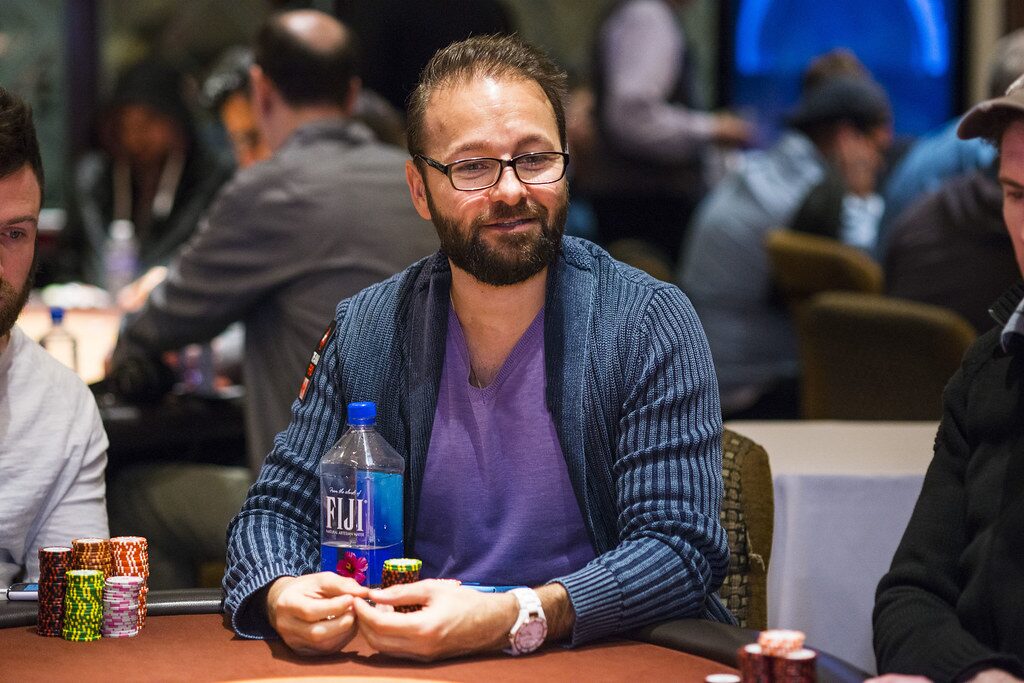
There are sports documentaries that tell you who won, and there are documentaries that show you how a person becomes who they are under pressure. KidPoker belongs in the second group of movies that make people think. It follows Daniel Negreanu through the rise of his poker career, but the deeper subject is not fame, money, or even mastery. It is self-construction. The film tracks how a public competitor builds a private center strong enough to survive swings, noise, ego, and repetition. It does that through interviews with friends, family, and Negreanu himself, which gives the story a personal frame instead of a highlight reel.
How Negreanu Turns Competition Into Character
Negreanu is worth watching because his role in poker is not limited to being a winner. He is a reader, an adjuster, and a performer of calm. KidPoker makes clear that his real edge is not some single dramatic trait. It is his ability to keep revising who he is at the table without losing who he is away from it. That sounds small until you remember what high-level poker asks of a person. Every session tests memory, patience, timing, self-control, and the ability to recover after being wrong.
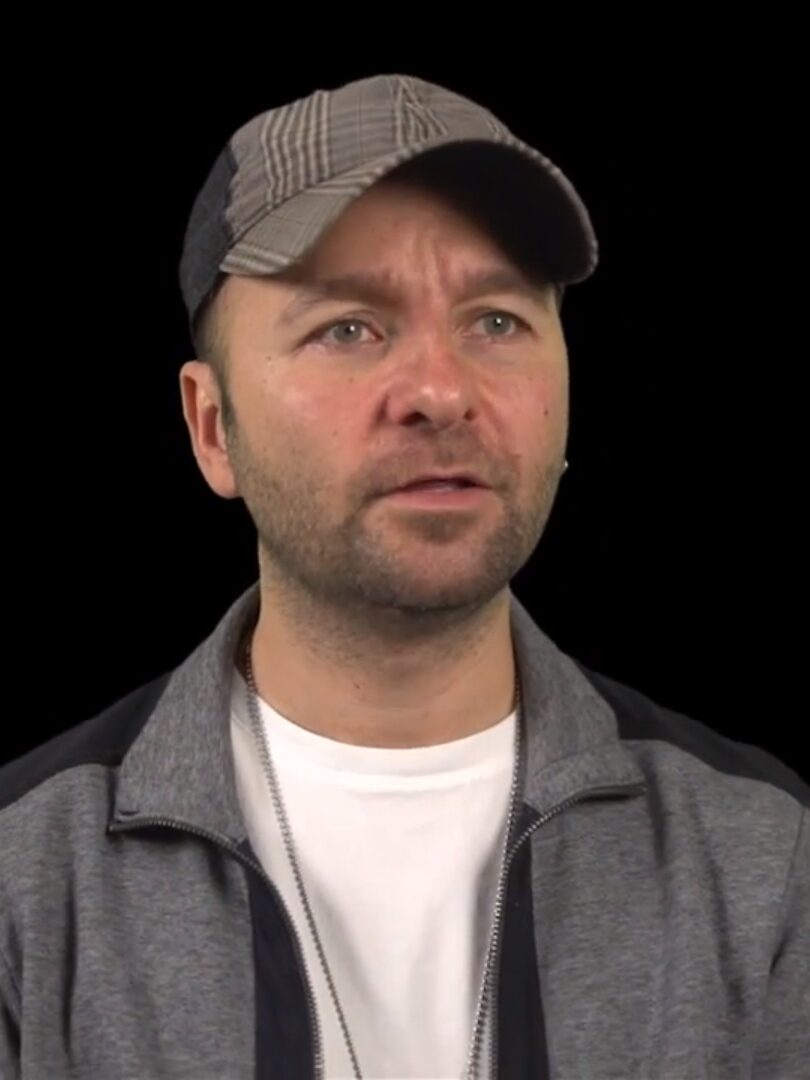
Negreanu became so popular because he mixed great poker skill with a big personality, clear table talk, and a style that made even casual fans enjoy watching him.
That is where the film becomes useful as a study of the self. Negreanu does not play like someone chasing one perfect version of himself. He plays like someone who knows identity has to stay flexible. In one stretch, he can use warmth and conversation to shape how others see him. In another, he can tighten up, wait, and let discipline do the work. The point is not style for its own sake. The point is that the best competitors learn to move between modes without becoming fake. They build a self that can bend without breaking.
Why his tournament life says so much about growth
This matters even more when you think about Texas Hold’em online tournaments and competitions because they touch more people thanks to accessibility of the internet, hence many more players experience the nature of the game. So many have felt on their skins that they punish vanity fast. KidPoker shows why Negreanu became such a good example for this world, even when the camera is showing live poker. His tournament life is built on doing the same important things again and again: reading people, saving his energy, choosing the right moments, and lasting through long hours when not much seems to happen.
Online Texas Hold’em tournaments also show something the film keeps coming back to: getting better is usually not loud or flashy. Most of it happens in small corrections.
That is why his tournament story works so well as a lesson in building the self. He does not come across as a finished product. He comes across as a person constantly editing his reactions so his best habits can show up when the stakes rise. His official career profile lists seven bracelets, two player of the year honors, and more than $23 million in earnings in the game’s biggest annual series. Those numbers matter, but mainly because they show how long he has been able to sustain that process.
Why the Documentary Feels More Relevant Now
KidPoker lands differently today because the culture around poker is much larger, more visible, and more demanding than many viewers assume.
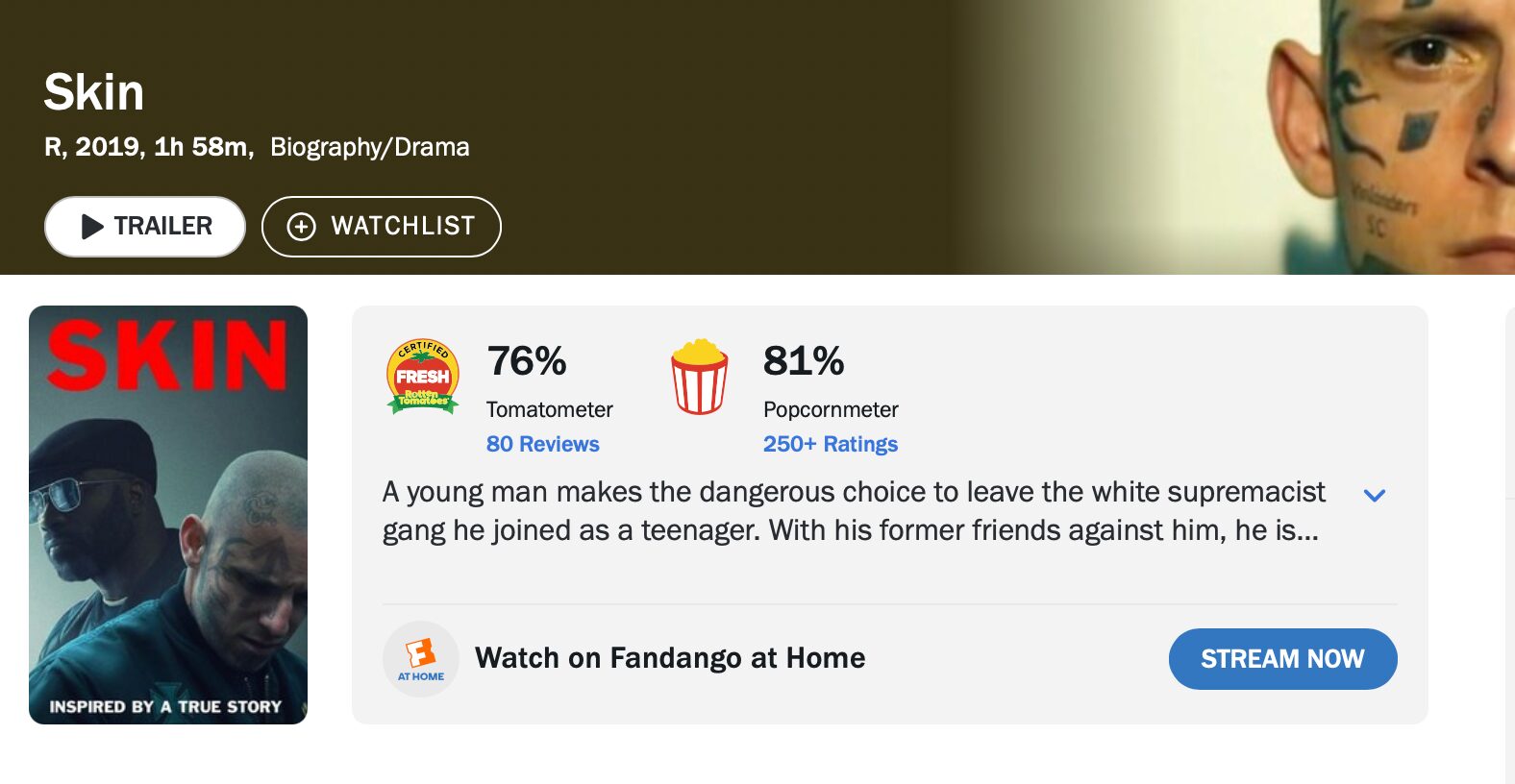
Daniel Negreanu has also done well as a producer. One movie he worked on, Skin, got 76% from critics and 81% from audiences on Rotten Tomatoes. Screenshot Image: From Here
What makes this useful for a viewer is simple. Bigger scale means thinner edges. It means more study, more repetition, and more need for emotional control. So when KidPoker shows Negreanu building routines, reading opponents, and trying to stay level through long stretches of variance, it is not showing an old poker myth. It is showing the kind of inner work that becomes more valuable as the game gets more crowded and more public. That is one reason the documentary works as a film about selfhood, not just success.
Negreanu is one of the most famous people in poker, but players like Jesse Lonis, Punnat Punsri, and Alex Foxen show that there are still many other very strong players in the game. Their skill is just as serious, even if they are not as famous yet or do not have the same kind of movie or documentary attention. But they show the competitiveness of the industry.
What the Film Understands About Uncertainty
There is also a strong research case for taking poker seriously as a way to study the self. A peer-reviewed study of 354 online poker players found that experienced players showed less self-rumination, more self-reflection, and better mathematically grounded decision-making than inexperienced players in poker scenarios. That distinction matters. Rumination traps a person inside emotion. Reflection turns emotion into information.
That idea gives KidPoker its real force. The film is not interesting because Negreanu seems fearless. It is interesting because he keeps working inside uncertainty without letting uncertainty define him. Maria Konnikova put that point well in The Guardian when she wrote, “Poker is a way to conceptualize the mess.”
Why the documentary feels bigger than poker
That line could almost stand as the documentary’s hidden thesis. Building the self is not about removing chaos from life. It is about developing a way to act well when clarity never fully arrives. Negreanu’s value as a subject is that he makes this visible. He competes, misreads, adjusts, returns, and keeps trying to align instinct with discipline. KidPoker shows that a strong self is not the self that never cracks. It is the self that can take in pressure, learn from it, and come back with more shape than before.
Watch KidPoker for the poker, but stay with it for the deeper lesson. It is one of those rare documentaries that shows selfhood as something built hand by hand, choice by choice.