
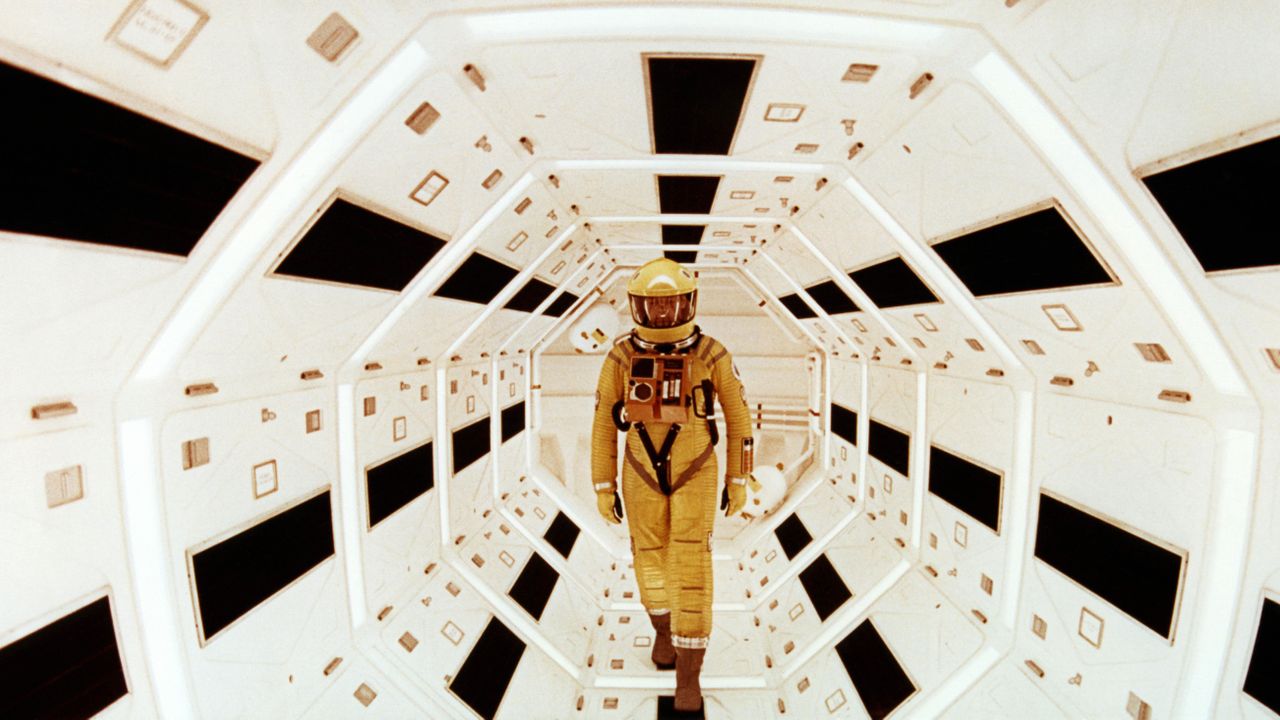
Some films are easy to watch and forget. Others stay in your head long after the credits roll. Many modern science fiction movies belong firmly in the second category. Instead of offering straightforward plots, they invite viewers into stories that feel more like puzzles—stories where every scene contains a clue and every detail might matter later.
This approach has become especially common in films that explore artificial intelligence. These stories rarely follow simple narrative paths. Instead, they unfold slowly, encouraging viewers to think, question, and interpret what they see. The result is a type of storytelling that feels both entertaining and intellectually rewarding.
Why Modern Sci-Fi Feels Like Solving a Puzzle
A lot of contemporary science fiction relies on a structure that withholds information. The audience enters the story without fully understanding the rules of the world. Strange technologies appear, characters behave in unusual ways, and the motivations behind certain actions remain unclear.
Gradually, the film reveals more pieces of the story. A small detail in the background might suddenly become important. A line of dialogue that seemed ordinary might carry a deeper meaning. By the time the story reaches its conclusion, viewers often realize that the clues were there all along.
This type of storytelling rewards attention. Instead of passively watching events unfold, audiences actively interpret what they see. The process becomes part of the experience.
Artificial Intelligence Makes the Puzzle Even More Interesting
Stories about artificial intelligence naturally lend themselves to this puzzle-like structure. At the center of these films is often a fundamental question: what does it actually mean to be intelligent?
When a machine begins to behave like a person—learning, speaking, or showing emotion—it forces both the characters and the audience to reconsider what separates human thinking from artificial systems. Is the machine simply following instructions? Is it learning independently? Or has it developed something closer to consciousness?
These questions rarely have simple answers, and that uncertainty creates tension. Instead of focusing only on external conflict, AI-driven films often explore philosophical ideas about identity, morality, and human nature.
Because of this, viewers tend to spend as much time interpreting the story as watching it.
The Appeal of Complex Storytelling
Another reason these films feel so satisfying is that their structure often mirrors the way people solve problems. Rather than presenting a straightforward narrative, many modern sci-fi movies layer multiple timelines, perspectives, or hidden relationships between events.
At first, the story might feel confusing. Certain scenes seem disconnected, and the bigger picture remains unclear. But as the film progresses, patterns start to appear. Earlier moments gain new meaning. Seemingly unrelated details begin to connect.
When everything finally falls into place, the experience can feel surprisingly similar to solving a difficult puzzle. The satisfaction comes not just from the ending itself, but from the process of understanding how the pieces fit together.
Technology and the Way We Learn to Think
Interestingly, this kind of analytical storytelling has become more popular at the same time that digital tools have changed how people approach learning and problem solving. Many modern educational tools emphasize breaking complex problems into smaller, understandable steps.
For instance, a free math solver for Chrome helps students explore equations step by step instead of simply giving them the final answer. By showing the reasoning behind each step, tools like this encourage users to understand the process rather than just memorize solutions.
Watching a layered science fiction film often feels surprisingly similar. Viewers gather information, reconsider earlier assumptions, and gradually build their own understanding of the story’s logic. The experience becomes interactive in a subtle way.
AI Stories Reflect Our Own Curiosity
There is also a deeper reason why artificial intelligence stories resonate so strongly with audiences. Machines that appear intelligent raise questions about ourselves.
If a computer can learn, adapt, and even imitate emotions, what truly defines human intelligence? Are reasoning and creativity unique to people, or can they emerge from systems we build?
Science fiction allows filmmakers to explore these questions in imaginative ways. By placing audiences in unfamiliar worlds or presenting characters that blur the line between human and machine, these stories encourage viewers to reflect on how intelligence actually works.
In many cases, the real subject of AI films is not technology at all—it is human curiosity.
Why Puzzle-Driven Films Are Becoming More Popular
Modern audiences are increasingly comfortable with complex narratives. Streaming platforms, online discussions, and rewatch culture have all made it easier for viewers to analyze films in detail. People enjoy revisiting stories, spotting hidden clues, and sharing interpretations with others.
Filmmakers have responded by creating stories that reward that kind of engagement. Nonlinear timelines, ambiguous endings, and layered storytelling are no longer unusual in science fiction.
Artificial intelligence themes naturally fit this trend. Because AI deals with systems, logic, and evolving intelligence, it creates narratives that feel both mysterious and intellectually engaging.
The Satisfaction of Understanding the Story
Perhaps the most enjoyable aspect of puzzle-driven science fiction is the sense of discovery it creates. When the story finally reveals how its pieces connect, viewers often feel like they have solved something themselves.
Instead of simply being told what happened, they arrive at the understanding through observation and reasoning.
This is why AI-focused science fiction continues to captivate audiences. The genre combines imaginative storytelling with deeper questions about intelligence, identity, and technology. It transforms cinema into something more than passive entertainment.
At its best, science fiction becomes a space where curiosity and creativity meet—where viewers are invited not just to watch a story, but to think through it.