
A casino vault is often seen as the ultimate symbol of modern invulnerability. It is a place where hundreds of millions of dollars are protected by layers of steel, biometric sensors, and guards who never blink. In the world of cinema, breaking into these fortresses is a classic trope, but the real magic happens in the final minutes. The most memorable endings in the heist genre are not just about the money being taken. They are about the moment when a perfectly constructed plan meets the messy reality of human error or brilliant deception. These films turn the act of robbery into a high-stakes chess match where the final move changes everything we thought we knew about the story.
Pure Intellect: The Logic of the Big Win
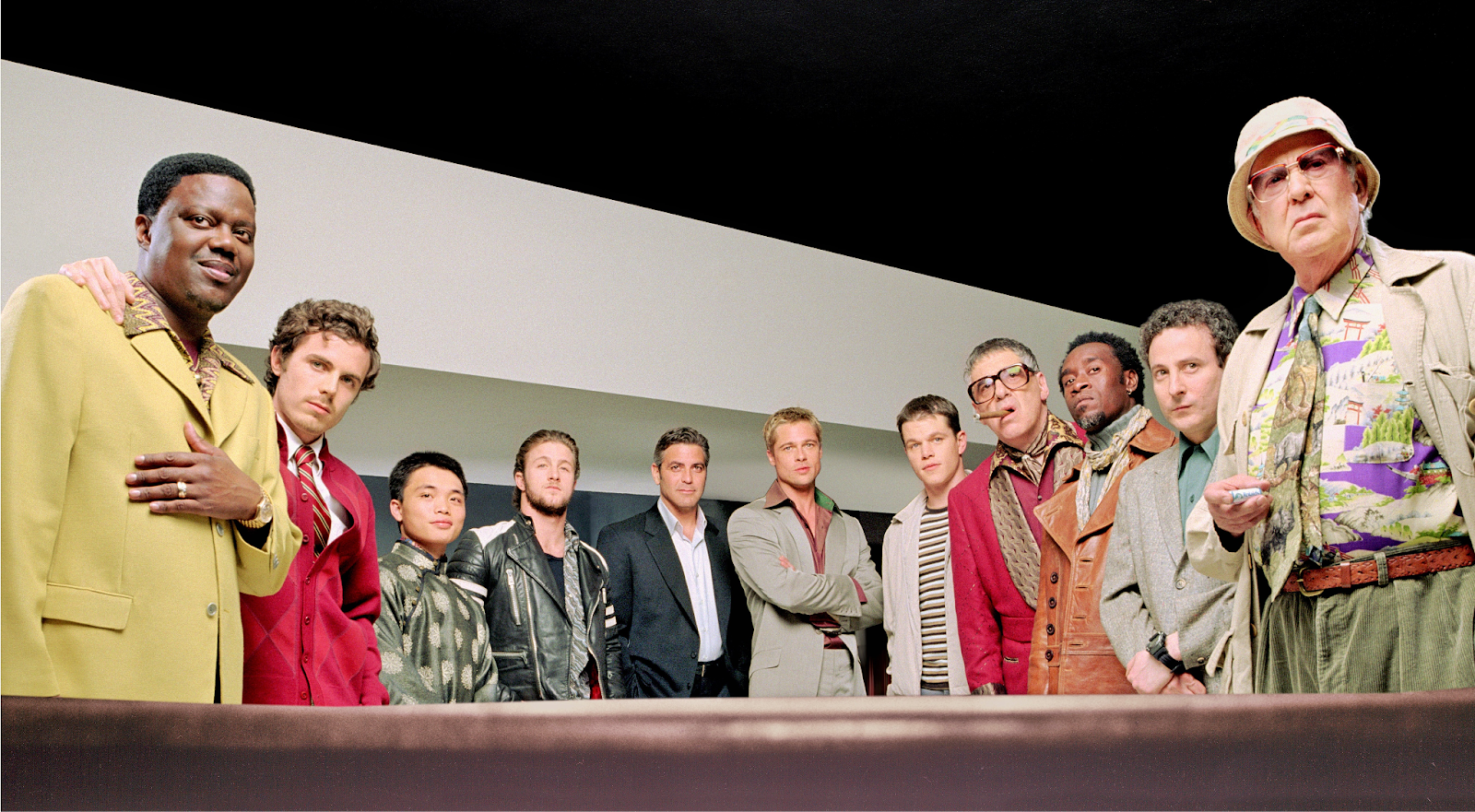
In the 2001 version of Ocean’s Eleven, the ending is a masterclass in the art of the invisible swap. The audience is led to believe they are watching a live feed of the Bellagio vault being emptied by a tactical team. In reality, they are watching a pre-recorded tape made in a mockup of the vault. This film proves that the best way to rob a casino is to sell the owner a version of reality that he wants to believe. Terry Benedict is so confident in his technology that he fails to see the people right in front of him. The final scene at the fountains is quiet and reflective. We see the neon lights of Las Vegas blurred in the water as the team members walk away one by one. There are no loud celebrations, just the heavy silence of a job well done.
A similar focus on strategy can be seen in the movie 21, which follows a group of MIT students who use card counting to drain the blackjack tables. Unlike the polished world of Danny Ocean, this story is about the brutal side of probability. The ending serves as a cold reminder that the house does not just play with cards, it plays with power. When the protagonist, Ben Campbell, loses his winnings to his mentor and ends up in a dark backroom, the sound of a fist hitting skin replaces the chime of slot machines. It is a reminder that even a mathematical edge is fragile when faced with physical force. Understanding the mechanics of such environments is essential for anyone interested in the industry. For example, when observing a modern Spinrise casino project, a user can see how clear interfaces and transparent statistics are designed to keep the player informed. A high-quality platform provides a smooth experience where the logic of the game is easy to follow, allowing for a focused and controlled session without the chaos of a movie script.
The success of a heist often depends on several critical factors that the team must manage simultaneously:
- The synchronization of watches and digital timers to bypass rotating security patrols.
- The use of social engineering to obtain access codes from unsuspecting employees.
- The preparation of a secondary escape route in case the primary exit is compromised.
- The ability to stay calm when a technical glitch threatens to lock the team inside the vault.

Technology and Sensory Detail: The Sound of the Vault
When it comes to the physical act of opening a safe, the film Army of Thieves shifts the focus to the senses. The protagonist, Sebastian, does not use explosives or high-tech hacking tools. He uses his ears. The ending of his journey with the legendary Wagner safes is a celebration of mechanical perfection. We hear every click of the tumblers and every breath he takes in the cramped space. It is a tactile experience where the cold metal of the safe and the subtle vibrations of the dial are the only things that matter. The unforgettable part of the ending is the realization that the safe is not just a box, it is a piece of art that can only be mastered through patience and a near-supernatural sense of hearing.
This focus on the “physics” of the heist makes the final success feel earned. In films like this, the ending is not a surprise twist but a release of tension. The moment the heavy door finally swings open, the sudden change in acoustics from the muffled silence of the vault to the ambient noise of the building creates a sensory “click” for the viewer. It is a win built on craftsmanship rather than luck.
Social Rebellion: The Casino as a Stage
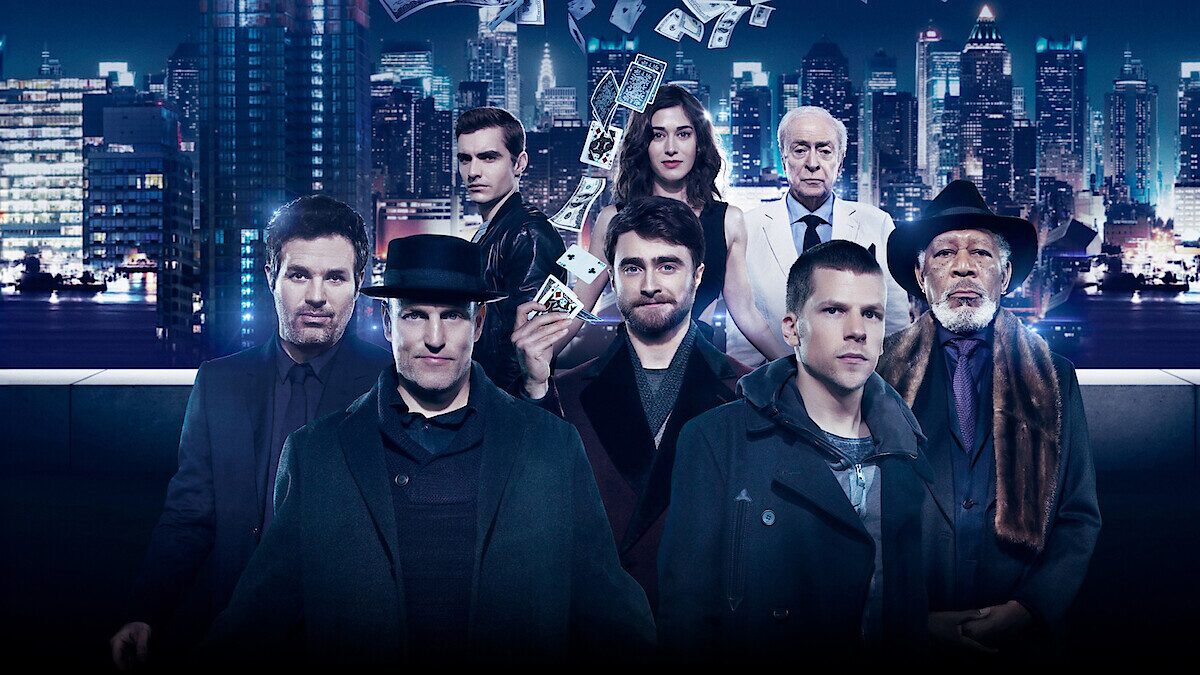
Now You See Me takes the heist and turns it into a public performance. The Four Horsemen do not hide in the shadows. They perform their crimes in front of thousands of people, using the casino as a massive stage for a social experiment. The ending of the first film reframes the entire plot, revealing that the FBI agent chasing them was the architect of the plan. This paradox changes the motive from simple greed to a personal vendetta against Arthur Tressler, a man who built his wealth on the suffering of others.
The final reveal on the carousel in Central Park is filled with specific details that stay with the audience:
- The smell of old wood and the mechanical whirring of the vintage carousel.
- The contrast between the bright lights of the ride and the dark, cold New York night.
- The realization that every “random” event in the film was a calculated step in a larger trick.
- The finality of the handcuffs clicking shut on the wrong man.
This ending works because it makes the viewer feel like they were part of the audience in the film. We were so busy looking at the flashy magic tricks that we missed the obvious clues hidden in plain sight. It moves the heist away from the sterile vault and into the realm of human psychology and theater.
Fatalism and Irony: When the Plan Crumbles
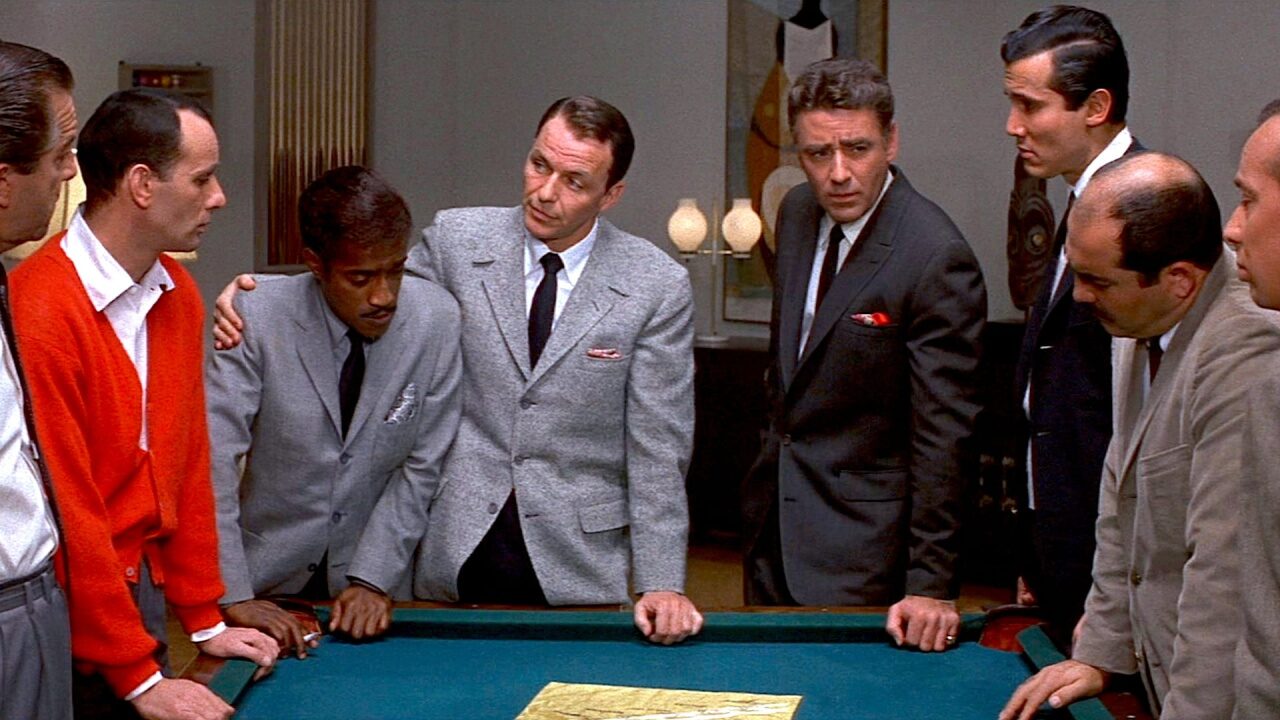
Not every heist film ends with a walk into the sunset. The 1960 original version of Ocean’s Eleven offers one of the most ironic endings in cinema history. After successfully robbing five casinos simultaneously, the team hides the money in a place they think is untouchable: the casket of a dead friend. They believe the money will be safely transported out of the city. However, a simple human decision ruins everything. The widow decides to have a lavish funeral and cremations. The final shot of the film shows the group standing outside the crematorium as a plume of smoke rises into the sky. Their millions of dollars have literally turned into ash.
This theme of the “perfect plan ruined by a small detail” is also a staple of Guy Ritchie’s films, such as Lock, Stock and Two Smoking Barrels. The ending is a masterclass in racy, interrupted rhythm. We see a character hanging over a bridge, trying to reach a bag of cash while his phone rings with a call that could change his life. The screen goes black before we see the outcome. It is a moment of pure tension that leaves the audience to imagine the result.
These endings are effective because they mirror the unpredictability of real life. Even when every camera is disabled and every guard is distracted, a simple tradition or a random phone call can bring the whole house of cards down. The following elements often lead to these ironic outcomes:
- A sudden change in weather that prevents a planned aerial escape.
- An unexpected encounter with a bystander who remembers a specific face or car.
- A personal conflict between team members that breaks out at the worst possible moment.
- The loss of a key or a tool due to a clumsy mistake in the heat of the moment.
Conclusion
We return to these films because they offer a rare look at the battle between human ingenuity and a rigid, cold system. A great heist ending provides a sense of closure that feels both surprising and inevitable. Whether it is the clever swap in the modern Ocean’s Eleven or the tragic irony of the 1960 original, these stories remind us that the house usually wins, but for one brilliant moment, a group of outsiders managed to change the odds. The click of the vault and the final getaway are more than just plot points. They are the climax of a game where the stakes are absolute, and the smallest detail can be the difference between a lifetime of luxury and a plume of gray smoke.