
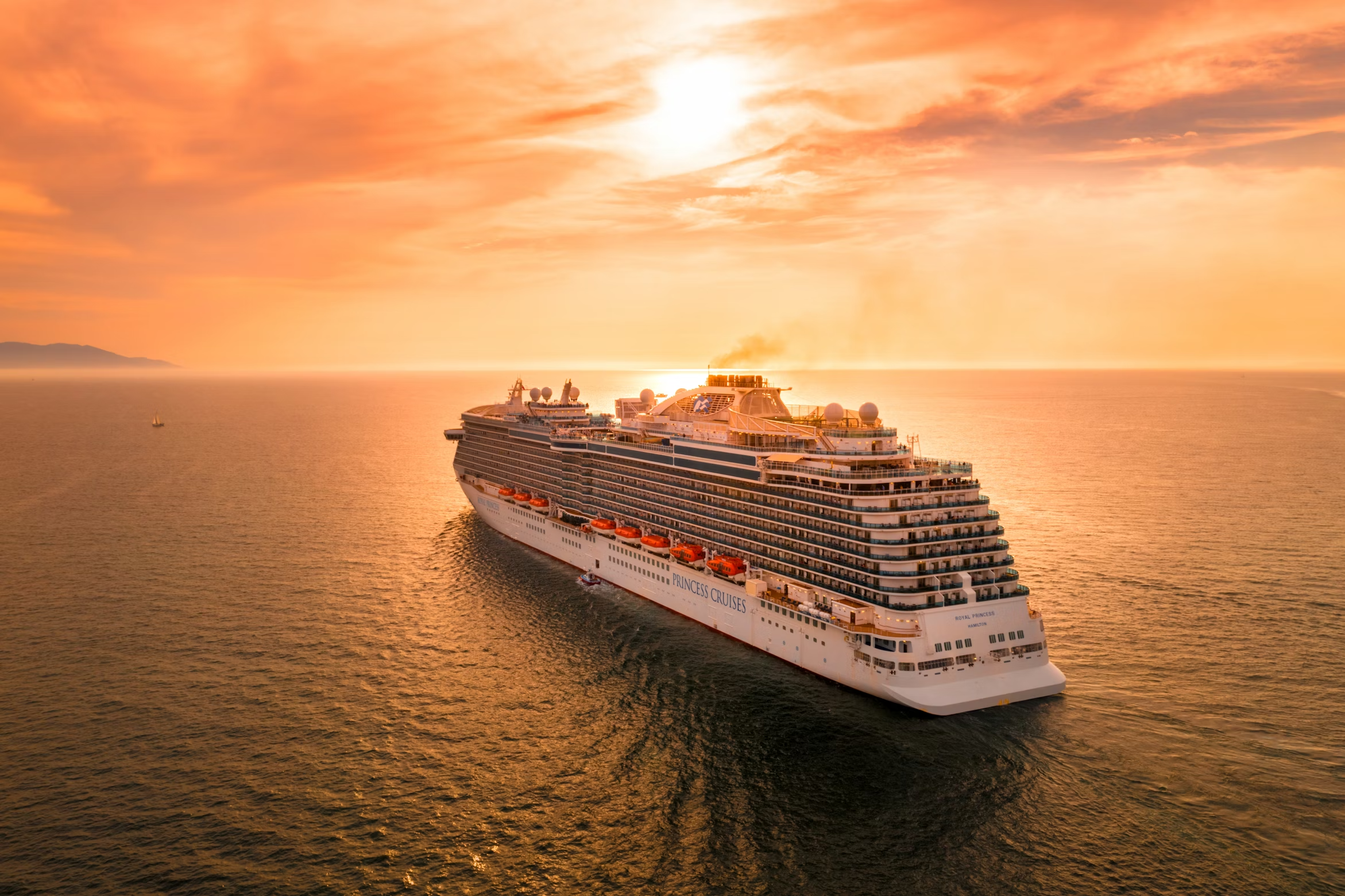
Cruise tourism has become a powerful force shaping litoral cities around the world. Ports that once served fishing fleets or cargo ships now welcome thousands of visitors arriving for short but intense stays. This form of tourism brings visibility, revenue, and new opportunities, while also introducing complex challenges for local communities.
Litoral cities are uniquely affected because their economies, ecosystems, and infrastructure are tightly connected to the sea. Cruise tourism concentrates people, consumption, and movement into narrow time windows. Understanding its impact requires looking beyond visitor numbers and considering long-term social and environmental effects.
As the cruise industry evolves, coastal cities face important decisions about how to manage growth, protect resources, and define their future role within global tourism networks.
Economic Opportunities and Local Revenue Generation
Cruise tourism generates immediate economic benefits for litoral cities. Passengers spend money on food, souvenirs, transportation, and guided experiences during their short visits. Local businesses often see sharp spikes in sales on docking days.
Ports benefit from fees, services, and employment linked to ship operations. From maintenance crews to tour operators, cruise arrivals create jobs that did not previously exist. Municipal revenues may increase through taxes and port agreements.
At the same time, cruise-driven consumption reflects broader patterns of leisure spending. Visitors balance excursions with digital habits and entertainment interests such as online casino responsible gaming, highlighting how tourism fits into wider global consumption behaviors.
Pressure on Urban Infrastructure and Public Services
The sudden arrival of thousands of passengers places stress on the local infrastructure. Streets, public transport, sanitation systems, and emergency services must handle temporary population surges.
Small litoral cities often struggle to scale services for peak demand without overspending year-round. Congestion reduces the quality of life for residents and can diminish the visitor experience if not managed effectively.
Infrastructure investment becomes a strategic choice. Cities must decide whether to expand capacity or manage visitor flows through scheduling and access controls.
Environmental Impact on Coastal Ecosystems
Cruise ships have significant environmental footprints. Air emissions, wastewater discharge, and noise pollution affect marine and coastal ecosystems. Coral reefs, fisheries, and coastal water quality are particularly vulnerable.
Increased foot traffic also damages sensitive shoreline habitats. Beaches and historic waterfronts experience erosion and litter accumulation during high traffic periods.
Litoral cities that depend on natural beauty face a dilemma. Economic gains from cruises can undermine the very environments that attract visitors if environmental safeguards are insufficient.
Social Effects on Local Communities
Cruise tourism alters daily life for residents. Shops and restaurants may shift focus toward visitors, raising prices and changing the character of neighborhoods. Some locals feel displaced from public spaces during peak days.
Cultural exchange can be positive when managed respectfully. Visitors learn about local traditions, while residents gain exposure to global cultures. Problems arise when interactions become transactional and superficial.
Maintaining community identity requires policies that protect resident access to housing, services, and cultural spaces alongside tourism growth.
The Role of Port Development and Urban Planning
Port expansion is often necessary to accommodate larger ships. These projects reshape waterfronts and influence urban development patterns. New terminals can revitalize neglected areas but may also privatize public space.
Urban planning decisions determine whether ports integrate with cities or become isolated zones. Walkable access, mixed-use development, and public amenities improve outcomes for residents and visitors alike.
Long-term planning helps align cruise infrastructure with broader city goals rather than short-term revenue targets.
Economic Leakage and Unequal Distribution of Benefits
Not all cruise revenue stays local. Many passengers book excursions through cruise companies, limiting income for independent operators. Onboard spending competes with local businesses.
This economic leakage reduces the overall benefit for host cities. Small enterprises may struggle to access cruise markets without formal agreements or marketing support.
Policies that encourage local sourcing, fair partnerships, and transparent contracts help retain value within the community.
Cultural Heritage and Overtourism Risks
Historic litoral cities face risks of overtourism. Monuments, old towns, and cultural sites experience accelerated wear when visitor numbers spike repeatedly.
Managing access to heritage sites protects their integrity. Timed entry, guided routes, and visitor education reduce damage while maintaining tourism appeal.
Preserving cultural heritage requires balancing openness with conservation. Cruise tourism must be aligned with heritage management plans.
Public Health and Safety Considerations
Large passenger movements raise public health and safety concerns. Emergency response capacity must account for accidents, illness, and crowd control during peak periods.
Recent global health events highlighted vulnerabilities associated with cruise travel. Litoral cities now emphasize preparedness, coordination, and clear communication protocols.
Strong health infrastructure and contingency planning protect both residents and visitors while supporting industry resilience.
Community Participation and Governance
Effective cruise tourism management depends on inclusive governance. Residents, businesses, port authorities, and environmental groups must participate in decision-making.
Community input helps identify priorities and acceptable limits. Transparent processes build trust and reduce conflict over tourism development.
Cities that engage residents early achieve more sustainable outcomes and a stronger social license for tourism activity.
Innovation and Sustainable Cruise Practices
The cruise industry is under pressure to adopt cleaner technologies. Shore power, cleaner fuels, and waste reduction initiatives reduce environmental impact.
Litoral cities can incentivize sustainable practices through port policies and fees. Ships that meet higher standards gain preferential access or reduced charges.
Innovation creates opportunities for cities to position themselves as leaders in responsible tourism.
Diversification Beyond Cruise Tourism
Reliance on cruise tourism alone increases vulnerability to market shifts. Litoral cities benefit from diversifying tourism offerings and local economies.
Promoting longer stays, cultural tourism, and regional attractions spreads benefits more evenly and reduces congestion. Economic diversification strengthens resilience.
Cruise tourism can complement rather than dominate local development strategies.
What the Future Holds for Litoral Cities
The future of cruise tourism will be shaped by environmental regulation, traveler expectations, and technological change. Litoral cities that plan proactively will adapt more successfully.
Managing growth rather than maximizing volume will become increasingly important. Quality of experience, sustainability, and community well-being will define competitiveness.
Cities that align cruise tourism with a long-term vision can harness benefits while protecting their identity and resources.
Conclusion
Cruise tourism has a profound impact on coastal cities, bringing economic opportunities alongside environmental, social, and infrastructural challenges. Short visits generate intense activity that requires careful management.
The future depends on balanced strategies that prioritize sustainability, community participation, and diversified development. Cruise tourism can support local prosperity when integrated thoughtfully into urban and environmental planning.
Litoral cities that choose deliberate, inclusive approaches will be better positioned to navigate change and shape a resilient future by the sea.