Some people still play games from the late 90s. Some of those games even have working servers. The studios behind them moved on years ago.
Updates stopped. Support pages vanished. Nobody was bringing those games back.
But the players weren’t done.
A few people on a forum kept fixing bugs, updating files and paying for servers themselves. No budget. Sometimes no money at all.
Nobody paid them. They just liked the game and didn’t want to lose it.
Three Things Keep Old Games Running
Most revived classics use the same few tricks.
- Source ports. Fans make old engines run on new computers. Better resolution, modern controls.
- Community patches. Players fix crashes and broken quests the devs never got to.
- Total conversions. Modders take an old engine and build something almost new with it.
Take Doom. The source came out in 1997. People started changing things and never really stopped.
They got it running on calculators, printers, all sorts of weird devices. There was even that pregnancy test thing, though the hardware had to be modified a lot.
Still ridiculous.
Then there’s OpenTTD, OpenRCT2, ScummVM and DevilutionX. Different games, different crowds, same idea. Someone loved an old game enough to spend their free time making it work again.
Having the original code helps a lot. Older games are often smaller, so there’s less to deal with. Doesn’t always work out that way, though. Old code can be pretty messy. And good luck fixing it if you don’t understand how the thing works.
Those people aren’t easy to find.
Minecraft Has The Same Problem
Minecraft still gets official updates. But its modding scene looks a lot like game preservation.
Lots of modpacks run on versions that haven’t been current for years. People stay on them because their favourite mods don’t work on newer ones.
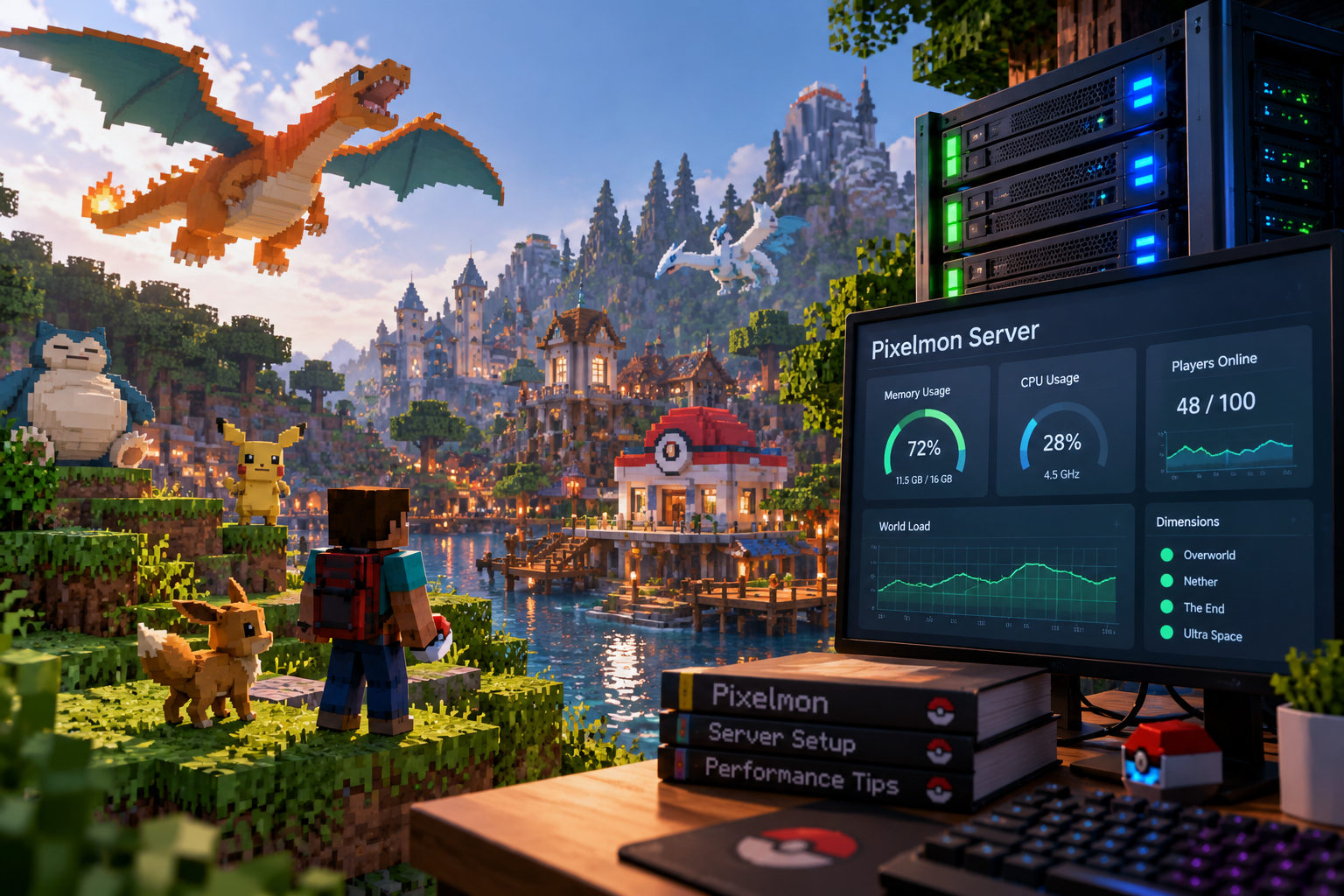
Look at Pixelmon. It’s basically a second game living inside Minecraft. You catch creatures, build teams, trade, and spend hours on servers built around it.
Running those servers takes work.
Pixelmon worlds use a lot of memory, so pixelmon minecraft server hosting needs headroom.
Then there’s the dependency problem.
A pack that worked two years ago might not launch today. A file moved. A download link died. Two mods stopped getting along.
You changed nothing. It broke anyway.
Other games have the same story. People spent years fixing up GTA III, Half-Life, Deus Ex and Vampire: The Masquerade – Bloodlines. Some patches just fix annoying bugs. Others make the games look right on newer screens.
Others go much further.
Most of that happens on weekends, after a normal job.
Almost Nobody Gets Paid
Here’s the part people forget.
Most modders aren’t paid. Some just really like the game. Others enjoy figuring out why things break. And some can’t stand the idea of the project disappearing.
Trouble is, none of that makes hosting free.
- Someone pays for servers and website hosting.
- Someone answers bug reports and updates old files.
- Someone tests whether a new patch breaks something else.
- And sometimes a project runs into copyright trouble.
Fan projects do get shut down. Nintendo has gone after several over the years. The law depends on what a project uses and how it’s shared, but even the threat is often enough to make volunteers walk away.
Then there’s burnout.
A mod team might be three people. One knows the networking code. One handles crashes. One keeps the site running.
If one leaves, the others might not know how to maintain that part.
And after five years of fixing things for free, you can see why someone wants their evenings back.
Why It Matters
Buying a game doesn’t mean you’ll always be able to play it. Especially an old one.
Your console dies. Your new PC refuses to run it. The multiplayer servers close. You’ve got the disc in a drawer and no easy way to use it.
Fans sometimes find a way around that. A patch here, a new launcher there, a tool that gets it running on Windows again.
Does it always work? Nope.
Sometimes the person maintaining it gets busy and stops. Sometimes the team can’t get the original code, or isn’t allowed to share files. So the project just sits there.
But plenty of old games are still playable because somebody kept trying.
Worth remembering.
The Takeaway
Fan mods are a big reason some classics are still around. Publishers move on. Players keep fixing things. Ports, patches, conversions and servers paid for out of someone’s own pocket.
Next time you install a fan patch, look at who made it.
Could be two people from an old forum thread, working on the same game for years.
And you probably got the whole thing for free.