I mean – come on. We need more movies that are completely off the beaten path. More movies that pole-axe you in the middle of your face and catch you completely off guard. We need more movies like The Death of Robin Hood. And yeah, I understand that this film was not wildly hailed or proclaimed as being anything other than a dreary and violent slog. But I really enjoyed this slog. I enjoyed the muck, and the darkness of it. I loved the mood of it. I really thought this A24 film was fascinating to watch unveil itself.
I want to start by saying something that might seem obvious but actually isn’t: nobody asked for another Robin Hood film. Hollywood has been returning to that particular well with depressing regularity for decades, churning out versions with varying degrees of terrible, and the result has been a slow collective agreement among moviegoing adults that Robin Hood is a franchise without a constituency. Nobody is out here demanding more Robin Hood content. And yet here we are.

And here is the thing. Michael Sarnoski… you know, the director who gave us Pig (which was one of the most quietly devastating films of the last decade) has made something that has almost nothing in common with those other Robin Hood films. He has made the Unforgiven of Robin Hood films. He has made a film that takes the myth seriously enough to ask what the myth is actually covering up.
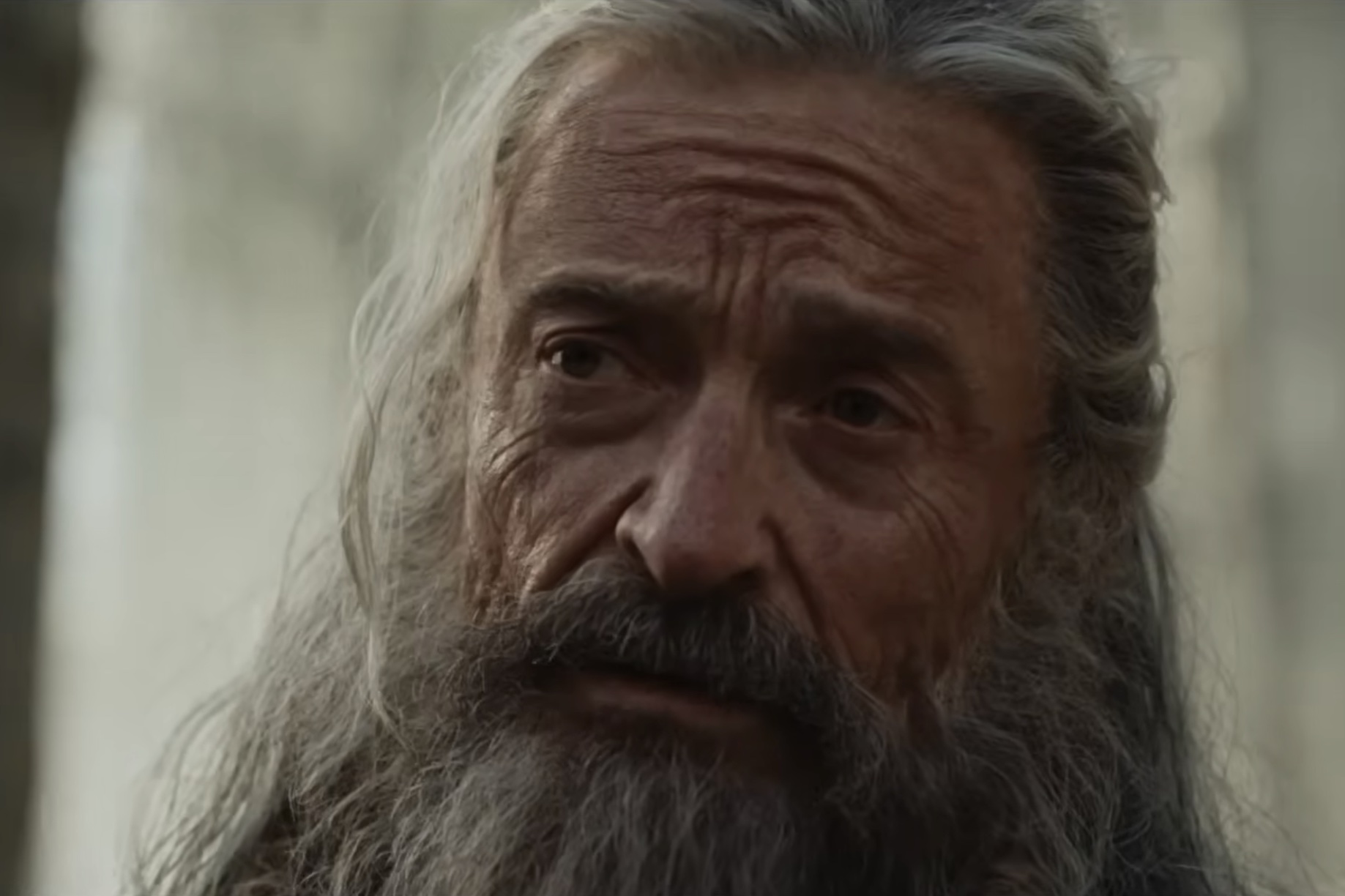
What Sarnoski is interested in is not the legend. He is interested in the man underneath the legend, which turns out to be considerably less romantic. Hugh Jackman plays Robin Hood as a man at the end of everything — a figure of historical violence who has been operating outside the law for so long that he has lost the ability to distinguish between justified brutality and simple brutality. He is not stealing from the rich to give to the poor. He is surviving. He is a man who is very good at killing and has been doing it for so long that he has confused the skill for the purpose.
The film opens with a set piece of medieval violence that immediately establishes what kind of film this is going to be. It is not glamorous. It is not exciting in the way blockbuster violence is exciting. It is just deeply unpleasant, the way actual violence is deeply unpleasant, and Jackman moves through it with a weariness that tells you everything you need to know about where this man is in his life. He does not want to be here. He does not want to keep doing this. He is not going to stop.
After this opening the film shifts into something much quieter and much more interesting. Robin finds himself under the care of a prioress named Sister Brigid, played by Jodie Comer, on a small island that functions as either a monastery or a purgatory depending on how you look at it. And Comer — who I have long believed to be one of the most interesting actresses working right now — does something remarkable here. She plays a woman of genuine faith without a trace of naivety, a person whose optimism is not innocence but a considered philosophical position in the face of everything the world has shown her. The dynamic between her character and Jackman’s is the heart of the film, and it is handled with a patience and intelligence that reminded me more than once of the Pig dynamic, where the real subject is never the one the film appears to be about.
I want to be careful not to oversell this. Yes it has amazing actors, amazing set pieces, and amazing direction. But still, even so, it’s a real dark horse. The film has real limitations. Some critics found it too austere, too remote, too unwilling to let us in. The Metacritic score of 63 reflects a genuine critical split between people who found it profound and people who found it merely somber. I get that, but if you are in the right mood, and you allow this to unspool in its own direction, and on its own terms, this film can really take you places. Yes, it can trudge… and slog its way through… but I really was in the mood for a period set piece with a realistic take on this myth. It just hit me perfectly I think.
So yeah, when it works it really works. Jackman is great in this role and the Northern Ireland landscapes Sarnoski shoots in are so beautiful and so bleak simultaneously that they function almost as a third character. The film’s final act earns its emotional weight in a way I did not expect, and the ending has stayed with me in the way that only genuinely considered filmmaking stays with you.
This is not a film for everyone. But if you are here on Taylorholmes.com – you know I roll significantly differently than most other film reviewers. It is paced like a medieval ballad and it demands the same kind of attention a medieval ballad demands. Don’t second screen this one… just let it unfurl on a slow day, and let it announce itself unencumbered. So yeah – if you have any patience at all for quiet character studies dressed in period clothing, if Pig did anything for you, if you are tired of Robin Hood being a vehicle for swashbuckling entertainment and want to see what the legend actually costs the man carrying it — this is your film.