
You can watch two movies in the same week – same runtime, same couch, same snack, and have totally different takeaways. One fades almost immediately, while the other pops back into your head later: during a commute, on a quiet evening, or when a song reminds you of a scene.
That difference isn’t only about “taste.” A lot of it comes down to memory and attention. Films that stay with us usually do two things well: they create a clear emotional response, and they shape that response with craft – strong scenes, smart pacing, and details your brain can easily store and retrieve.
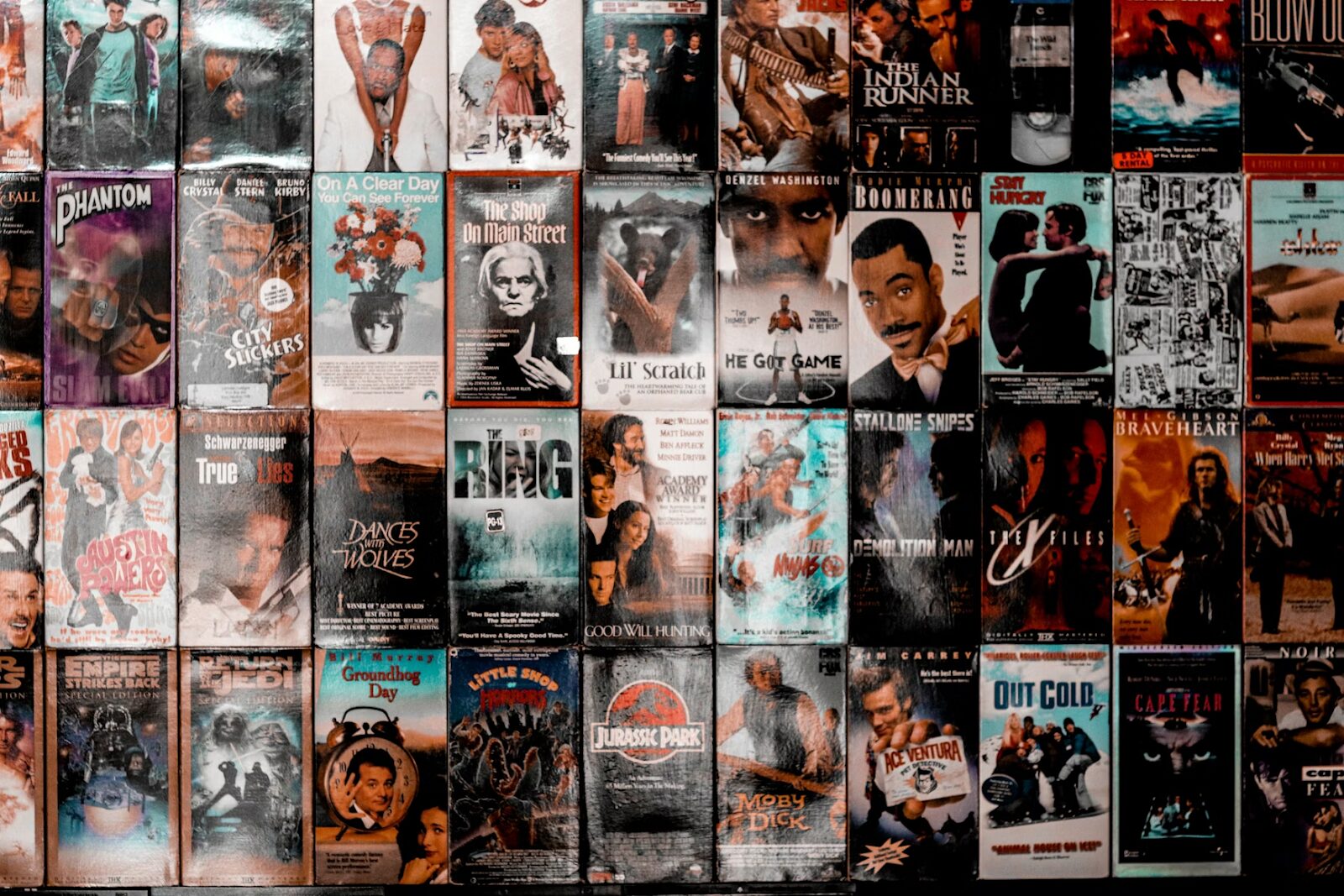
Emotion makes memory more adhesive
Psychology has been blunt about this for years: emotionally charged experiences are more likely to be remembered than neutral ones. It’s not magic; it’s how attention and encoding work when your body is awake to the moment.
Movies don’t need to be “sad” to be emotional. Awe counts. Tension counts. Relief counts. Even laughter counts, especially when it arrives after real suspense.
The point is intensity. The brain notices what feels urgent.
Your brain judges a film by a few moments, not the whole runtime
People like to believe they remember an experience as a total. But a lot of evaluation is compressed into highlights: the peak, and the ending. That idea – often discussed as the peak-end rule – shows up across research on how we summarize experiences after they’re over.
In movie terms: a film can be uneven, but if it lands one unforgettable sequence and closes with the right emotional temperature, it can win the memory war.
That’s why “good ending” isn’t a polite compliment. It’s a cognitive advantage.
Craft choices that turn scenes into souvenirs
Sticking power is rarely accidental. Common devices include:
- A clean sensory signature: a piece of music, a color palette, a repeated sound
- A moral knot: a choice you can’t easily label as right or wrong
- A time stamp: a moment that mirrors real life – first love, grief, embarrassment, pride
- A visual metaphor: the image does the explaining so your brain doesn’t have to
Here’s a simple way to see it:
| Craft move | What it triggers | Why it lingers |
| Repeated motif (song/object) | Instant recall | Your brain loves retrieval cues |
| Long tension sequence | Body arousal | You remember how you felt |
| Hard cut after a reveal | Surprise | Memory spikes at disruption |
| Quiet final image | Meaning-making | Your mind keeps “finishing” it |
Sports fans understand this better than anyone
Ask someone about a classic match and they won’t recite the full game. They’ll give you three moments: the turning point, the ridiculous mistake, the last whistle.
That’s peak-end memory in street language.
Cinema works the same way. A film that respects those moments – and knows when to stay quiet – gets remembered.
The casino parallel: why “near wins” feel loud in the brain
Movies aren’t the only place where peaks shape memory. Casino design has its own version: near-misses and reward uncertainty can intensify attention and motivation, even when the outcome is objectively a loss. Research reviews and experimental work have examined how near-miss events can influence persistence and emotional response in gambling contexts.
That’s one reason slot sessions can feel oddly vivid afterward: the experience is built from micro-peaks – small jolts, fast feedback, “almost” outcomes – which the brain treats as important signals. On an online slot casino, the menu of games, features, and rapid spins can amplify that sense of moment-to-moment intensity, so it’s worth approaching it the way you’d approach a film that hits hard: with awareness of how your attention is being guided. If you want the entertainment without the fog, the practical move is to set a time boundary first and treat each session as a contained experience, not an open-ended chase.
So why do some films vanish?
Because nothing “tags” them. No emotional spike. No clean cue. No ending that resolves or deliberately unsettles. They may be competent, even pretty – but memory doesn’t reward competence. It rewards impact plus structure.
Takeaway (do this now)
- After your next movie, write down three moments you remember without thinking – that’s the film’s real footprint.
- If you’re trying to make something memorable (a story, a presentation), design the peak and the ending on purpose.
- If you want to forget something, reduce replays: don’t loop the scene, don’t feed the cue.