
What makes a great player on screen? Sometimes it is the ability to read an opponent. Sometimes it is mathematics. Sometimes the real skill lies in controlling the room before the cards are dealt. The best gambling movies understand that winning is rarely about luck alone.
Their smartest characters approach risk from different angles. Probability, psychology, preparation, and game mechanics all shape their decisions. Before making any move, a smart player looks at the rules and conditions, whether that means studying a poker table or checking the details of a social casino sign up bonus. Cinema turns those ideas into stories where one mistake can change everything.
Mike McDermott Understands the Opponent
Matt Damon’s Mike McDermott in Rounders is the purest poker strategist here. After losing a huge pot, he promises to leave poker behind. His friend Worm eventually pulls him back into the underground game. Miramax lists Rounders as a 1997 release, although it is often associated with its 1998 U.S. theatrical release.
Mike knows poker is a game of incomplete information. He watches how opponents bet and react under pressure. His approach relies on:
- Betting patterns: changes in wager size and timing.
- Physical tells: behavioral clues that may reveal confidence or uncertainty.
- Adaptation: changing strategy when an opponent’s habits become clear.
Against Teddy KGB, Mike treats behavior as information. In 2025, four-time World Poker Tour champion Darren Elias rated their final confrontation 8/10 for realism, with his main criticism concerning bet sizing.
Mike’s edge is adaptation.
Ben Campbell Turns Probability Into an Advantage
In 21, Jim Sturgess plays Ben Campbell, an MIT student recruited into a card-counting team. Sony describes the 2008 film as inspired by real MIT students who used card counting in Las Vegas.
Card counting does not predict the next card. It tracks the balance of cards remaining in a blackjack shoe and helps identify more favorable betting conditions.
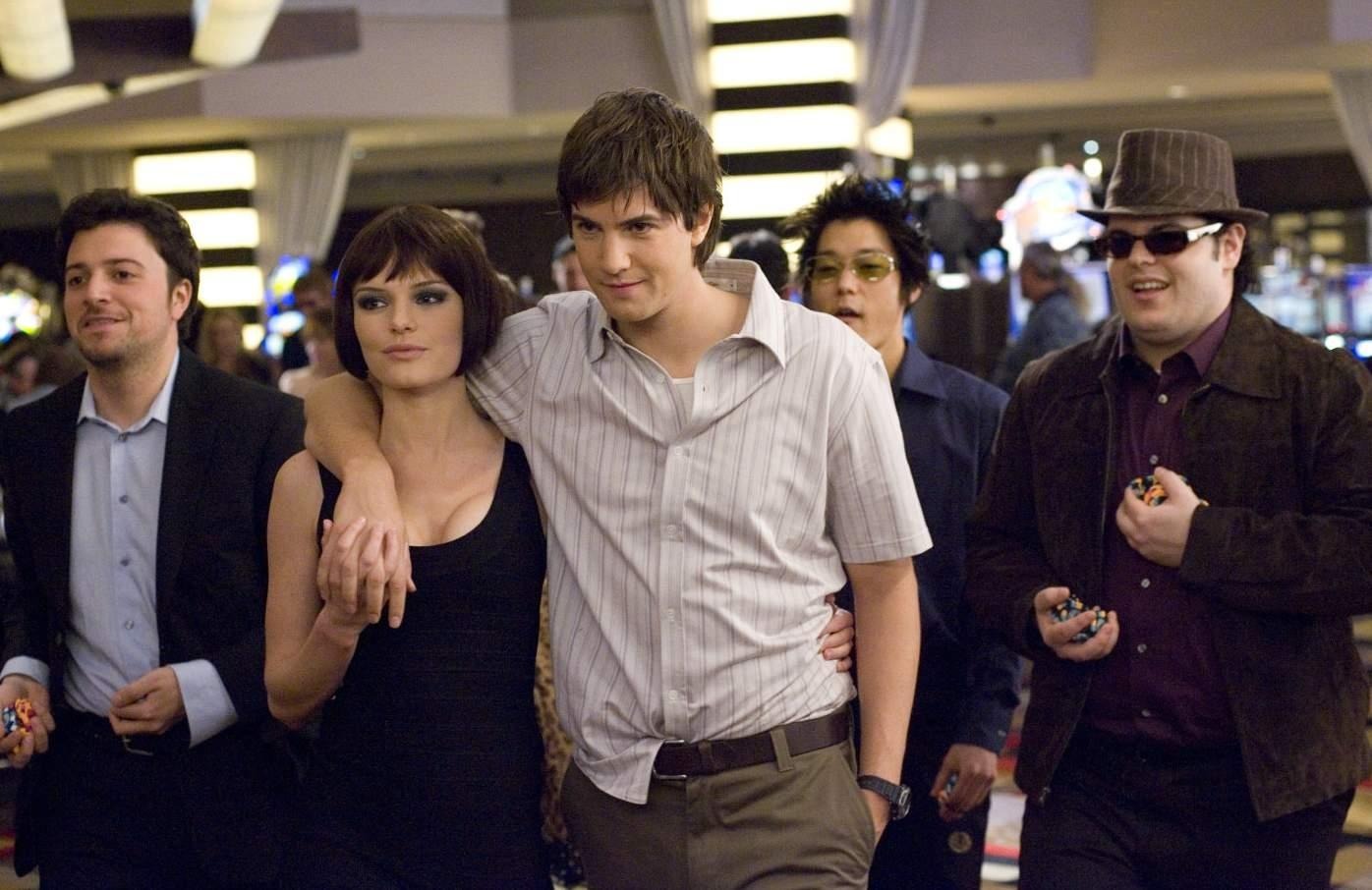
The film takes liberties with the real story. Jeff Ma, a member of the actual MIT blackjack team, inspired Ben Campbell, while the movie added fictional relationships and conflicts.
Ben’s advantage comes from numbers. He represents the idea that probability can turn chance into calculated decisions.
Molly Bloom Controls the Room
Jessica Chastain’s Molly Bloom demonstrates another kind of intelligence. She does not become successful by winning poker hands. She builds a business around exclusive high-stakes games.
Molly’s Game is based on the real Molly Bloom, who ran a major poker operation for celebrities, athletes, and business figures. Its official synopsis states that 17 FBI agents eventually arrested her.
Molly’s advantage is social intelligence. She understands what players want and how money, status, competition, and trust shape the room.
Darren Elias gave the film’s poker scenes 9/10 for realism, higher than Rounders.
Molly does not control the cards. She controls the environment around them.
Danny Ocean Builds the Game Before It Starts
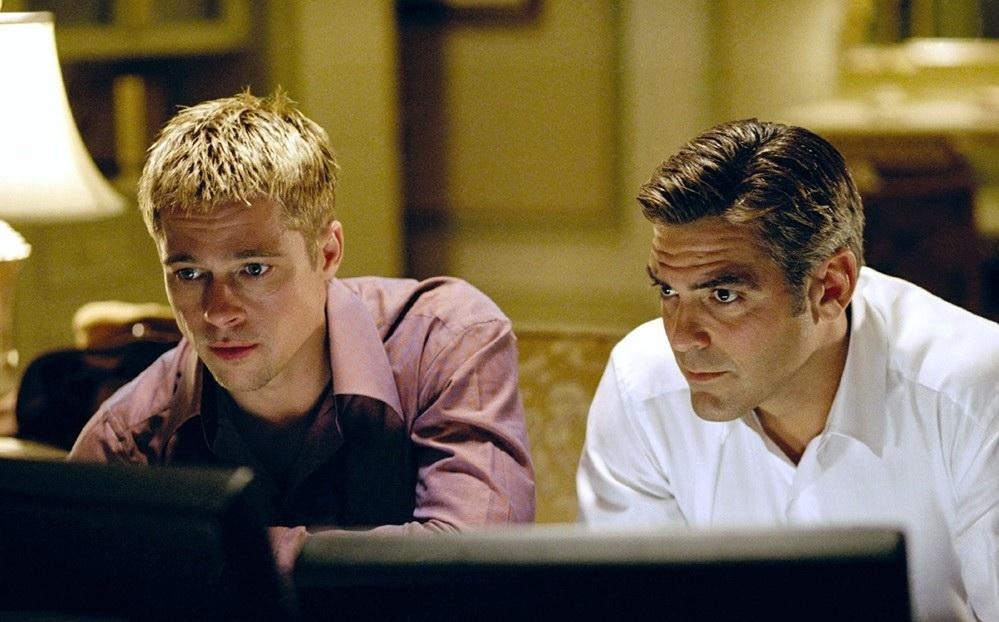
Danny Ocean from Ocean’s Eleven is not a professional gambler. He is a strategist who turns the casino into his playing field.
George Clooney’s character assembles specialists and assigns precise roles before attempting to rob three Las Vegas casinos. His operation depends on preparation, timing, misdirection, and knowledge of casino security.
His method is built around four steps:
- Study the system.
- Assign specialists specific roles.
- Prepare for complications.
- Control what the opponent sees.
Mike studies the opponent. Ben studies the numbers. Ocean studies the entire system.
The Sting Turns Deception Into Strategy
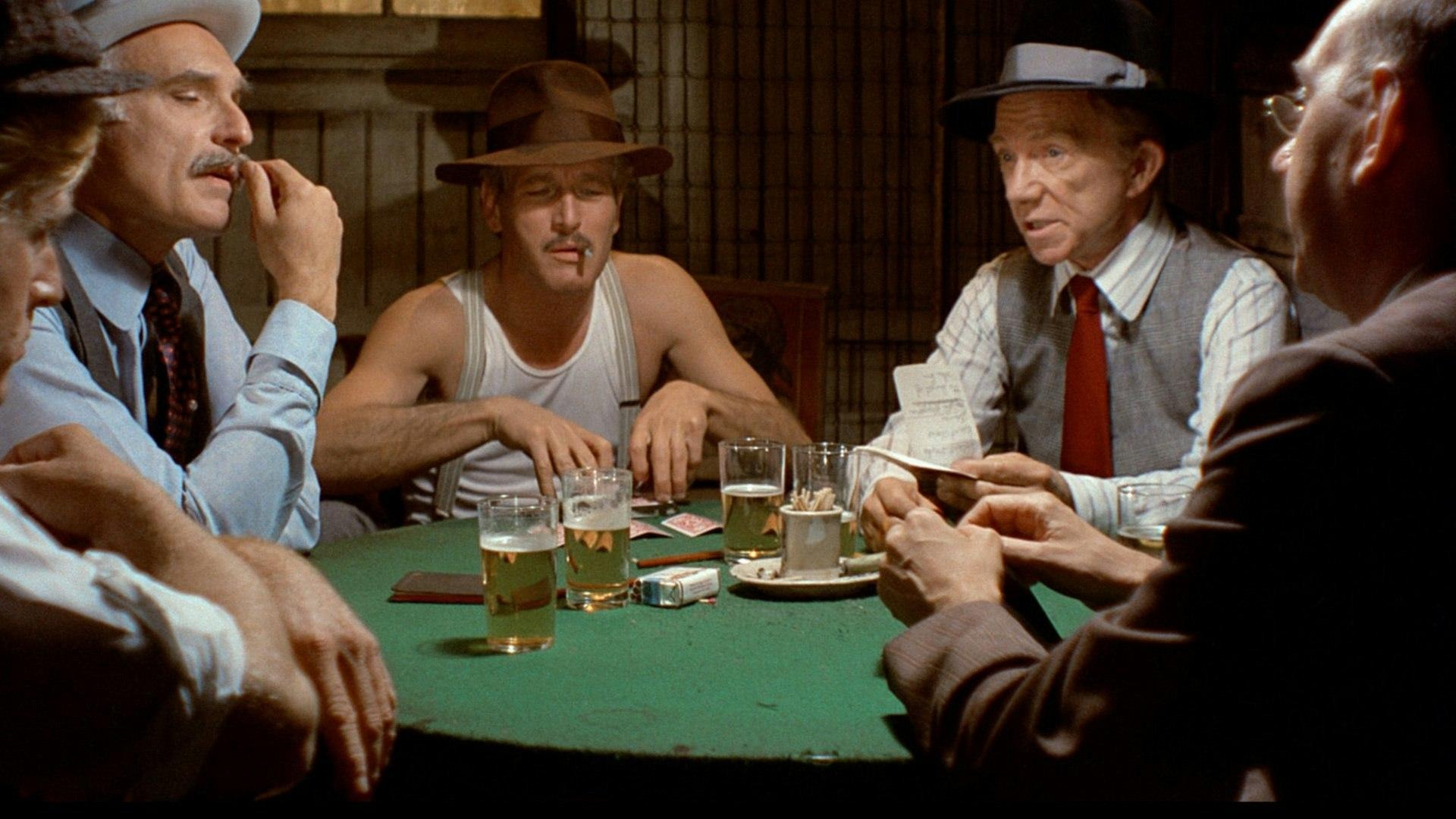
Henry Gondorff and Johnny Hooker in The Sting are con artists rather than conventional gamblers. Their target is crime boss Doyle Lonnegan, and their scheme depends on creating a false reality around him.
Lonnegan believes he understands the opportunity. In reality, every piece of information guides him toward the conclusion the conspirators want.
The game works because the victim thinks he is playing it.
Bond Looks Cool. The Cincinnati Kid Looks Real
James Bond brings discipline and composure to Casino Royale (2006), where he faces Le Chiffre in a famous high-stakes poker battle. Yet the scene is far from a perfect poker simulation.
Darren Elias gave it only 3/10 for realism, mainly because too many exceptionally strong hands appear during the game.
The Cincinnati Kid offers a more grounded alternative. Steve McQueen’s Eric Stoner faces Lancey Howard in a long five-card stud duel. The film shows that skill matters, while accepting that even a strong player can lose.
Skill can improve decisions. It cannot control every outcome.
The Game Beneath the Game
The smartest players in cinema rely on different advantages:
- Psychology: Mike reads the person across the table.
- Mathematics: Ben uses probability.
- Social intelligence: Molly understands the room.
- Strategy: Danny controls the system.
- Deception: Gondorff and Hooker control perception.
- Discipline: The strongest players know when an opportunity is no longer worth the risk.
That is what makes these characters memorable. They understand that the visible game is only part of the challenge.