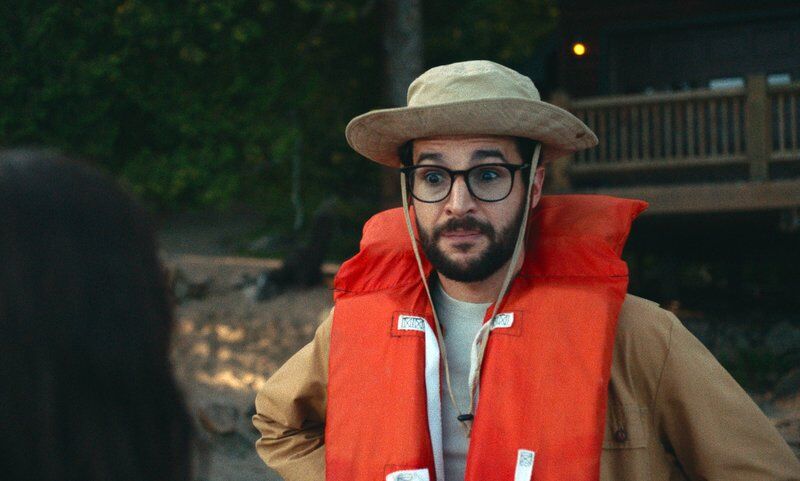
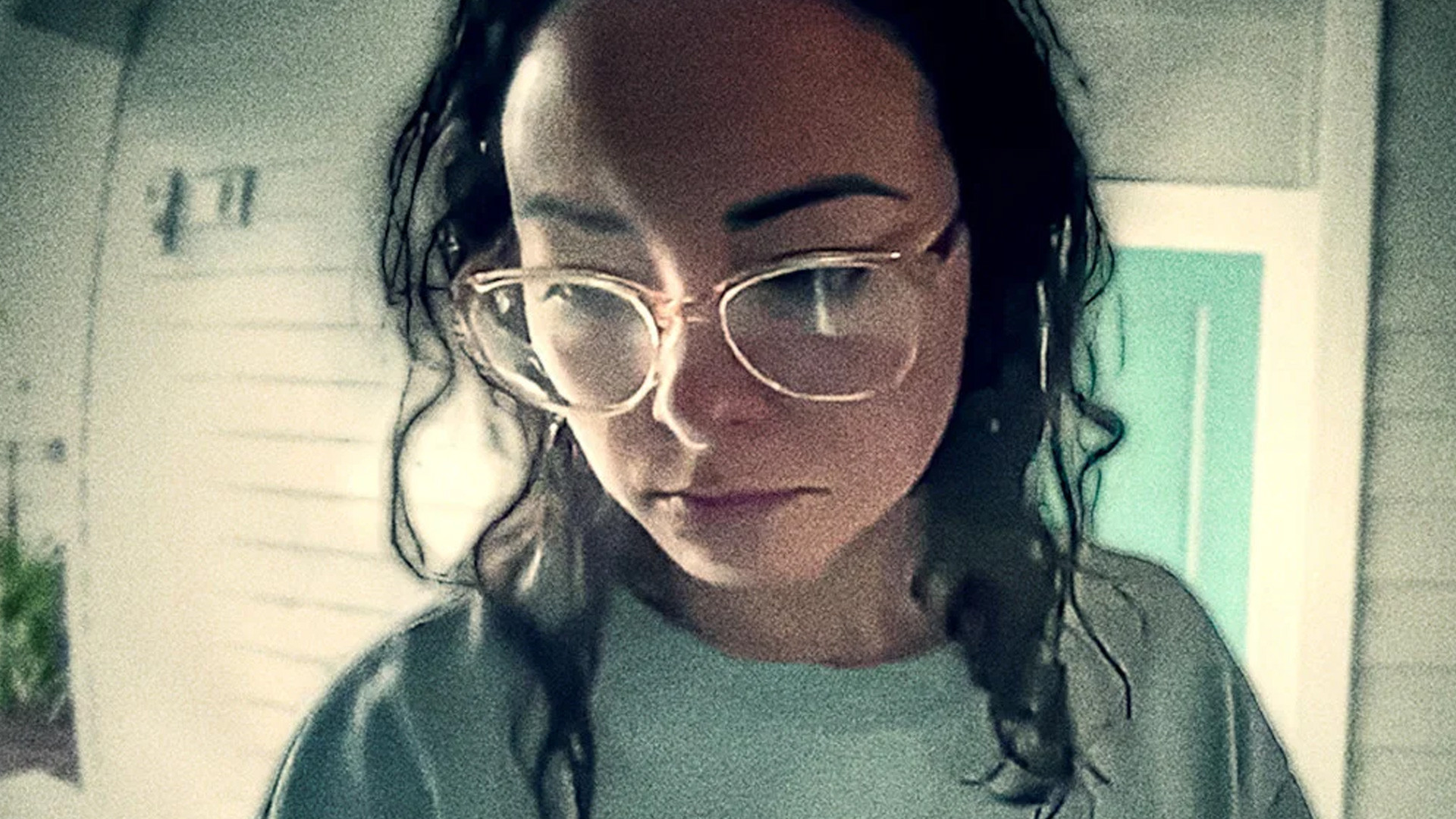
Okay so I finally sat down with Death of the Pastor’s Wife on Netflix and I need to process this one out loud because it’s been sitting on me for a couple days now.

For anyone who hasn’t seen it yet, this is the docuseries about Mica Miller, a worship leader at Solid Rock Church in Myrtle Beach who married her pastor, JP Miller, back in 2017. The relationship started as an affair while he was still married to someone else and she was working as his assistant, which the show lays out early and never lets you forget. From there it walks through years of what the documentary frames as coercive control, emotional, spiritual, financial, sexual, all of it, the kind of slow grinding abuse that doesn’t leave a mark you can point a camera at, which is exactly what makes it so hard to prove and so hard to watch. About a month before she died, Mica told police she was being stalked and that she was afraid for her life. She was found dead at a North Carolina state park in April 2024. She was thirty. Her death was ruled a suicide.
Three episodes, and it’s built almost entirely out of the kind of material that makes this genre so uncomfortably effective, police bodycam and recordings, text messages, home video, interviews with her family and friends. The editing does get a little tangled for me though, jumping backward into her teenage years at the church, then forward into court filings and present day interviews, then back again, and there were a couple points where I had to rewind because I lost the thread of when exactly something was happening. It’s not a dealbreaker, but it’s noticeable, especially because the story itself doesn’t need any extra complexity, it’s devastating enough laid out straight.
And that’s really the thing, the story is atrocious and riveting in equal measure, which is an uncomfortable combination to sit with for three hours. You’re watching a woman get systematically isolated and controlled by someone with a pulpit and a congregation behind him, and you already know how it ends before episode one is even finished, and it’s still somehow gripping the whole way through. That’s a real accomplishment from the directors, not sensationalizing something that would be so easy to sensationalize.
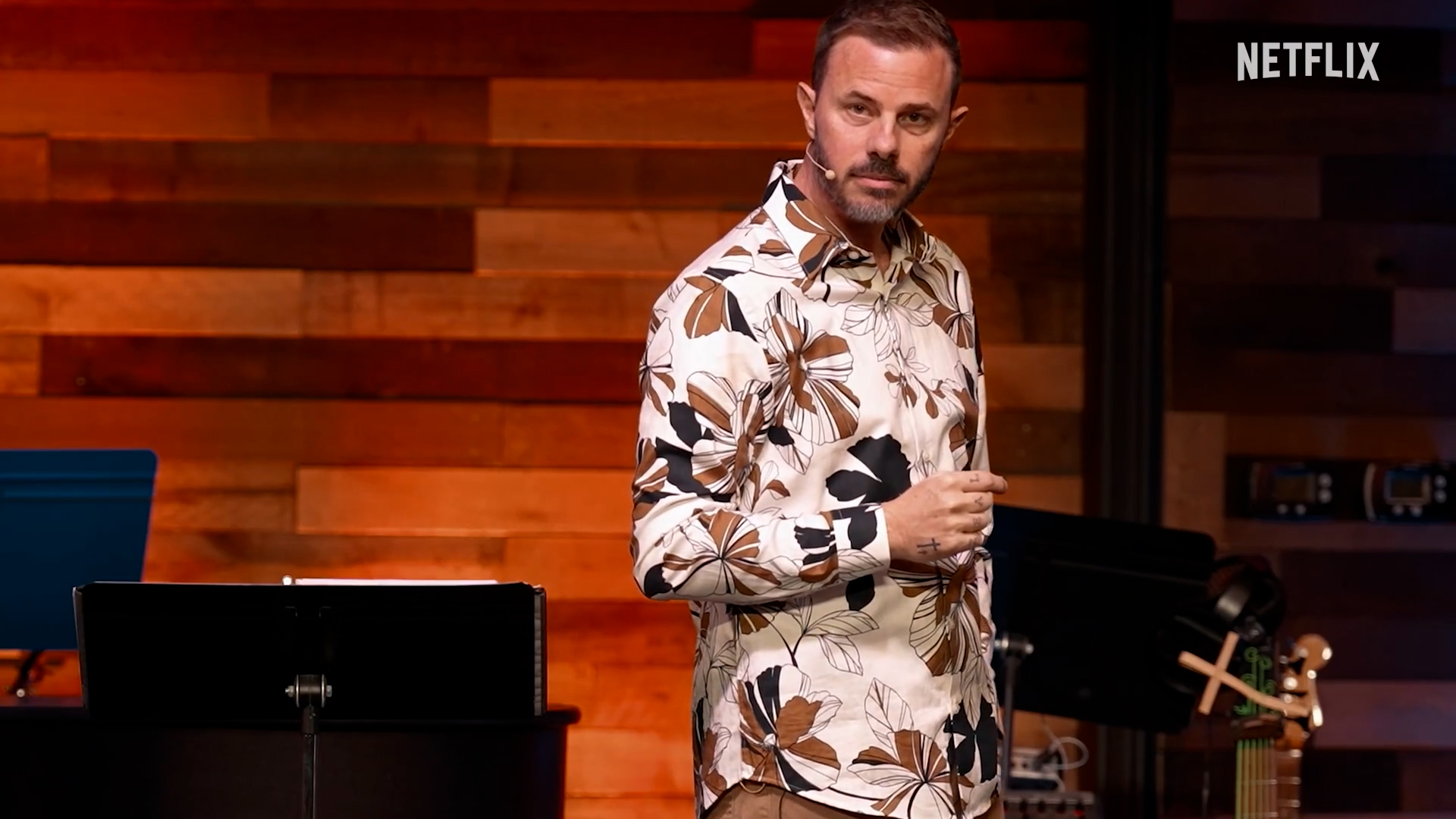
But here’s what actually wrecked me, and I think this is the part that’s going to stick with anyone who watches it. JP Miller had an alibi for the time of her death. She was never able to prove any of it in a courtroom while she was alive, and now that she’s gone, the official ruling is suicide, and nobody has been charged in connection with her death at all. He was indicted separately, federally, on cyberstalking and making false statements to investigators, and he’s pleaded not guilty with a trial set for later this year, but that’s not the same thing as accountability for what actually happened to her. The documentary makes its case pretty clearly that even if he never physically did anything to her that day at that park, he built the entire situation that put her there, psychologically behind the wheel even if his hands never touched anything. But building a case like that in a three episode Netflix series and getting an actual conviction are two very different things, and right now he’s still out there living his life while she isn’t. That’s infuriating in a way that doesn’t resolve by the credits, and I don’t think it’s supposed to.
I still think you should watch it. Not because it’s a fun watch, it’s not, but because it’s the kind of story that deserves an audience, and because her family is apparently working to get legislation passed in her name off the back of this case, which tells you they’re not done fighting even if the courts haven’t given them what they wanted yet. Just go in knowing you’re not getting a tidy ending. You’re getting a really well told, occasionally over structured account of a woman nobody protected in time, and a system that still hasn’t caught up to what happened to her.