
Competitive gaming now draws over 620 million viewers worldwide. That number alone should settle any argument about whether esports is “real.” But numbers rarely tell the full story. A handful of documentary films got there first, putting faces to the phenomenon before the mainstream caught up.
When a Game Becomes a Story Worth Telling
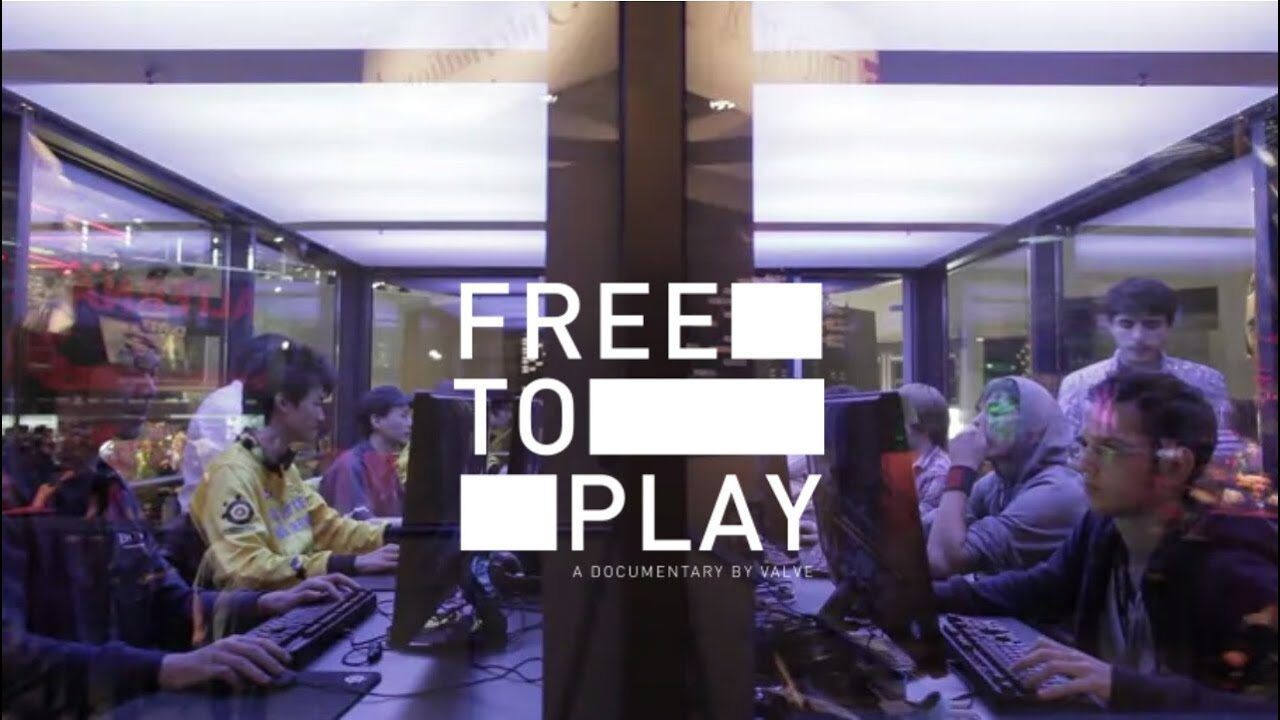
The first major signal that esports had outgrown basement culture arrived in 2014, when Valve released Free to Play. The film followed three professional Dota 2 players chasing a $1.6 million prize at The International 2011 in Cologne, Germany. At the time, that prize pool was the largest in esports history. The film didn’t treat its subjects as curiosities. It treated them as athletes under real pressure, with families who didn’t always understand, and careers that could evaporate after a single bad tournament. That’s where the anchor for a whole new genre got dropped.
The same period saw the digital economy around competitive gaming start to take shape in ways that mirrored the drama on screen. Audiences weren’t just watching; they were investing attention, identity, and increasingly, real money. Sweep slots online had begun to emerge as a crypto-native extension of that fan engagement, reflecting how closely the financial and cultural ecosystems of gaming had started to overlap.
Three things made Free to Play land the way it did:
- It came from the developer themselves, so access was genuine and unfiltered.
- The protagonists were from three different countries, which gave it global texture.
- It arrived at the precise moment when prize pools were scaling from novelty to life-changing.
The Craft Behind the Camera
All Work All Play (2015), directed by Patrick Creadon, took a different approach. Instead of following individual players across months of preparation, it embedded itself in the ESL’s Intel Extreme Masters circuit and tracked League of Legends teams through the competitive grind in Europe and North America. The film screened as a work-in-progress at the Tribeca Film Festival, which tells you something about how seriously the documentary world had started to take the subject. It eventually released in 1,200 theaters globally.
What Creadon captured was less the glamour and more the infrastructure: coaches, logistics, the pressure of performing in sold-out arenas. The 90-minute runtime moves fast, partly because the subject matter has a natural rhythm that editors don’t have to manufacture.
The films that work best in this genre share a few qualities:
- They follow people, not games. The controller is almost secondary.
- They find a tournament or moment that functions as a dramatic spine.
- They resist the urge to over-explain esports to skeptical outsiders.
Underdog Stories and What They Reveal
DRX: The Rise documents what happened at the League of Legends 2022 World Championship. DRX entered the tournament without serious expectations from anyone outside their own camp. They beat some of the best teams in the world and won. The story arc is so clean it would feel contrived in fiction. In documentary, that kind of narrative just happens, and the camera either catches it or it doesn’t.
The fact that these stories keep emerging from esports isn’t coincidental. The tournament formats, the high-stakes elimination brackets, the global reach, all of it creates conditions for genuine drama. Traditional sports figured that out decades ago. Filmmakers covering esports are arriving at the same conclusion, just later.
Valve’s True Sight series pushed the form further by focusing almost entirely on The International’s Grand Finals. No backstory, no buildup. Just two teams, the match itself, and footage from inside both team rooms simultaneously. The episode covering the 2018 final between OG and PSG.LGD is the closest esports filmmaking has come to a psychological thriller.
What the Audience Actually Wants
Here’s a question worth sitting with: why do people who have never watched a minute of Dota 2 find Free to Play genuinely moving?
The answer is probably that competition, sacrifice, and the gap between talent and success are universal. The specific game is almost irrelevant once you understand what’s at stake for the person holding the controller. State of Play, which examined South Korea’s Starcraft scene, worked for the same reason. The country had professional gaming leagues and dedicated arenas years before the West treated esports as anything other than a joke. The film functions as both a cultural document and a reminder that the “rise of esports” narrative had a much longer runway than most people realized.
Red Bull’s Memories of CS:GO took a retrospective angle, treating Counter-Strike: Global Offensive as a closed chapter in gaming history after CS2 arrived in September 2023. The production quality is, by most accounts, exceptional. It’s the kind of film that gets made when an industry is confident enough in its own legacy to look back at it.
The Genre Isn’t Done
Esports documentaries have moved from curiosity to a recognizable genre with its own conventions and audience expectations. The films that defined the format built their power from specificity: this player, this tournament, this moment. The ones that struggle tend to go wide too fast, treating “competitive gaming” as the subject rather than the people inside it.
That specificity is what connects esports filmmaking to documentary tradition more broadly. The best sports documentaries have always understood that what people want to watch is not a sport. It’s a story happening to have a sport in it.