
Before you read another word of this: if Backrooms is still playing near you, go see the Everything Must Go cut. And before that — if you somehow haven’t already — go watch Kane Parsons’ original Backrooms YouTube series from the beginning. Not a recap video, not a “best moments” compilation. The actual thing, on his channel. The feature is a genuinely great expansion of what he built, but it’s built on top of that nine-minute short and everything he made after it, and the movie hits different once you know where it came from.
Once you’ve done both of those, here’s where I’d recommend in this same vein. Not all of these are about liminal spaces specifically. What they share is a very particular flavor of dread: buildings, mazes, and rooms that are technically obeying the laws of physics but feel like they shouldn’t be, paired with the creeping suspicion that leaving is not going to be as simple as walking back out the way you came in.
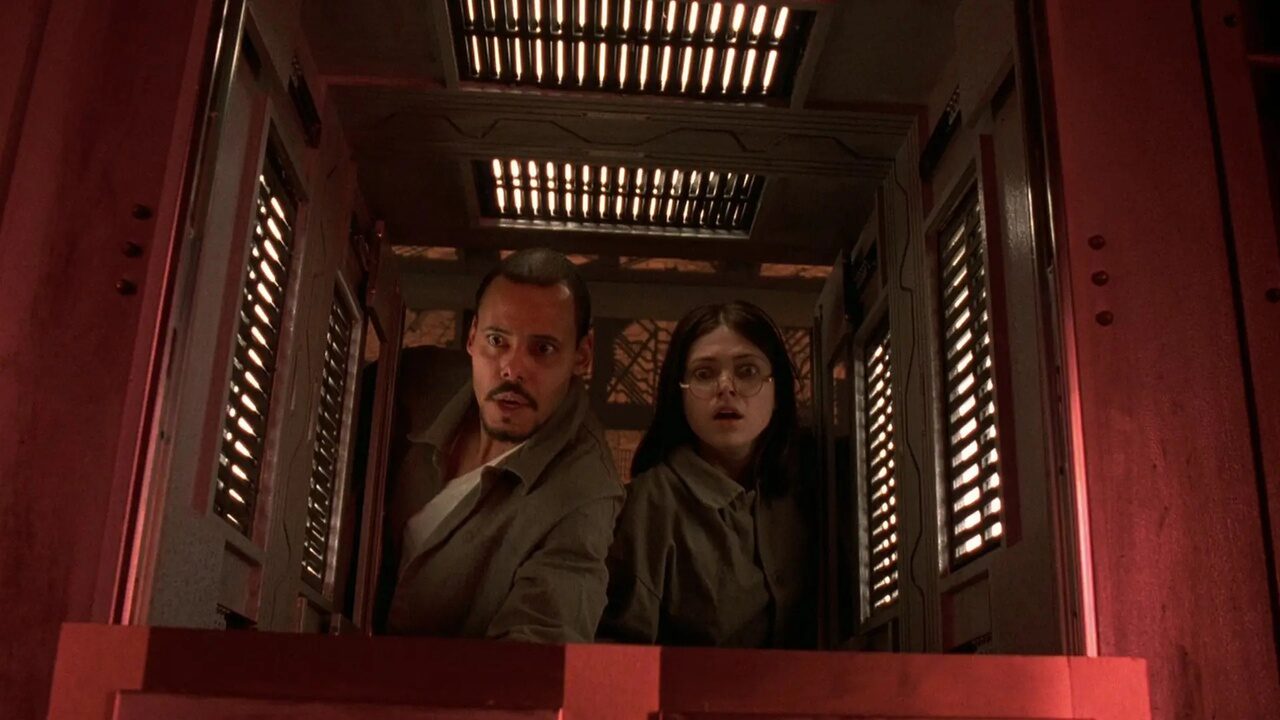
Cube (1997)
Six strangers wake up inside a structure made of identical cube-shaped rooms, each one either safe or rigged with a lethal trap, with no memory of how they got there and no idea how big the thing even is. This is basically the granddaddy of the whole subgenre — everything about the premise runs on the same engine as Backrooms: an environment that’s mundane and geometric on its face but hides violence and wrongness behind every identical door. The characters spend the entire runtime trying to map a space that refuses to be mapped, which is exactly the specific panic Parsons captured decades later with hallways that loop back on themselves. If Backrooms is the internet-native version of this idea, Cube is the original blueprint.
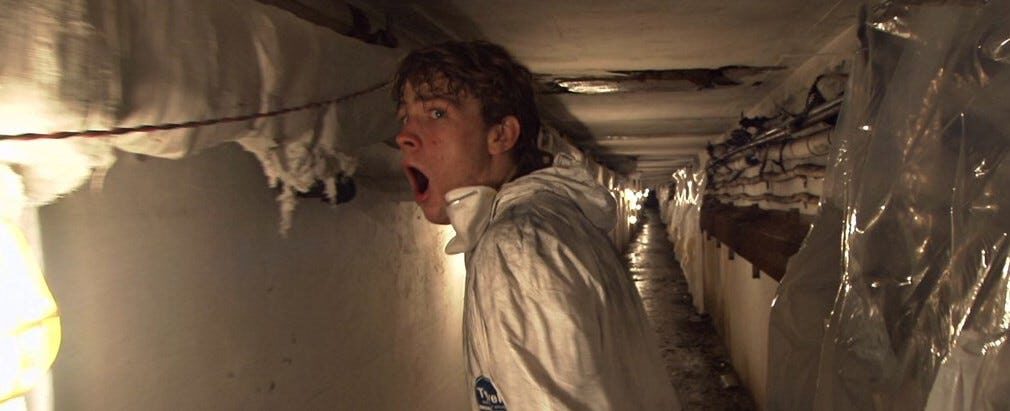
Session 9 (2001)
An asbestos-abatement crew takes a job clearing out the real, honest-to-god abandoned Danvers State Mental Hospital, and the building starts working on them before the asbestos does. There’s no supernatural monster chasing anyone — the horror is entirely in the architecture itself, endless identical wards and flickering lights and rooms that used to serve a purpose and now just sit there radiating wrongness. It’s the closest thing on this list to what Backrooms would feel like with the surreal impossibility stripped out, leaving just the dread of an institutional building that was clearly built by humans and very much isn’t for humans anymore. Watch it with the lights off.
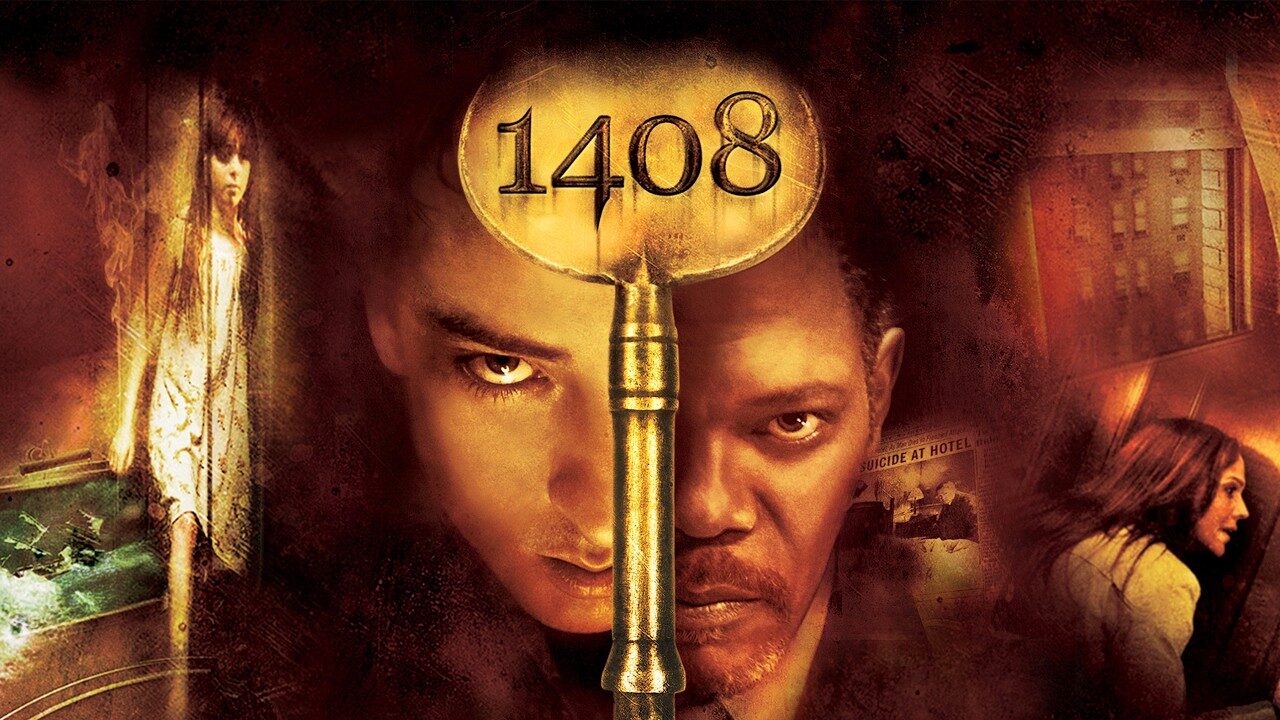
1408 (2007)
A professional skeptic who writes books debunking haunted hotels checks into the one room the Dolphin Hotel doesn’t want him in, and spends the rest of the movie discovering that 1408 doesn’t play by the rules of physics, time, or exits. The genius here is how much of the horror comes out of one small, completely ordinary-looking hotel room that keeps almost letting him leave — a window with the wrong view, a hallway that loops back to where he started, an hour that won’t end no matter how he counts it. It’s basically a Backrooms level with a minibar, and proof you don’t need infinite square footage to make “you cannot actually get out of here” feel unbearable.
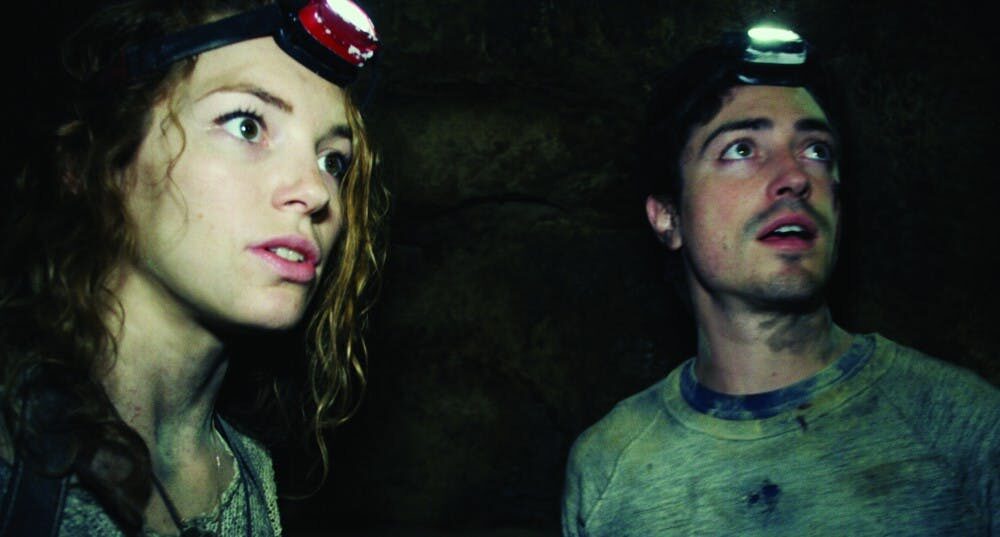
As Above, So Below (2014)
A team descends into the real Paris Catacombs hunting for the Philosopher’s Stone and instead finds a version of the tunnels that rearranges itself around their guilt — passages that shouldn’t exist, a pit that’s clearly deeper than the real catacombs, hallways that dead-end into memory. It’s shot found-footage style, which gives it the same shaky, someone-is-actually-filming-this quality that makes Backrooms feel so unnervingly plausible. Structurally it’s doing something similar to what Parsons does across his levels, too — the deeper they go, the less the space obeys any consistent internal logic, until finding the way out stops being a spatial problem and starts being a psychological one.
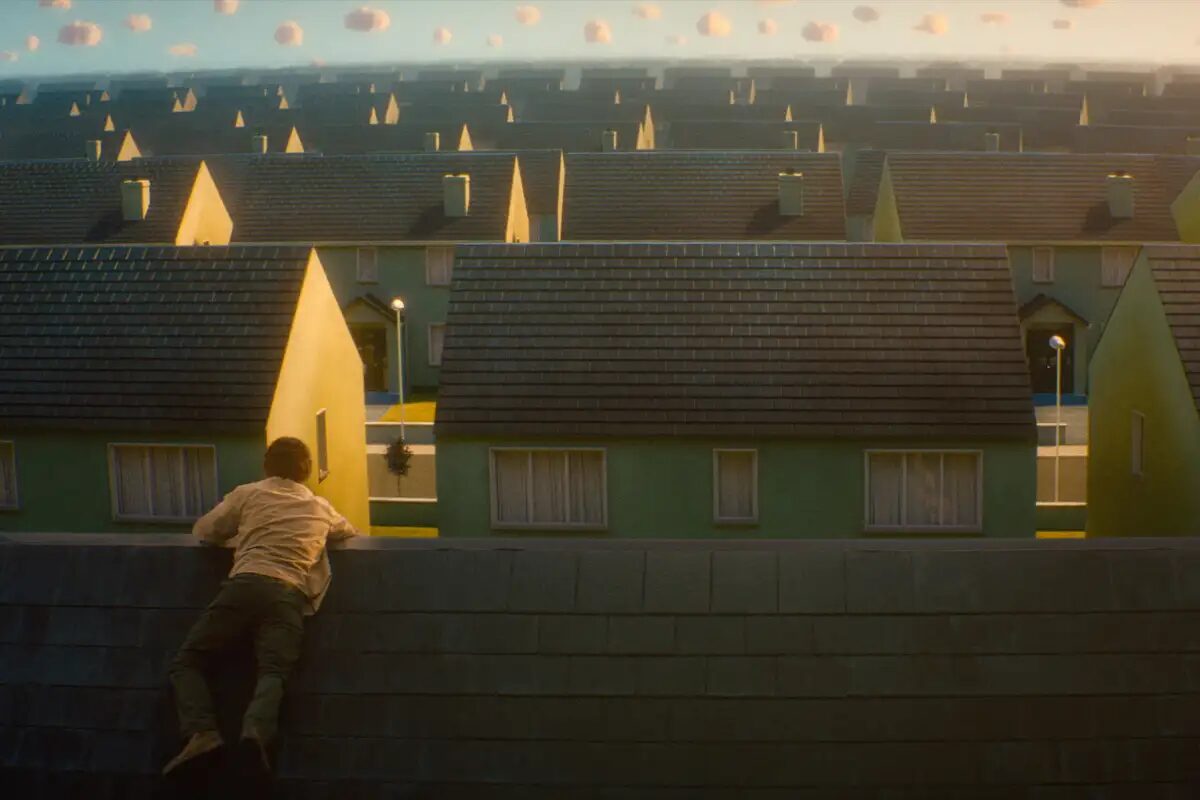
Vivarium (2019)
A young couple house-hunting for their first home get steered into a bizarre suburban development of identical houses on identical streets, and once they try to leave, they discover there’s nowhere to go — every road just loops back to the same house. Vivarium swaps the Backrooms’ yellow office carpet for cul-de-sacs and beige stucco, but the mechanism is identical: dread-filled architecture, mazes, being trapped with no way out. It’s one of the most direct “suburbia is its own liminal space” horror movies ever made, and it only gets more unsettling in hindsight.
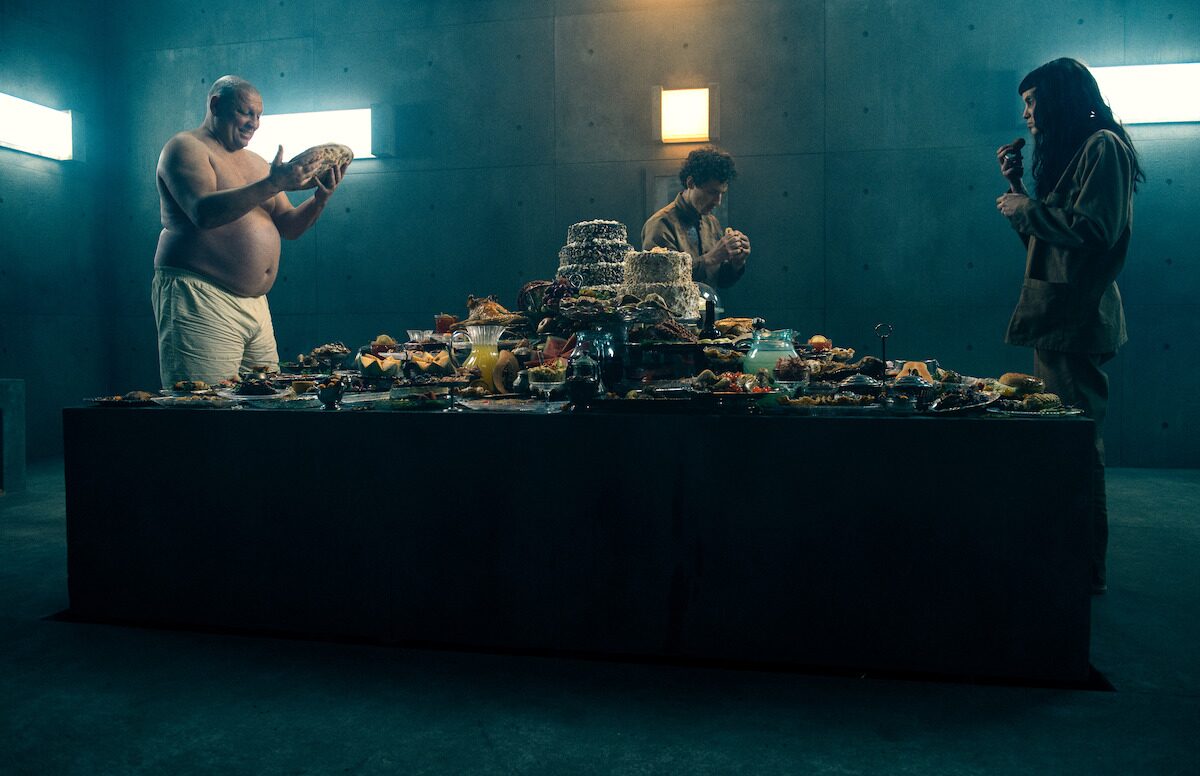
The Platform (2019)
Prisoners are stacked in a vertical tower, one per floor, with a platform of food descending level by level — plenty for the people near the top, nothing left by the time it reaches the bottom. It’s less about impossible geometry and more about what people do to each other once they’re trapped inside a structure with rules nobody designed for their benefit, which is a slightly different angle on the same core Backrooms fear: you didn’t choose to be here, nobody’s coming to explain the rules, and the space itself is actively working against you. Bleak, brutal, and a great companion piece if you want your liminal horror with real teeth.
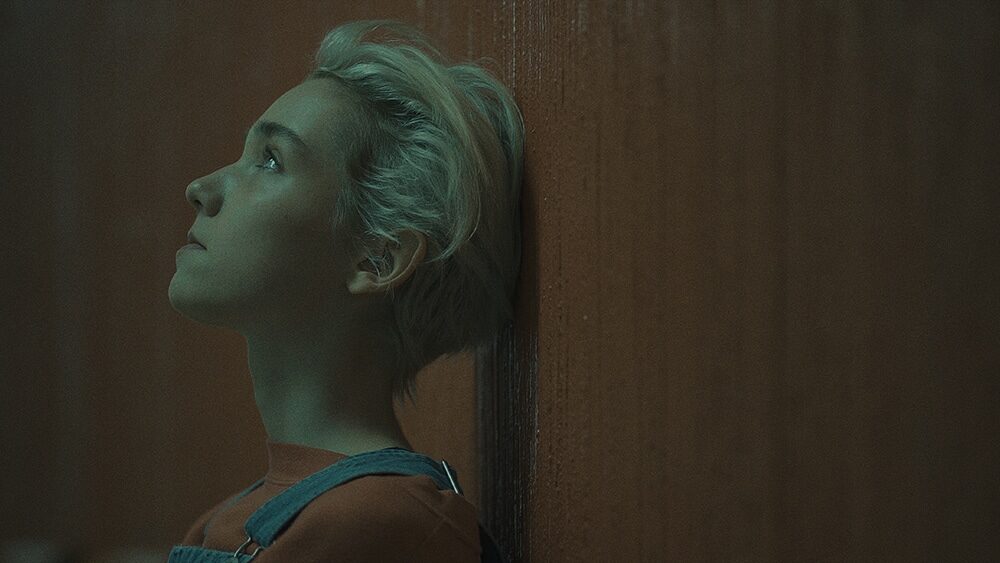
Come True (2020)
A runaway teenager signs up for what she thinks is a paid sleep study and instead gets pulled into a shared, silent liminal dreamscape — dark corridors, distant humanoid shapes standing perfectly still, the kind of quiet that feels louder than noise. This is probably the closest tonal match to Backrooms on the whole list. It’s not about running through a maze, it’s about the dead stillness of being somewhere you’re clearly not supposed to be, waiting for something to notice you’re there. The visual language is doing almost exactly what Parsons’ yellow hallways do — familiar shapes, wrong lighting, a space that feels like it’s watching back.
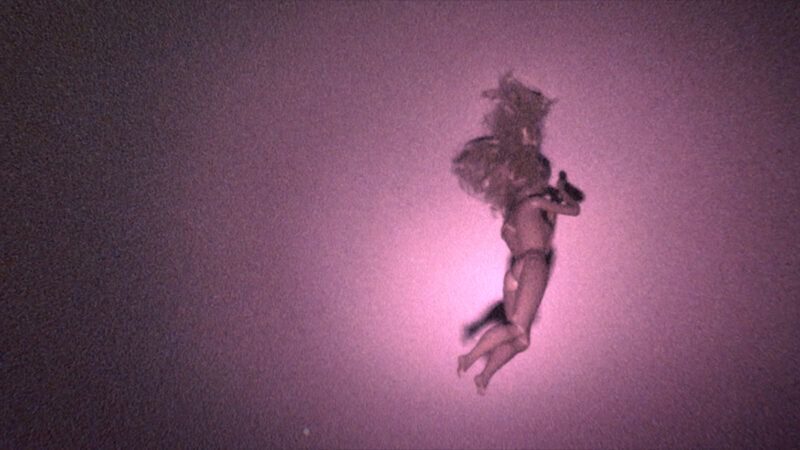
Skinamarink (2022)
Two young kids wake up in the middle of the night to find the doors and windows in their house have vanished, and the film spends its entire runtime shot from floor level and doorway angles, refusing to show faces, refusing to explain anything. It’s the most extreme version of liminal dread on this list — barely any plot, almost no dialogue, just the specific childhood terror of a familiar space going subtly, permanently wrong while you’re not looking directly at it. If Backrooms is about getting lost somewhere unfamiliar, Skinamarink is about your own house turning into one, which might honestly be scarier.
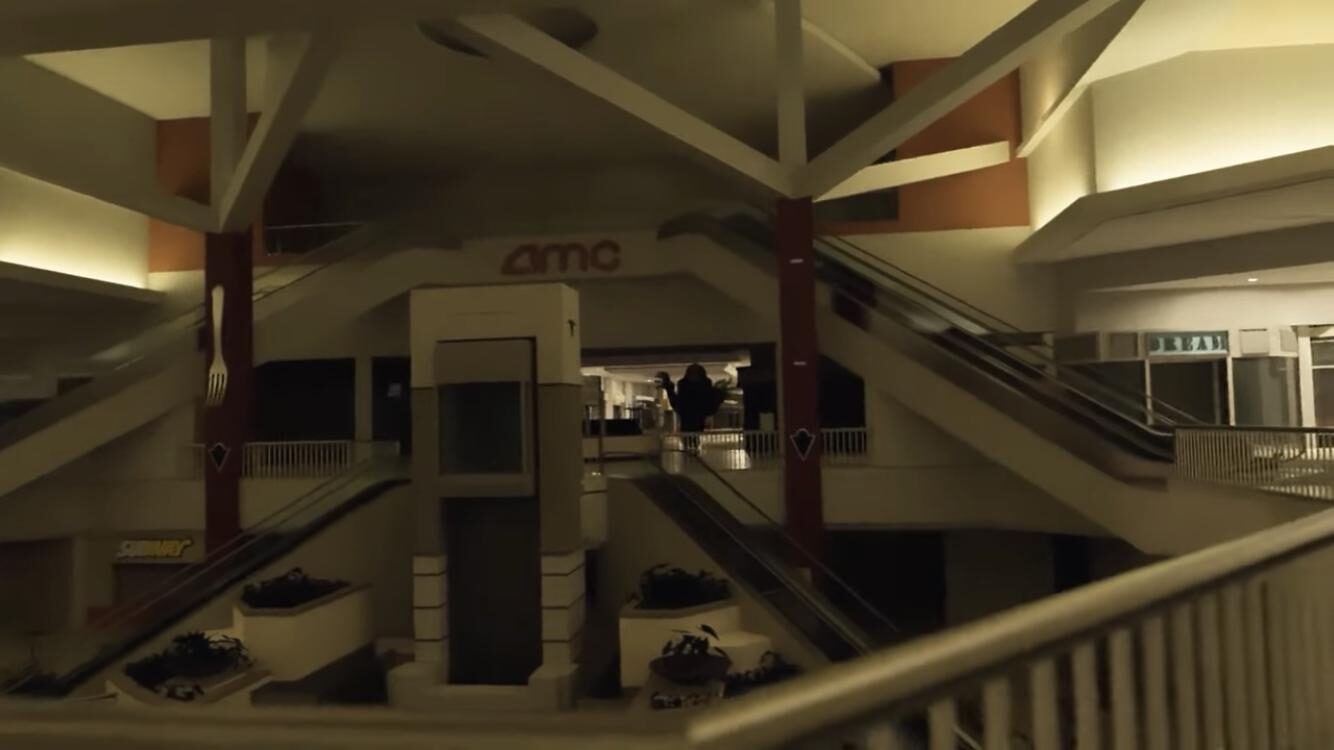
The Rolling Giant, from The Oldest View (Kane Parsons, YouTube, 2023)
Before A24 came calling, Parsons made a follow-up to Backrooms about an underground shopping mall — a real, since-demolished Dallas mall he rebuilt frame by frame — where a towering parade puppet slowly, silently starts hunting the guy filming it. It’s technically not a movie, it’s the third installment of his web series The Oldest View, but it’s essential viewing here specifically because Parsons made it, with the same tools, chasing the same specific dread of an abandoned consumer space that used to be full of people. A lot of longtime fans genuinely rate it above the original Backrooms shorts.
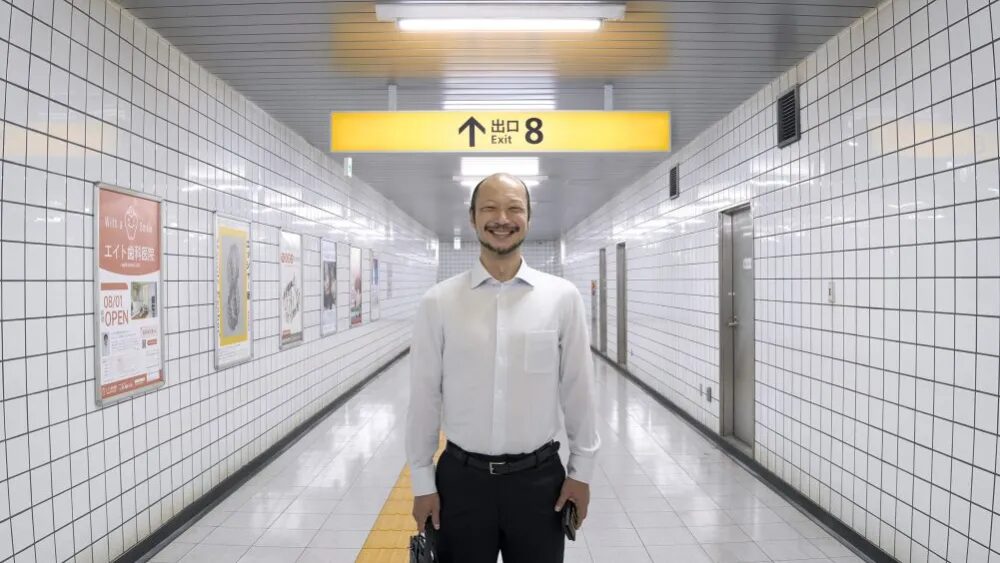
Exit 8 (2025)
Based on the viral walking-sim video game, a man gets stuck in an endless Japanese subway corridor that resets every time he passes an exit sign, forced to spot the “anomaly” in each loop or start over from the beginning. This is the most mechanically literal cousin to Backrooms on the list — the same core loop of an ordinary, mundane space that quietly refuses to let you leave, the same slow-building panic as the resets keep coming. If it was the “trapped in a repeating structure” mechanic that got you, more than the visual aesthetic, start here.
Bonus round, for the over achievers out there…
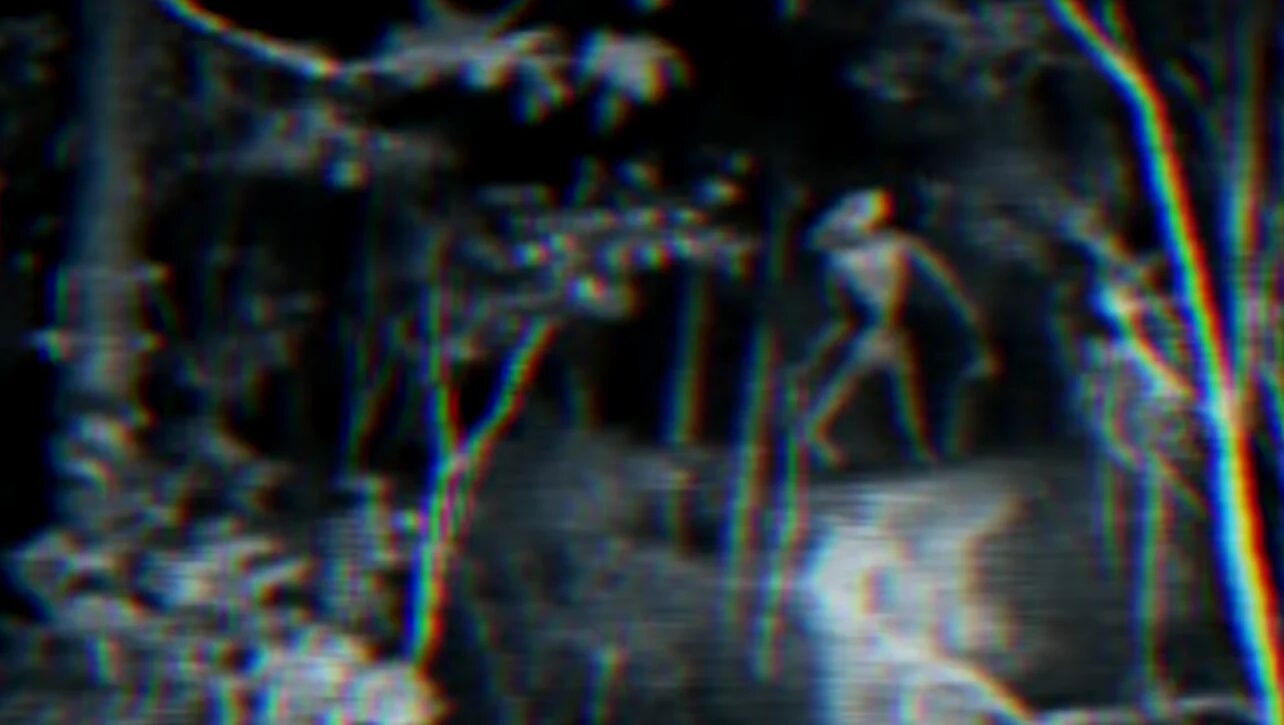
Local 58 (Kris Straub, YouTube) — A long-running anthology of fake emergency broadcast interruptions, moon-landing conspiracy footage, and one deeply disturbing “children’s program” that reprograms its viewers, all presented as found VHS transmissions from a fictional local TV station. This is the other foundational text of modern analog horror alongside Parsons’ work — basically required viewing if Backrooms got you curious where this whole genre came from.
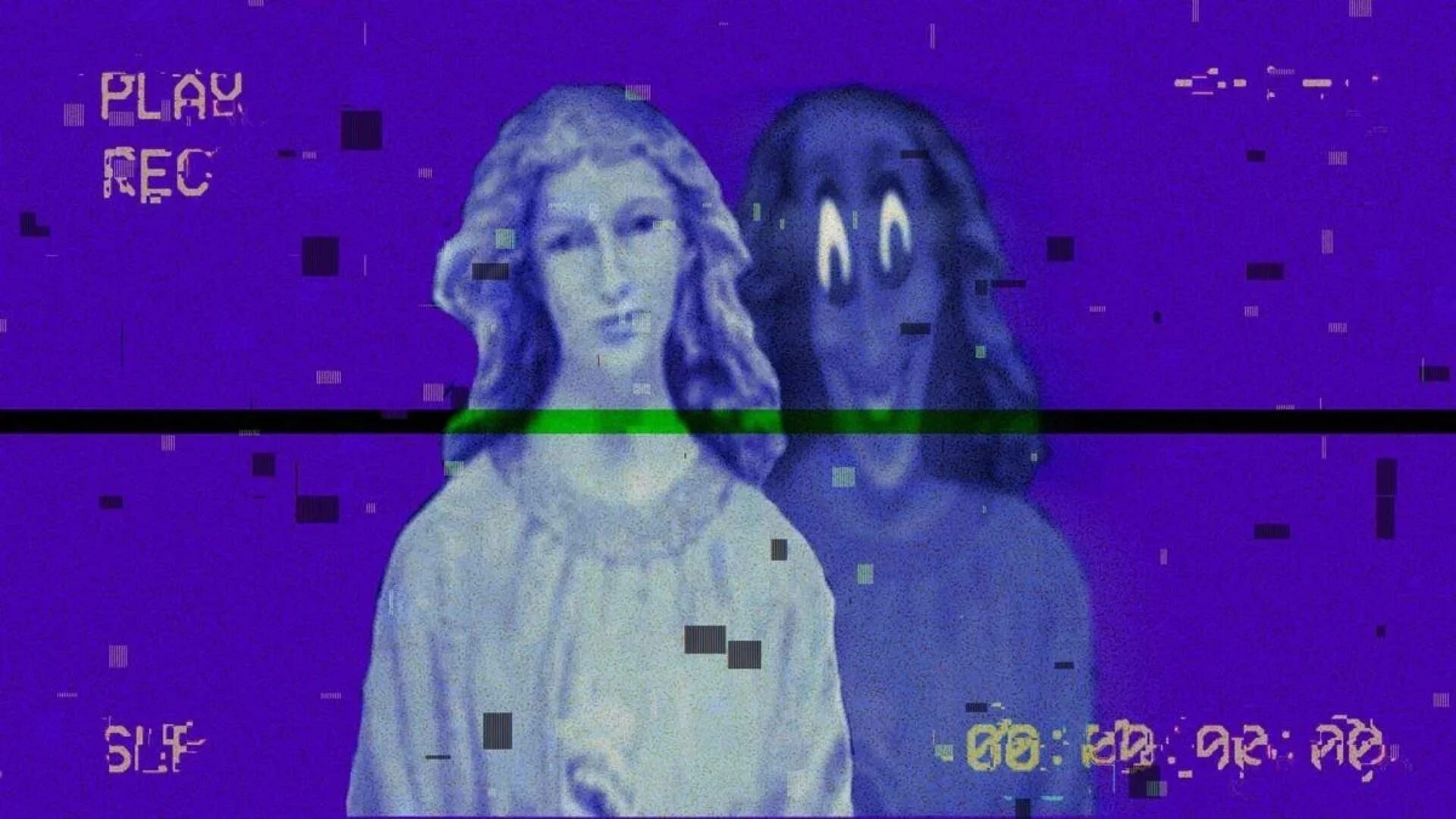
The Mandela Catalogue (Alex Kister, YouTube) — A sprawling, deeply lore-heavy web series about entities called “Alternates” that impersonate and replace the people close to you, told through fake public safety broadcasts and VHS-degraded footage. Less about physical spaces, more about identity and possession, but it comes from the exact same creator-driven YouTube horror lineage as Backrooms, with one of the most obsessive fan communities in the genre to show for it.
Alright, there you have it. Twelve recommendations. Hopefully there are several movies or ewtoob series videos that you haven’t heard of before that you can check out as we wait for Backrooms 2: The Leveling of Pirate Clark.