
Some movies are built to feel incomplete the first time. They hide key information in small reactions, repeated dialogue, editing choices, and background details that only become clear after the ending is known.
Film nights can feel more engaging with the right company. If you do not want to watch alone, finding a German mail-order bride can be a positive way to meet someone interested in sharing quiet evenings, stories, and personal moments. A second viewing works in a similar way because the experience becomes richer when attention is shared with new context.
Why Some Movies Need Another Viewing
Certain films are designed around missing information, limited viewpoints, or events shown out of order. A second watch helps the viewer connect details that were present from the start but hidden behind suspense, emotion, or misdirection.
Unreliable Perspectives
An unreliable perspective makes the audience trust a version of events that may be incomplete or false. Films such as Fight Club and Shutter Island use this method to make ordinary scenes feel different after the reveal.
Small clues often show that the story cannot be accepted at face value:
- Characters react strangely to the main person.
- Dialogue avoids direct answers.
- Visual details repeat in unusual ways.
- Key scenes leave out important context.
A second watch turns confusion into evidence. The viewer can see how the film controlled attention and used the main character’s limited knowledge to delay the truth.
Nonlinear Timelines
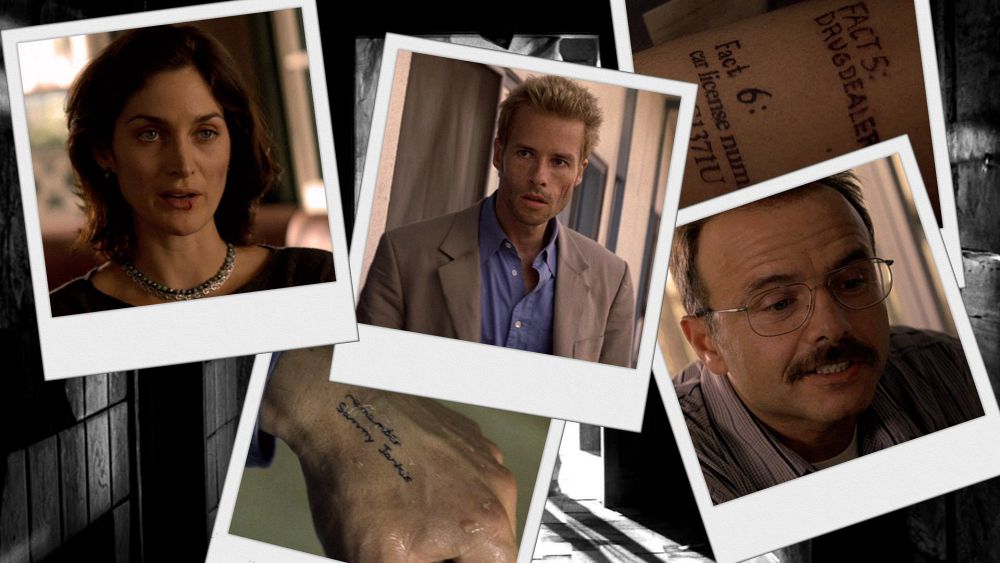
A nonlinear timeline presents scenes outside normal chronological order. Memento is one of the clearest examples because its structure reflects the main character’s short-term memory condition.
The first viewing can feel like solving a puzzle without all the pieces in place. The second viewing makes cause and effect clearer because the viewer already knows which events created later choices.
Hidden Character Motives
Some films become clearer when a character’s real goal is revealed near the end. The Prestige uses this approach through secrets, professional rivalry, and sacrifices that are easy to miss during the first watch. A repeated line or quiet decision can become important later. The second viewing helps the audience see how much planning was already visible before the final explanation.
Films That Reward Close Attention
Second-watch movies often work because their clues are fair. They do not depend only on surprise, since earlier scenes still make sense when the viewer returns to them with more information.
The Sixth Sense
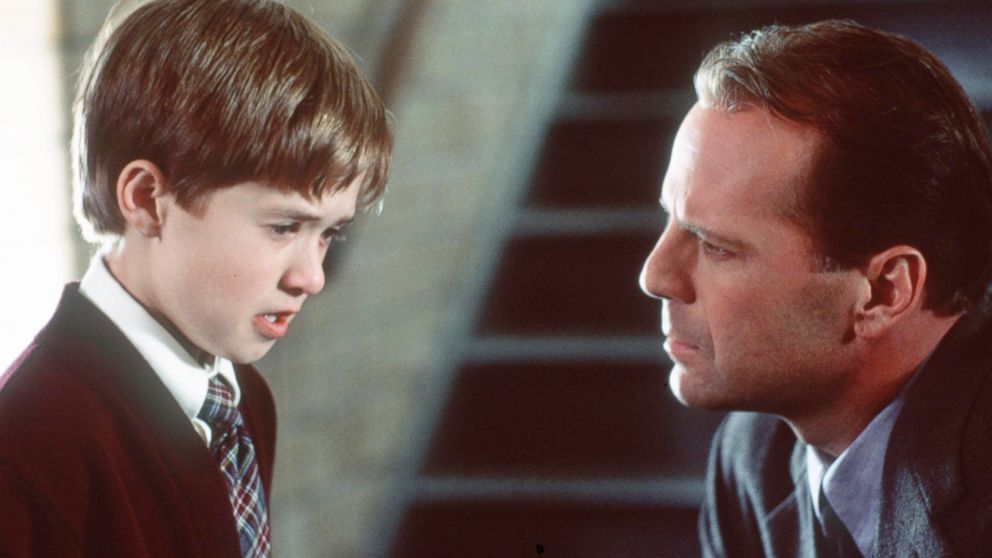
The Sixth Sense is one of the best-known examples of a movie that changes after the ending. The film carefully limits how characters interact, where they stand, and what they say around Malcolm.
The movie gives the audience several signals before the final reveal:
- Malcolm rarely speaks directly with other adults.
- His clothing connects to an earlier event.
- Cole’s fear explains his unusual behavior.
These clues are easy to overlook because the emotional focus stays on Cole. During a second watch, the film feels more controlled and precise because the ending explains the quiet gaps in earlier scenes.

Arrival
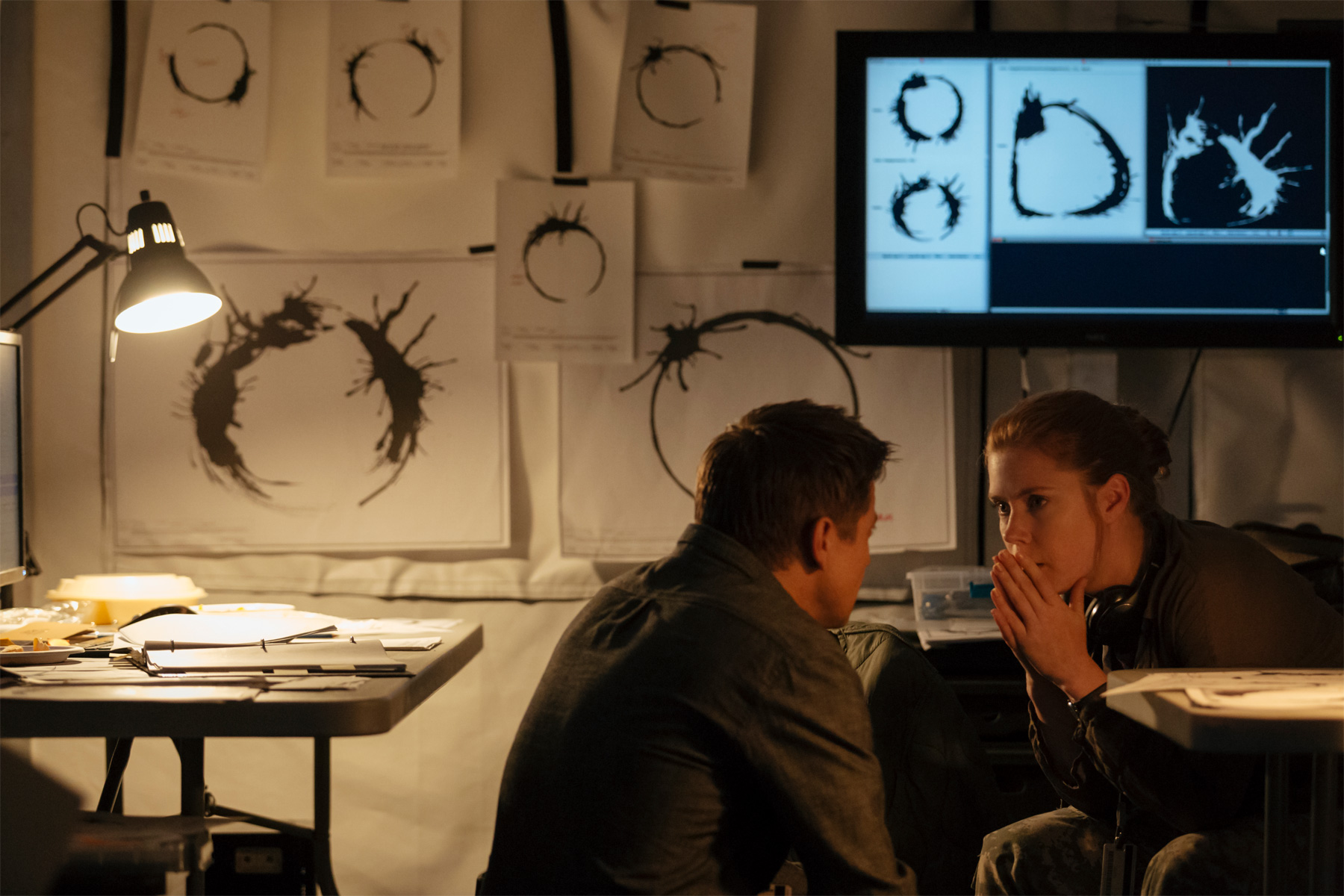
Arrival becomes clearer once the viewer knows how the alien language changes Louise’s experience of time. Scenes that seem like memories at first have a different meaning after the full structure is revealed.
The second viewing also gives more weight to Louise’s choices. The film is about communication, grief, free will, and acceptance, so the ending changes how every personal moment should be read.
Get Out
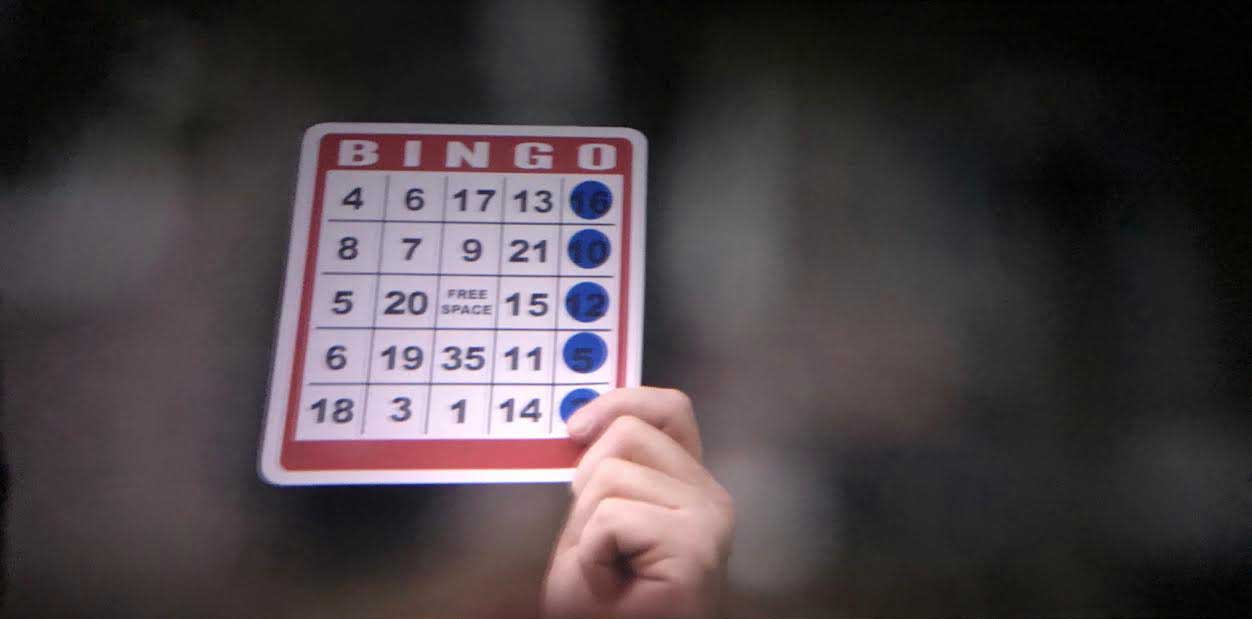
Get Out uses horror and social satire with many early clues hidden in polite conversations. The family’s comments seem awkward at first, then become disturbing once the real purpose behind them is known. A second watch makes the dialogue sharper. Comments about Chris’s body, talent, and background reveal the family’s intentions much earlier than the plot openly admits.
What to Notice the Second Time
A second viewing works best when the viewer pays attention to details outside the main action. Background objects, music cues, color choices, and character reactions can all show how the film prepared its final turn. Supporting characters are especially important. Their pauses, glances, and careful wording may reveal the truth before the main character understands it.
Repeated dialogue is also worth tracking because a simple line can gain a new meaning after the ending is known. Camera placement can matter as well, especially when a film hides who sees, hears, or controls the scene. Small editing choices, such as sudden cuts or missing reactions, may also signal that the story is withholding important information.
Why These Movies Stay Memorable
Movies that make more sense after a second watch respect the viewer’s attention. They reward patience because the story has structure, clues, and emotional meaning beyond the first surprise. The best examples offer a different experience each time. The first viewing creates curiosity, while the second shows how carefully the film built its mystery from the beginning.