
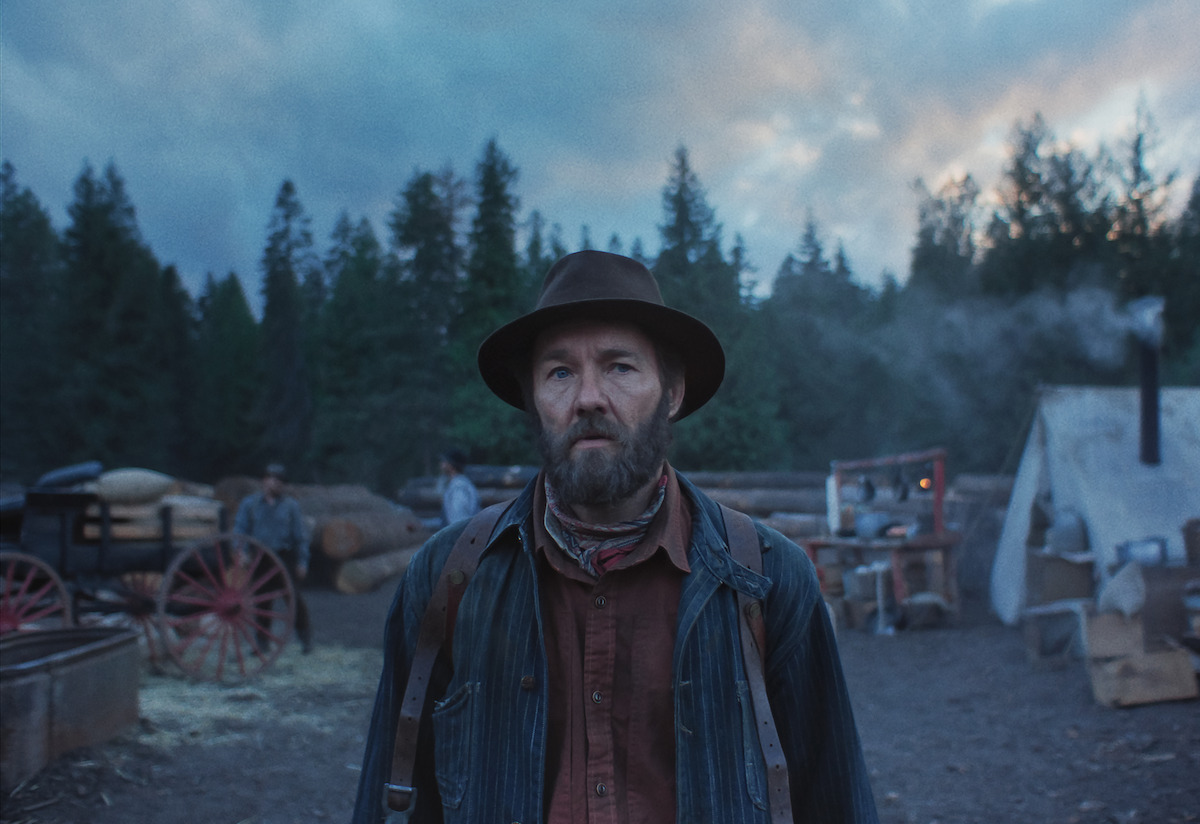
I am a little late to the party – but I just finished watching Train dreams and I am smitten. There are films that tell stories, and then there are films that create worlds you can literally breathe. Train Dreams (2023) belongs firmly in the latter category. Based on Denis Johnson’s novella, this quiet masterpiece follows Robert Gladd, a day laborer in the early 20th century American West, as he builds railroads, and ultimately just lives a life of profound solitude in the wilderness. You have to pick the sap out of your fingernails when you are done watching that movie it is so immersive.
What makes Train Dreams extraordinary isn’t its plot—it’s the way director Clint Bentley allows the camera to rest on wind moving through trees, on the textures of weathered hands, on the enormous silence of mountain landscapes. It’s a film about what remains when everything else is stripped away: the rhythms of work, the passage of seasons, the small dignities of survival. The cinematography is painterly, the pacing meditative, and the emotional resonance accumulates like snow on branches—quietly, steadily, until you’re moved in ways you can’t quite articulate.
If Train Dreams spoke to something in you—that hunger for cinema that trusts stillness, that finds profundity in the ordinary, that treats landscape as character—here are ten films that share its contemplative spirit.
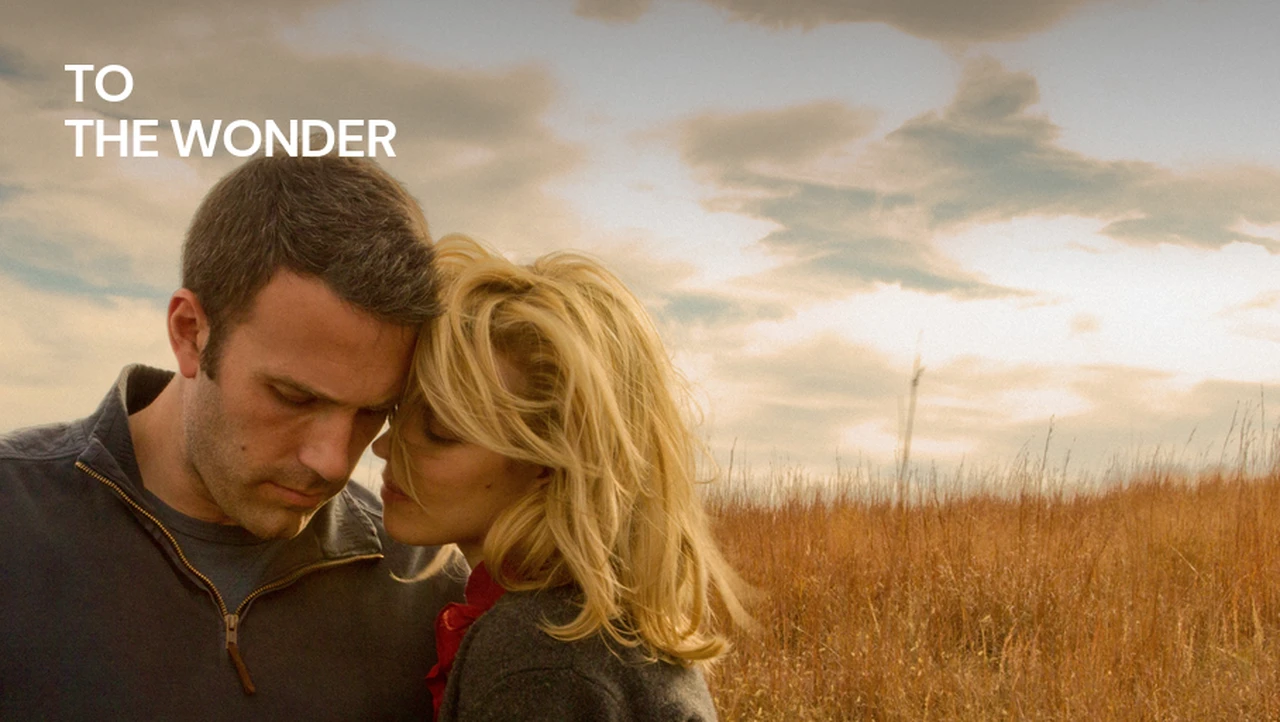
1. To the Wonder (2012)
Director: Terrence Malick
Malick’s film is pure visual poetry, following a relationship between Neil (Ben Affleck) and Marina (Olga Kurylenko) through fragments of memory, movement, and light. Like Train Dreams, it eschews conventional narrative for something more experiential. The camera dances around characters as they move through spaces—a Parisian plaza, Oklahoma suburbs, a lonely priest’s rounds—capturing fleeting moments of grace and disconnection. It’s polarizing precisely because it demands you surrender to its rhythms rather than follow a story. If you responded to how Train Dreams finds beauty in wordless observation, To the Wonder takes that aesthetic even further, creating a film that feels like watching memory itself unfold. Read more about To the Wonder here.
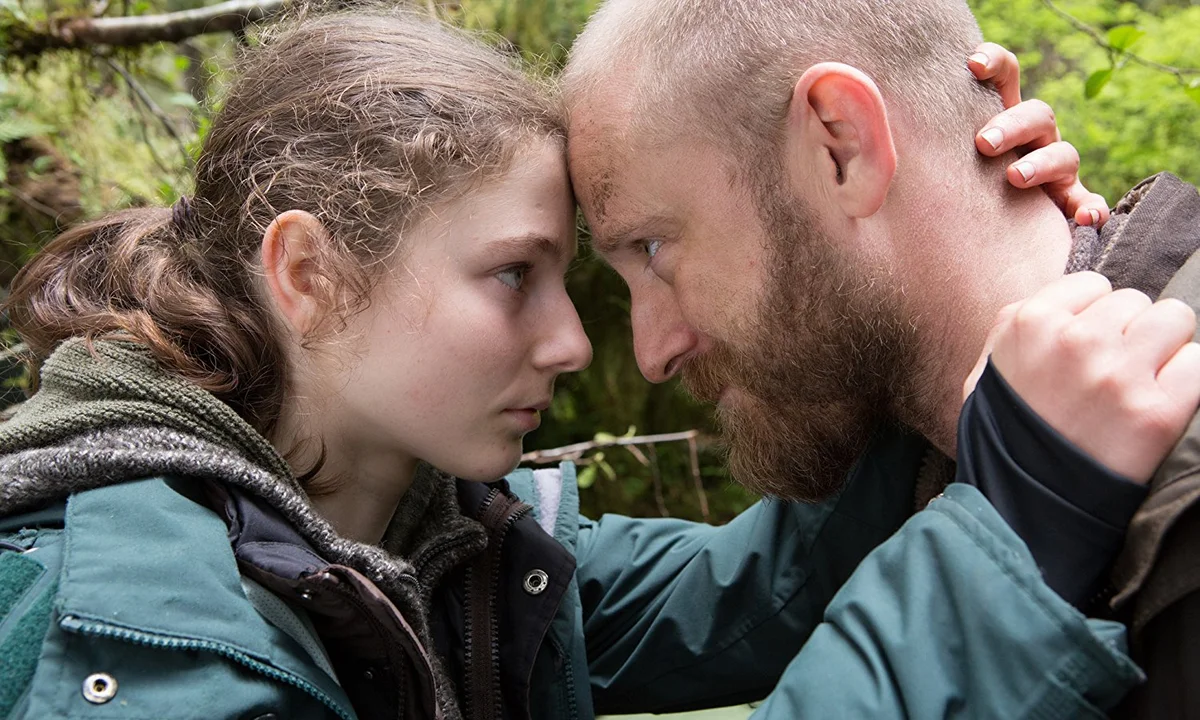
2. Leave No Trace (2018)
Director: Debra Granik
This understated gem follows a veteran (Ben Foster) and his teenage daughter (Thomasin McKenzie) living secretly in Portland’s Forest Park, outside society’s reach. Like Robert Gladd’s solitary existence, these characters have chosen the margins, finding meaning in self-sufficiency and the rhythms of the natural world. Director Debra Granik shoots the forest with the same reverence Bentley brings to the Idaho wilderness—trees aren’t backdrop but presence. The film’s power lies in what’s unspoken: trauma, love, the impossible question of whether healing means rejoining the world or staying apart from it. It shares Train Dreams‘ respect for silence and its understanding that some lives are lived in whispers. Read more about Leave No Trace here.
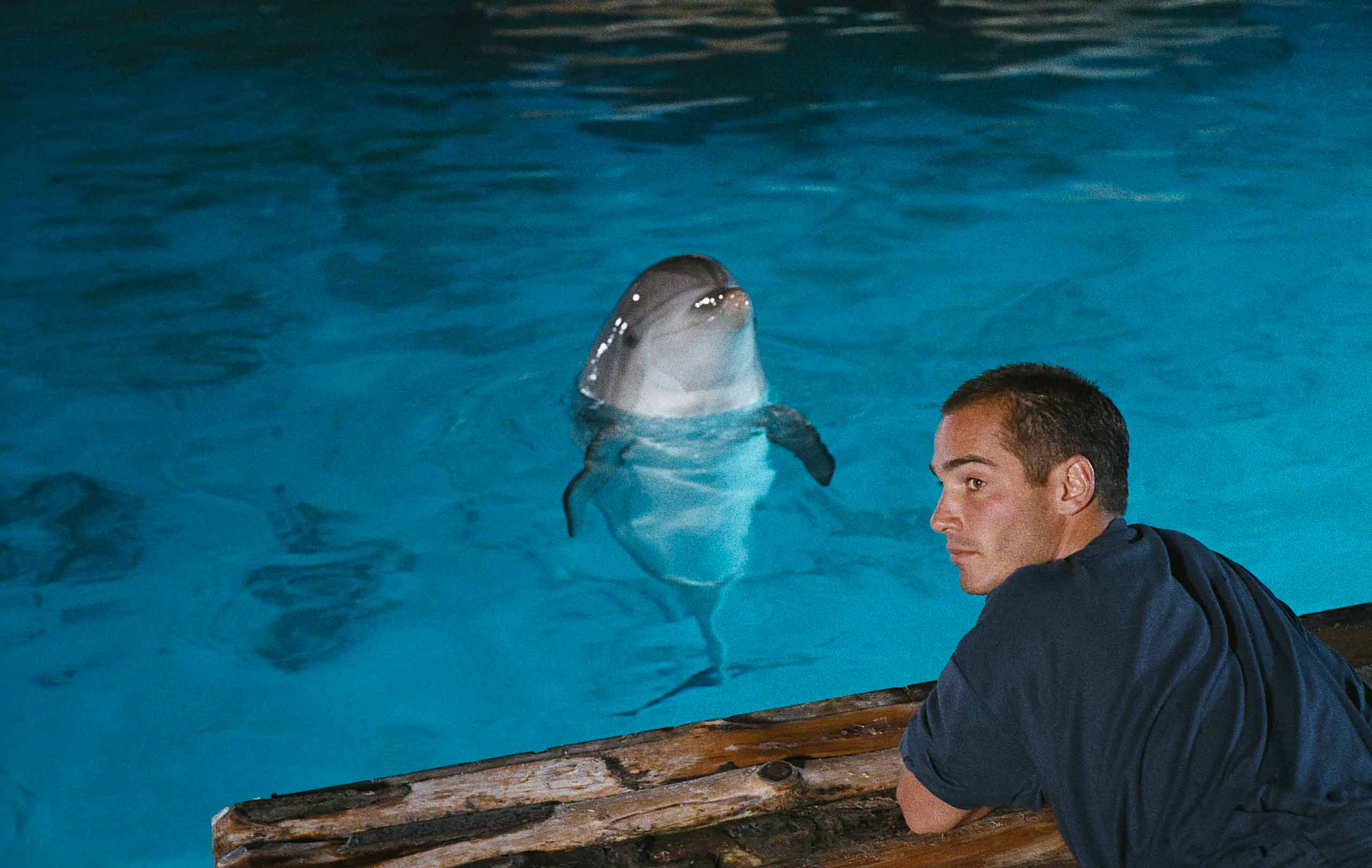
3. The Big Blue (1988)
Director: Luc Besson
Luc Besson’s hypnotic tale of free-diving rivals might seem an odd match for Train Dreams, but both films understand obsession, solitude, and humanity’s relationship with the non-human world. Jacques Mayol’s (Jean-Marc Barr) connection to the ocean depths mirrors Robert Gladd’s immersion in mountain wilderness—both men are more at home in harsh, beautiful environments than in human society. The underwater cinematography is dreamlike and meditative, with long sequences of divers descending into blue silence. It’s a film about people who live at the edges of what’s survivable, driven by something beyond reason, and it captures that same sense of being suspended between worlds that makes Train Dreams so haunting. Read more about The Big Blue here.
4. The Revenant (2015)
Director: Alejandro González Iñárritu
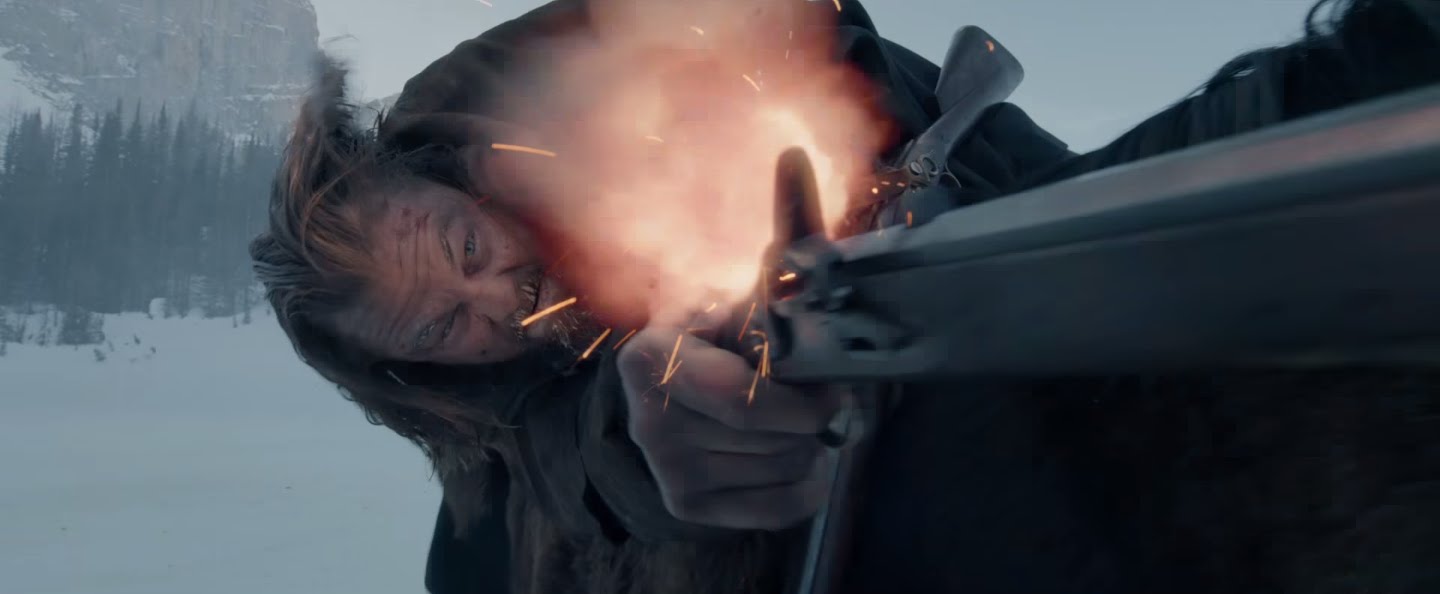
While The Revenant is more visceral and plot-driven than Train Dreams, it shares an unflinching commitment to capturing the brutal beauty of wilderness survival. Emmanuel Lubezki’s cinematography—shot entirely in natural light—transforms the frontier landscape into something simultaneously gorgeous and merciless, much like Train Dreams‘ depiction of the Idaho mountains. Hugh Glass’s (Leonardo DiCaprio) crawl toward survival echoes Robert Gladd’s quiet endurance through loss and isolation. Both films understand that nature doesn’t care about human suffering, and both find a strange dignity in watching characters persist anyway. If Train Dreams is a whisper, The Revenant is a howl—but they’re speaking the same language. Read more about The Revenant here.
5. All the Beauty and the Bloodshed (2022)
Director: Laura Poitras
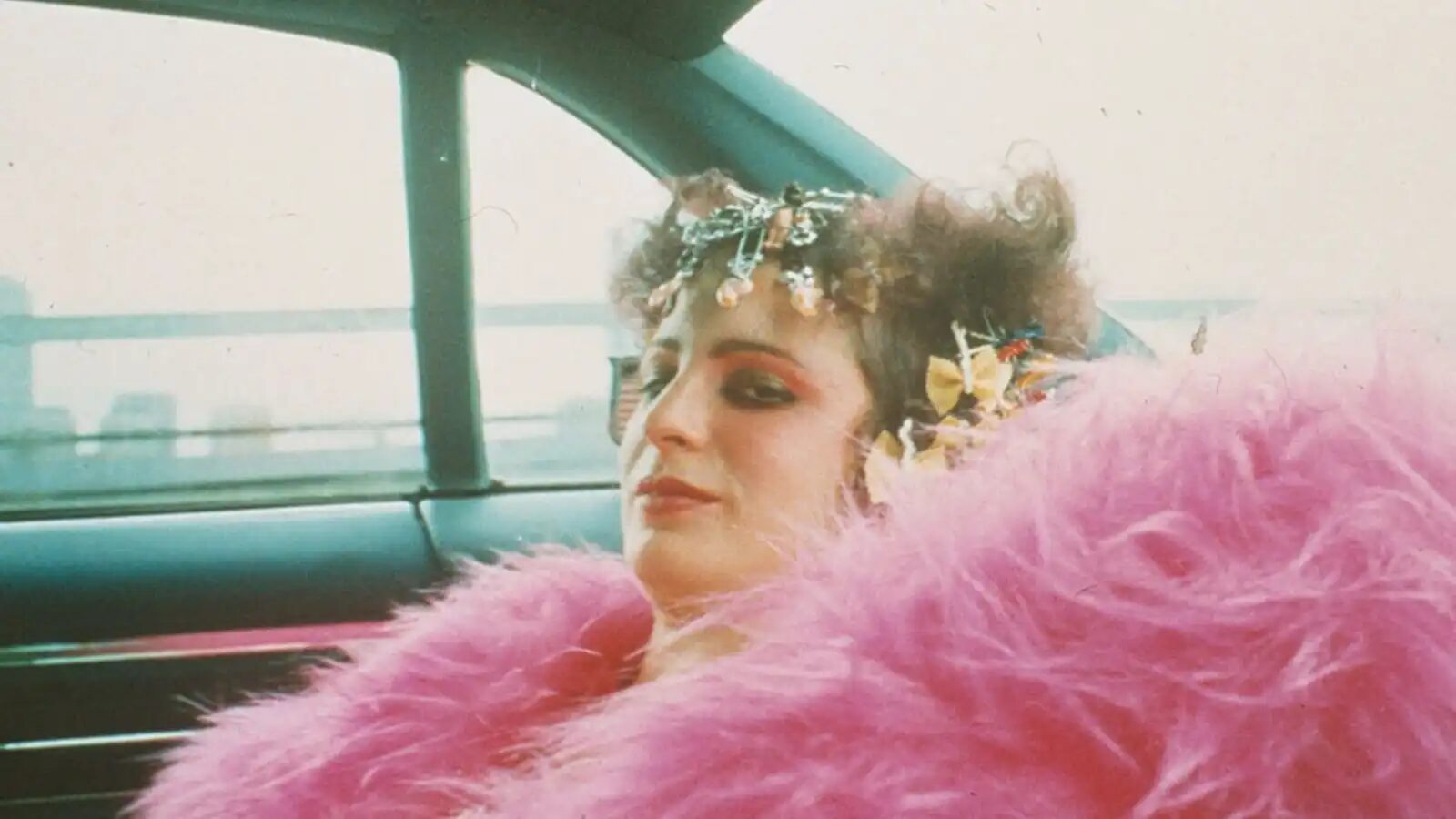
Laura Poitras’s documentary about photographer Nan Goldin might seem an unlikely companion to Train Dreams, but it shares that film’s understanding of how a life can be both devastated and transcendent. Through Goldin’s intimate photographs and her activism against the Sackler family, Poitras creates a portrait of survival, art-making, and the beauty that persists alongside trauma. Like Train Dreams, it’s structured more as meditation than argument, allowing images and moments to accumulate meaning. The film trusts viewers to sit with difficulty, to find connection in fragments, and to understand that some stories are best told slantwise. Both films prove that restraint can be more powerful than spectacle.
6. Into the Wild (2007)
Director: Sean Penn
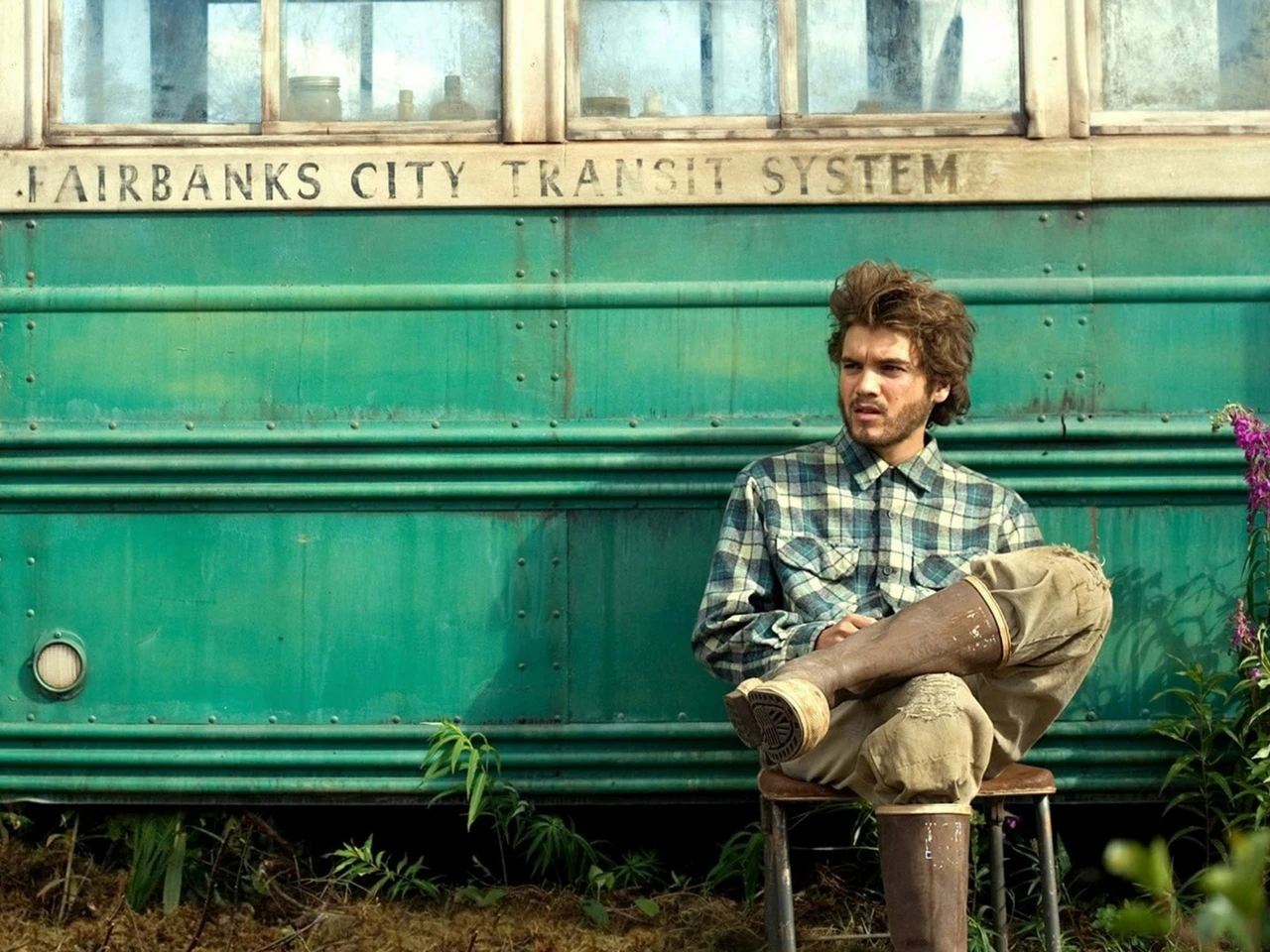
Sean Penn’s adaptation of Jon Krakauer’s book follows Christopher McCandless (Emile Hirsch) as he abandons civilization for the Alaskan wilderness. Like Robert Gladd, McCandless is drawn to solitude and the hard clarity of surviving by one’s own hands. But where Train Dreams observes its protagonist with patient distance, Into the Wild is more romantic and searching, tracing a young man’s idealism toward its tragic conclusion. The film shares Train Dreams‘ reverence for landscape—the American West, the Alaskan tundra—as spaces where people go to strip life down to its essentials. Both films ask what it means to live deliberately, away from society’s noise, even as they arrive at different answers about the cost of that choice.
7. The New World (2005)
Director: Terrence Malick
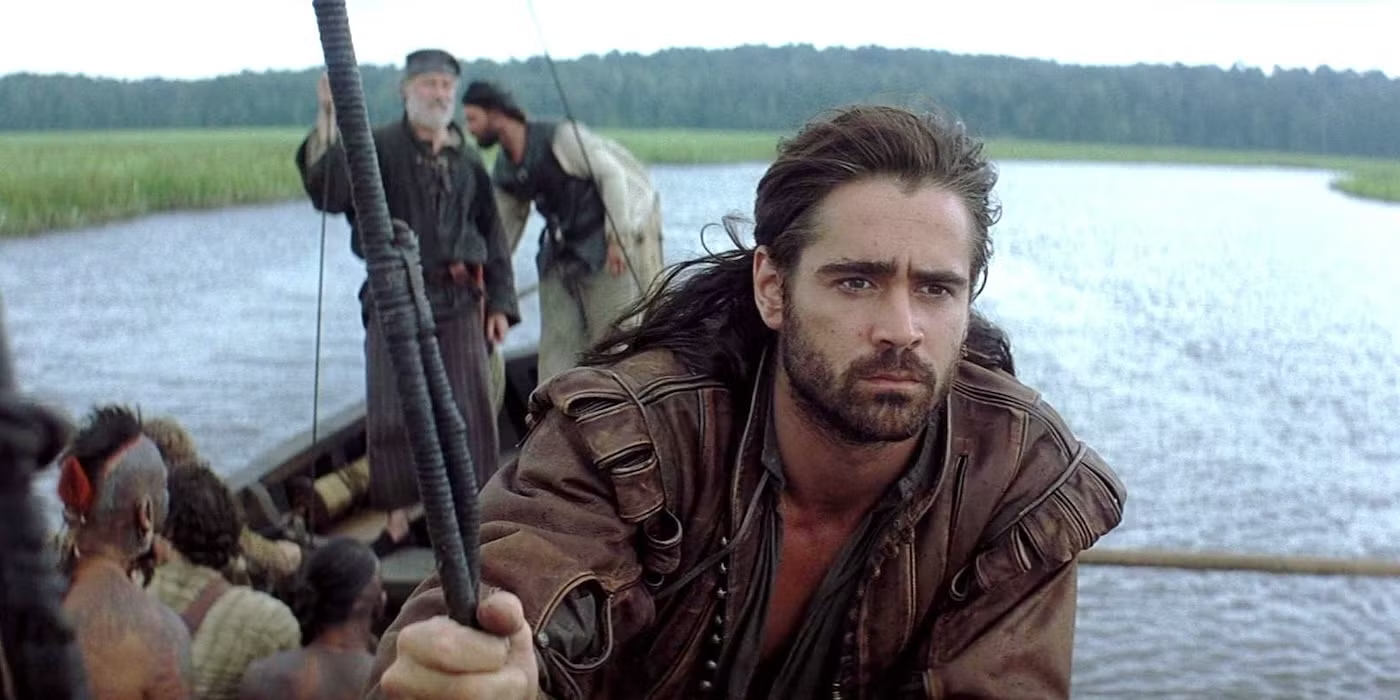
Malick’s retelling of the Pocahontas story is less historical drama than sensory immersion in a moment of first contact. Like Train Dreams, it’s a film of few words and long silences, where meaning emerges from the relationship between people and land. The Virginia wilderness is shot with such tactile beauty—sunlight through leaves, hands touching bark, water flowing over stones—that it becomes a character as vital as Pocahontas (Q’orianka Kilcher) or John Smith (Colin Farrell). Both films share an elegiac quality, a sense of watching something irretrievable slip away. And both trust that images of wind, water, and light can carry as much meaning as dialogue ever could.
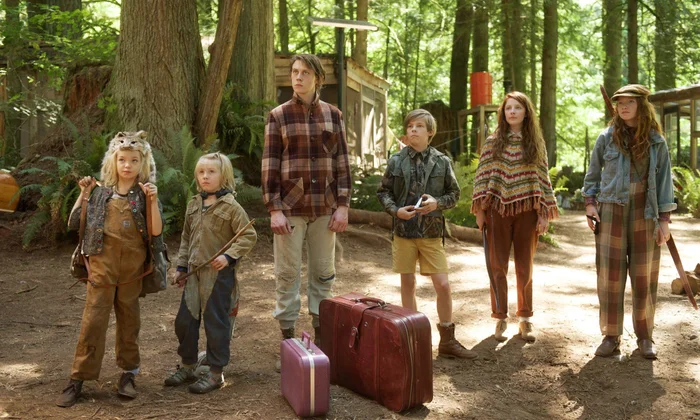
8. Captain Fantastic (2016)
Director: Matt Ross
This film follows Ben (Viggo Mortensen) raising his six children in the Pacific Northwest wilderness, educated and self-sufficient but isolated from the modern world. Like Train Dreams, it explores what happens when people choose to live outside society’s rhythms—the strengths they gain and the costs they pay. The forest scenes have that same quality of patient observation, watching characters exist in harmony with their environment. But where Robert Gladd’s solitude is unchosen, born of loss, Ben’s is deliberate, even ideological. The film becomes a meditation on whether it’s possible to protect the people you love by keeping the world at bay, and whether the wilderness can truly be a refuge or if it’s just another kind of exile.
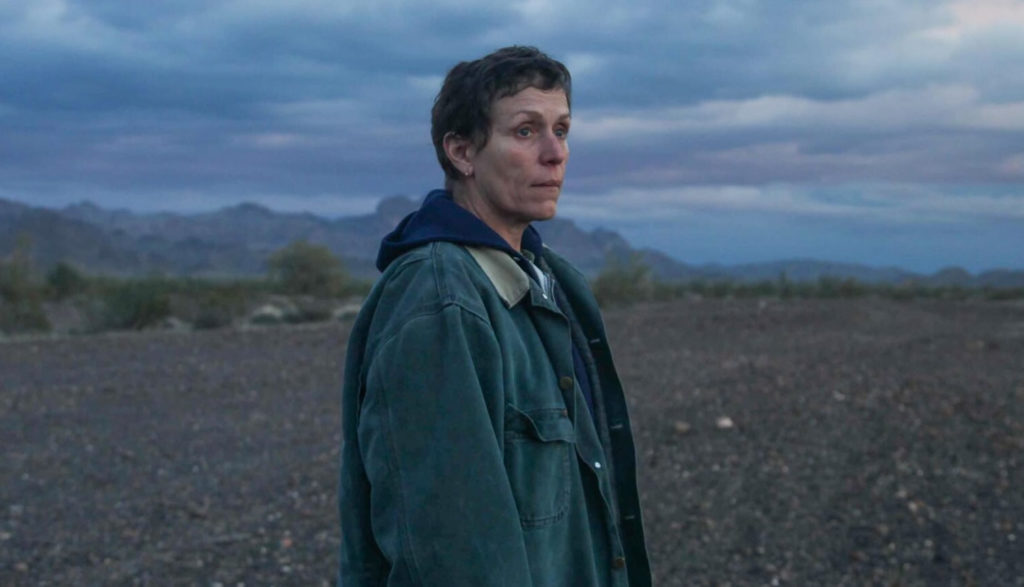
9. Nomadland (2020)
Director: Chloé Zhao
Zhao’s Oscar-winning film follows Fern (Frances McDormand) living as a van-dwelling nomad in the American West after economic collapse destroys her Nevada town. Like Robert Gladd, Fern has lost everything that tethered her to one place, and now she moves through landscapes of stunning desolation—the Badlands, the Nevada desert, an Amazon warehouse. The film shares Train Dreams‘ unhurried pacing and its interest in the dignity of labor, the texture of daily survival, the faces of people society has forgotten. Both films are about what remains when the structures of normal life fall away, and both find unexpected grace in transience, in learning to carry home inside yourself rather than in any fixed place.
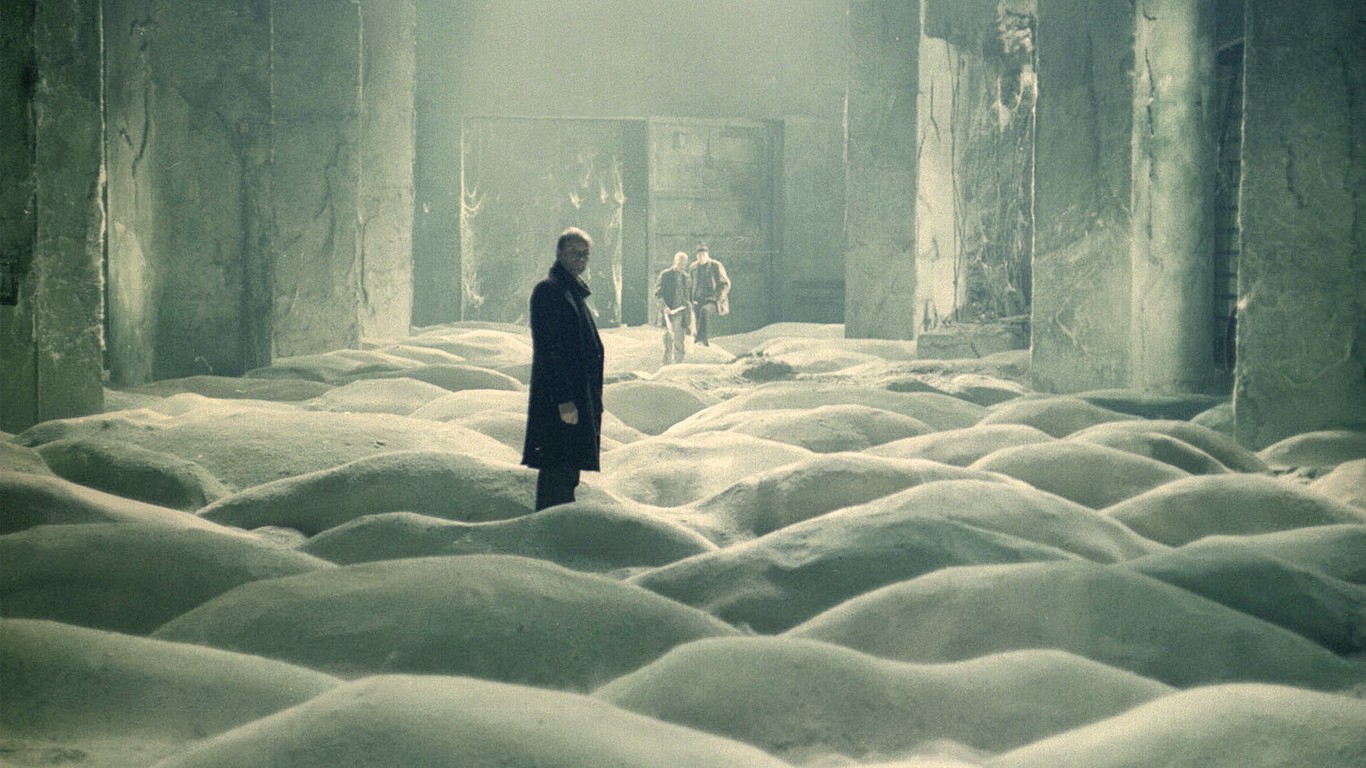
10. Stalker (1979)
Director: Andrei Tarkovsky
Tarkovsky’s science fiction masterpiece follows three men—a guide, a writer, and a scientist—journeying through the Zone, a mysterious area where reality bends and wishes come true. Like Train Dreams, it’s a film that requires patience, that moves at the speed of walking, of water dripping, of wind rustling through abandoned rooms. The Zone, like the Idaho wilderness, is beautiful and indifferent, a landscape that reveals as much about the characters’ interior lives as their external journey. Both films understand that profound experiences often happen slowly, in silence, through accumulated images rather than explained meanings. If Train Dreams taught you to trust stillness and ambiguity, Stalker will feel like coming home to a familiar, unsettling country.
Final Thoughts
These films won’t give you easy answers or conventional satisfaction. Like Train Dreams, they ask you to slow down, to watch the way light falls, to find meaning in repetition and silence. They’re films for late nights and quiet moods, for when you want cinema to work on you the way weather works on stone—gradually, persistently, leaving you changed in ways you can’t quite name.
They remind us that not all stories need to be told at full volume, and that sometimes the most profound experiences come from simply witnessing a life lived, a landscape observed, a moment honored for its own sake.