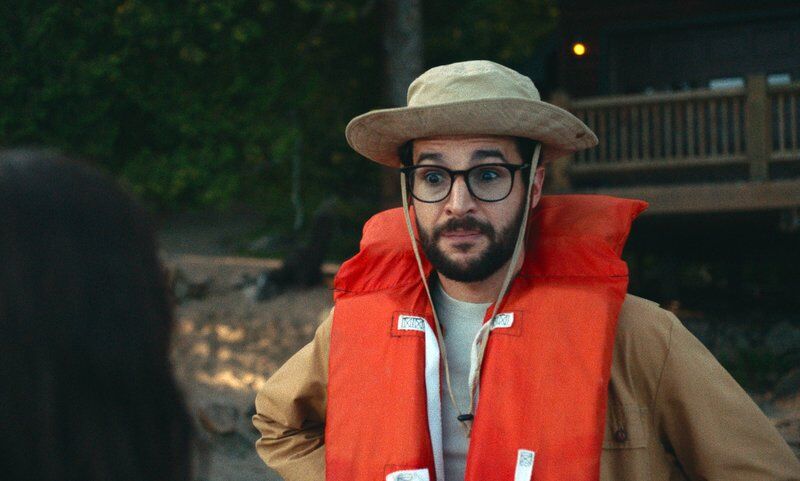
Stop what you’re doing. Drop everything. Go see Nirvanna the Band the Show the Movie. Right now. I’m serious. This movie is an absolute miracle—a lightning-in-a-bottle achievement that shouldn’t exist, couldn’t exist by traditional logic, and yet here it is, triumphantly defying every conceivable limitation to deliver one of 2026’s most inventive, hilarious, and unexpectedly moving films.

When Matt Johnson and Jay McCarrol’s plan to book a show at Toronto’s Rivoli bar goes spectacularly wrong, they accidentally time-travel back to 2008 in a DeLorean-inspired RV. What follows is pure cinematic chaos—a Back to the Future parody that’s simultaneously a love letter to friendship, a technical marvel, and the funniest thing you’ll see all year. This is guerrilla filmmaking at its absolute peak.
But before we dive into the glorious insanity of this particular film, we need to understand the wild world of permit-free, shoot-first-ask-questions-never filmmaking that made it possible.
GUERRILLA FILMMAKING 101: The Art of Cinematic Rule-Breaking
Guerrilla filmmaking is exactly what it sounds like: grabbing a camera, hitting the streets, and shooting without permits, permissions, or apologies. It’s the antithesis of Hollywood’s meticulously planned productions. No location scouts. No insurance. No asking nicely. Just pure, unadulterated cinematic ambition fueled by audacity and creativity.
The technique has a storied history—from early French New Wave directors shooting handheld in Parisian streets to The Blair Witch Project revolutionizing found-footage horror. But the modern guerrilla filmmaker faces unique legal challenges. You’re constantly dancing on the edge of trespassing laws, copyright infringement, and the very real possibility of getting shut down mid-take.
The key is something called “fair use”—a legal doctrine that allows limited use of copyrighted material without permission for purposes like parody, commentary, or transformative art. It’s a delicate balancing act, and getting it wrong can mean lawsuits, distribution nightmares, or your film dying in legal purgatory.
Which brings us to Matt Johnson’s previous masterpiece of guerrilla audacity…
OPERATION AVALANCHE: When Guerrilla Filmmaking Infiltrated NASA
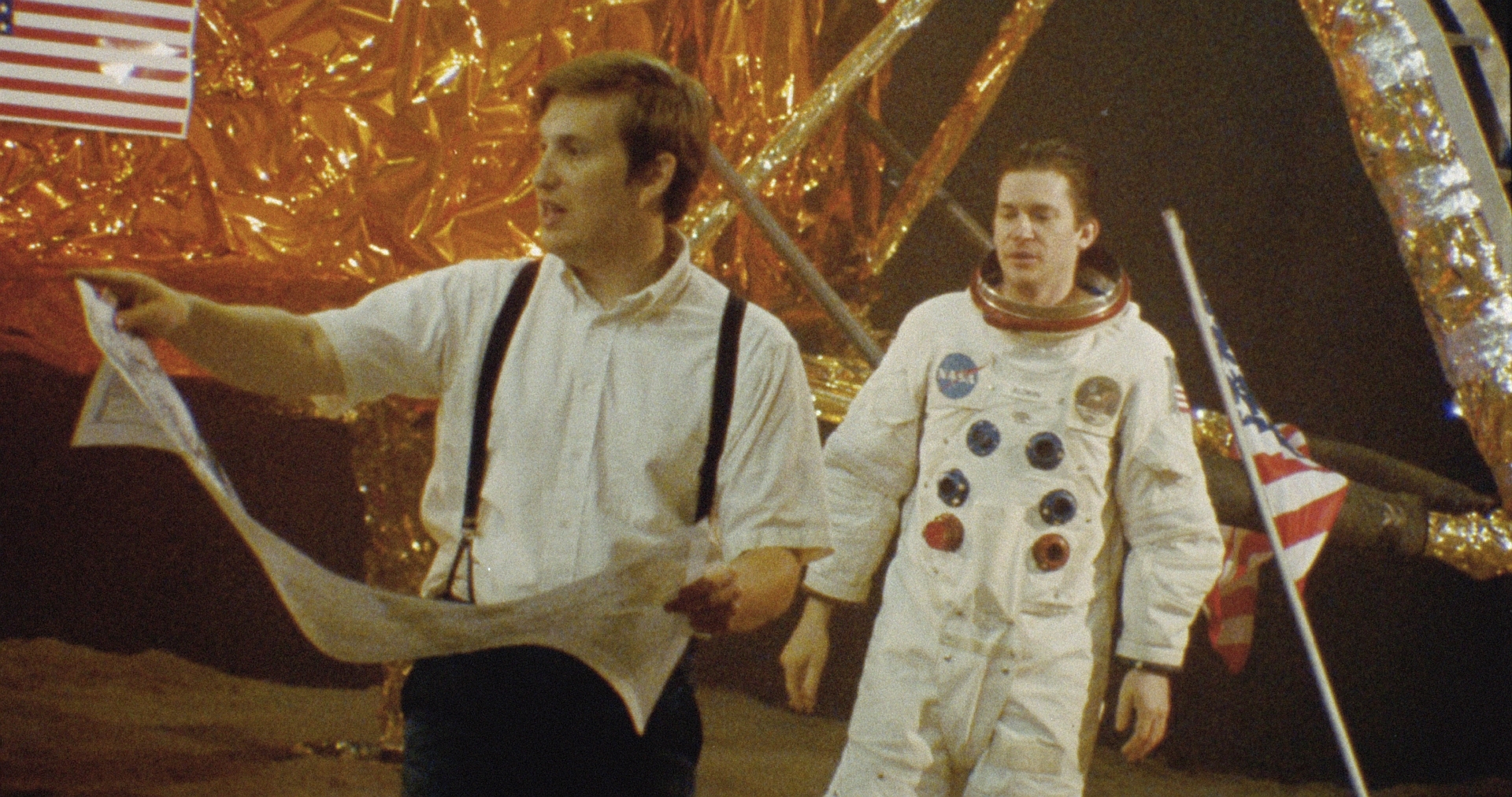
Back in 2016, Matt Johnson pulled off something that still seems impossible: he made a movie about faking the moon landing by actually infiltrating NASA headquarters.
Let that sink in for a moment.
To get permission to shoot at NASA, Johnson told them he was making a student documentary. Armed with hidden cameras and absolutely zero shame, Johnson and his crew posed as documentary filmmakers investigating the Apollo program. They lied their way onto NASA property and recorded conversations with real NASA officials who had no idea they were appearing in a narrative fiction film.
Operation Avalanche tells the story of two young CIA agents who discover NASA can’t actually land on the moon by the 1969 deadline, so they decide to fake it. And because Johnson is committed to the bit in ways that defy sanity, he didn’t just write about it—he went method. Johnson and cinematographer Jared Raab actually snuck into Shepperton Studios (where Avengers: Age of Ultron was filming at the time) to shoot footage of the space they claimed Kubrick used for 2001: A Space Odyssey. They literally walked through Disney security checkpoints with hidden cameras.
But here’s where it gets legally fascinating. Johnson couldn’t use any Kubrick intellectual property—no photos, no footage, no audio. His entire movie was based on the intellectual property of Stanley Kubrick, but he couldn’t actually use any of it. Enter copyright lawyer Chris Perez, the same attorney who defended Escape From Tomorrow (a psycho-sexual comedy shot entirely inside Disney World without permission).
Perez taught Johnson that under fair use, they could use Kubrick’s old photos and didn’t need permission for nearly all media associated with the Apollo program. The film liberally employed newly-permissive fair use interpretation to mix staged scenes with copyrighted archival footage of actual moon landings. The result? A mind-bending mockumentary that cost a fraction of a traditional film because Johnson realized that recreating NASA with actors would cost 2-3 million dollars alone—money they didn’t have. By shooting guerrilla-style, they turned financial limitation into mind blowingly creative innovation.
NASA’s response? Crickets. They knew absolutely they were cooked. Between the Sundance release and its eventual wider release, there were developments, but the film was ultimately released and Johnson walked away having proven that with enough audacity and the right lawyer, you can fake faking the moon landing, and brilliantly too. If you’ve never seen Operation Avalanche you really have to today.

FROM WEB SERIES TO TV SHOW TO CINEMATIC MIRACLE
But Operation Avalanche was just practice for Johnson’s true passion project: Nirvanna the Band.
The story begins in 2007-2009 as a comedy webseries following two members of a band as they attempt to play a show at the Rivoli in Toronto. (And it must be said that the Rivoli is a nowhere venue – which is 100% of joke… they are working so hard to get into a show venue that they could just walk into probably.) For the webseries, they use a combination of mockumentary-style filmmaking, guerrilla filming, and re-staged scenes in order to film escalating highjinks that get more and more incredulously hilarious the deeper they get.
So let’s back up and just be extra clear. For the bit, Matt and Jay play fictionalized versions of themselves—two delusional best friends in a band called “Nirvanna the Band” who desperately want to play Toronto’s Rivoli bar. The catch? They’ve never written a song. They’ve never even contacted the venue. Instead, they concoct increasingly elaborate schemes to force their way onto that stage, dragging unsuspecting Torontonians into their chaos. The original web series was scrappy, lo-fi brilliance—shot on whatever cameras they could afford, edited together whenever they had time, building a cult following through sheer creative chutzpah.
Then in 2017, the webseries was remade with higher production value into a series for Viceland, running for two seasons. This is where things got truly bonkers. The Viceland show became legendary for stunts like sneaking a camera into the opening-night premiere of Star Wars: The Force Awakens, filming the actual screen, and incorporating that into the TV show. In one episode, Johnson watches Star Wars way too close to the screen and goes blind, leading to a Daredevil-style parody complete with perfect opening titles.
Each episode of the Viceland series was basically a full movie parody—elaborate reconstructions of sitcoms, films, and TV shows, all in service of Matt and Jay’s doomed quest to play the Rivoli. It was Nathan For You meets Jackass meets pure Canadian absurdism. And then Viceland shut down. A third season was filmed and partially edited but never released. The show seemed dead. Until Johnson announced in May 2023 that he was returning to make a film, with the success of 2023’s BlackBerry helping secure funding from Telefilm.

THE MOVIE: A PRIMER-ESQUE BACK TO THE FUTURE MIRACLE
Here’s where things get truly magical.
Johnson initially planned a road-trip movie recreating A Confederacy of Dunces—they even bought an RV and started shooting with no script. But Jay observed it felt too much like the TV show, with nothing signaling this was a movie. So they scrapped everything and started over. Jay suggested they needed to parody the biggest movies of all time, and within minutes they landed on Back to the Future. The premise: Matt and Jay accidentally build a working time machine in their RV (powered by Orbitz soda, naturally) and get stranded in 2008—forcing them to confront their younger selves and figure out how to return to 2025.
But here’s the genius stroke: Because Johnson and McCarrol have been filming themselves for decades, they were able to utilize actual, never-before-seen footage of their younger selves to edit into the movie. This isn’t CGI de-aging. This isn’t lookalike actors. This is ACTUAL archival footage from the original 2008 web series, spliced seamlessly with new 2025 filming.
The effect is pure Primer-level time-travel complexity executed with Back to the Future-level heart. Using body doubles, archival footage, and meticulously recreated sets, the crew splices scenes nearly two decades apart. When 2025 Matt and Jay interact with their 2008 selves, you’re watching something that shouldn’t be possible—two versions of the same people separated by seventeen years of actual life, edited together with such precision that the seams disappear. I was literally agog when they first entered the screen together.
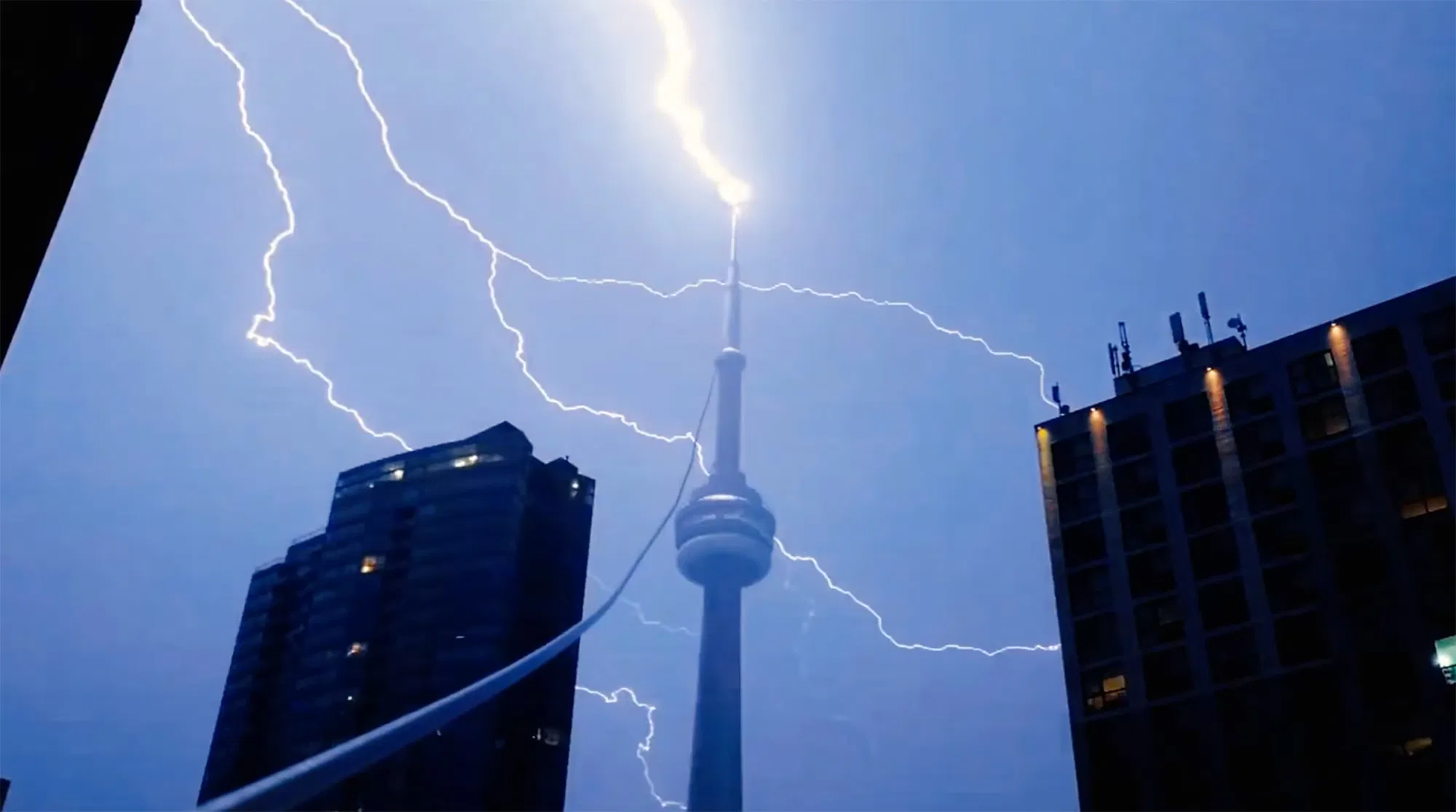
The film opens with the CN Tower sequence—a publicity stunt where they plan to parachute from the summit and land on the Rogers Center field during a Blue Jays game. No permits were obtained and no permissions were granted—everything you’re seeing on camera is how it was filmed, including Matt and Jay leaning way over the edge of the 1,800-foot structure. “We’ve never done anything harder than that,” Johnson says, explaining they had to shoot in 30-second increments before security would throw them out. The entire sequence is terrifying and hilarious in equal measure—watching them dangle off Toronto’s tallest landmark, filming with hidden HD cameras, pulling off a stunt that would cost Hollywood millions.
When the time machine accidentally activates (via spilled Orbitz), Matt and Jay find themselves in 2008 Toronto. The film brilliantly recreates the era with old CLRV streetcars, Jian Ghomeshi billboards, and print versions of NOW Magazine. But the real magic is watching 2025 Matt and Jay navigate around their younger selves, using actual footage from 2008. Realizing the Orbitz caused the time machine to work, they attempt to obtain another bottle from their younger selves’ apartment, narrowly avoiding being discovered. When an interaction between younger Jay and older Matt makes older Jay reconsider leaving the band, he confesses his earlier plan to go it alone in a solo act.
The emotional gut-punch comes when hurt Matt alters their 2008 selves’ plans to instruct their younger selves NOT to play the Rivoli. This sets off a massive butterfly effect they didn’t fully anticipate. They return to 2025 and discover Jay has become an extremely successful musician while Matt drums in a Jay McCarrol cover band. But fame without friendship rings hollow. Without Matt, Jay finds celebrity life lonely. The alternate timeline isn’t triumphant as they anticipated, it’s devastating.
And here’s where the film reveals its true heart.
THE HEART OF IT ALL: FRIENDSHIP ABOVE EVERYTHING
Strip away the guerrilla stunts, the Back to the Future parody, the CN Tower madness, and the Drake shooting integration—at its core, Nirvanna the Band the Show the Movie is about one simple truth: success means nothing without your best friend.
The film explores the road not taken with genuine emotional weight. When Jay achieves solo fame in the altered timeline, he has everything Matt supposedly held him back from achieving. The money. The recognition. The packed venues. But he’s miserable. The high jinks, the crazy schemes, the quality time—all gone. Just empty applause from strangers.
This is a movie that understands friendship isn’t about actually winning, or achieving goals together, it’s about the JOURNEY together along the way. The ridiculous RV modifications. The elaborate plans that inevitably fail. The running around Toronto getting kicked out of places. The seventeen-year commitment to a bit that makes absolutely no logical sense.
Matt and Jay have been documenting their friendship since 2007. Nearly two decades of filming themselves being idiots together. And the movie makes you feel every year of that bond. When they interact with their younger selves, there’s real melancholy—seeing who they were, recognizing who they’ve become, understanding that the friendship is the only constant that matters.
The film asks: would you trade your best friend for success? And it answers with a resounding NO. Not because success isn’t tempting, but because the experiences, the laughter, the memories—those ARE the success. The Rivoli was never really the goal. The goal was having someone crazy enough to spend seventeen years trying to achieve an absurd dream with you.
THE MAGIC: HOW THEY PULLED OFF THE IMPOSSIBLE
Let’s talk about the sheer audacity of this production.
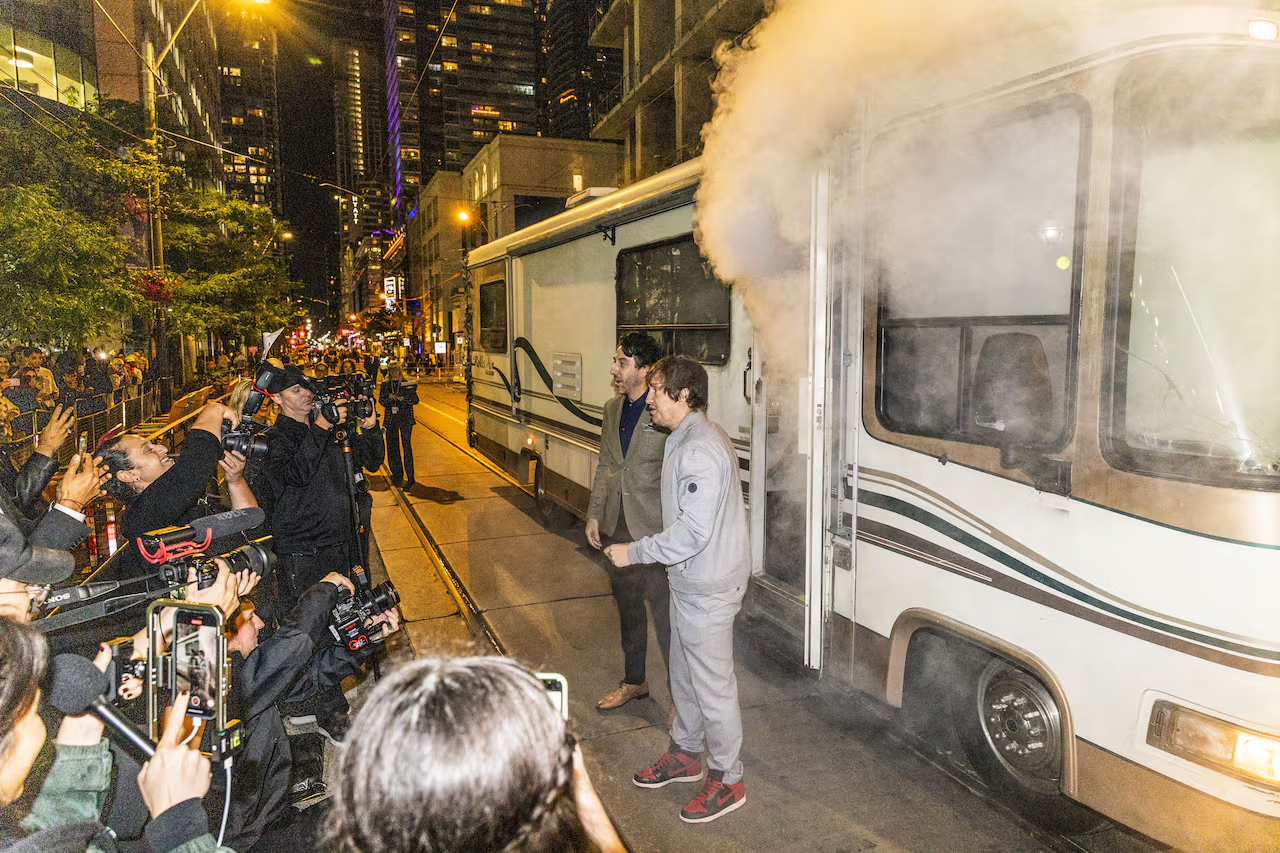
The film cost around $2 million in US dollars, much of which went to sustaining a small crew of between four and eight people during the 200-plus day shoot. Compare that to what Hollywood would spend: “If a Hollywood movie were to do these sequences, they would rebuild the CN Tower, use professional actors—it would be a $5 million stunt” alone.
The Drake mansion sequence is the perfect encapsulation of their method. In May 2024, while filming an interview on a Toronto radio show, news broke of the real shooting at Drake’s mansion. They immediately drove to the crime scene and started filming. That visit subsequently became a major plot point pivot—they realized Jay needed to commit some kind of crime involving a firearm and worked that forwards and backwards into the movie. You can literally go back and watch official news reports from that day and spot the Nirvanna crew in the background. They changed the audio because “it’s too hard to fake,” using real CP24 footage but manipulating the words to fit their narrative.
That concert scene where Jay plays to a packed, raucous crowd? Those people were there to see the Arkells, and the band did them a huge favor letting Jay up while they were shooting—nobody in that crowd is playing along. The Back to the Future parody itself is legally audacious. Johnson worked diligently to stay safely in parody territory by partnering with the same copyright lawyer who defended Escape From Tomorrow. So many elements are lifted and remixed that it seems impossible Universal Pictures hasn’t sent lawyers, but Johnson consulted extensively to ensure fair use protection.
Matt confirmed at the SXSW premiere that they re-shot the movie 3 different times and changed the plot completely each time, and after submitting to SXSW, they re-shot over 50% of it. This is insane perfectionism meeting guerrilla flexibility.
The time-travel doubling effects are achieved through body doubles, archival footage, and meticulously recreated sets combining scenes nearly two decades apart. The technical precision required to make 2008 footage match 2025 cinematography, to sync lighting and framing, to maintain continuity across seventeen years—it’s borderline miraculous. And they did it all while shooting guerrilla style on Toronto streets around unknowing subjects without permits or permission. Johnson explains they shot “as though we’re shooting a student film, without any sense of permits or permission at all”.
WHY THIS MATTERS
Nirvanna the Band the Show the Movie is proof that limitations breed creativity. That friendship is the ultimate superpower. That with enough audacity, a good lawyer, and genuine love for what you’re making, you can achieve the impossible.
This is a film that won the People’s Choice Award at TIFF Midnight Madness and the Midnighter Audience Award at SXSW. It has a 97% on Rotten Tomatoes. Audiences are losing their minds over it because it does something Hollywood forgot how to do: it surprises you. It delights you. It makes you believe in movies again.
Matt Johnson and Jay McCarrol spent seventeen years committed to a bit—pretending to be in a band that doesn’t exist, trying to play a venue they never contacted, filming themselves failing spectacularly over and over. And that commitment paid off in ways a studio executive could never predict.
This is punk rock filmmaking. This is what happens when you refuse to play by the rules, when you value the experience over the outcome, when you understand that the best stories come from genuine friendship and shared insanity.
Go see this movie. Bring your best friend. Laugh until your stomach hurts. And remember: some dreams are too ridiculous to ever die—and those are exactly the ones worth pursuing.
In theaters now. Don’t miss it.