
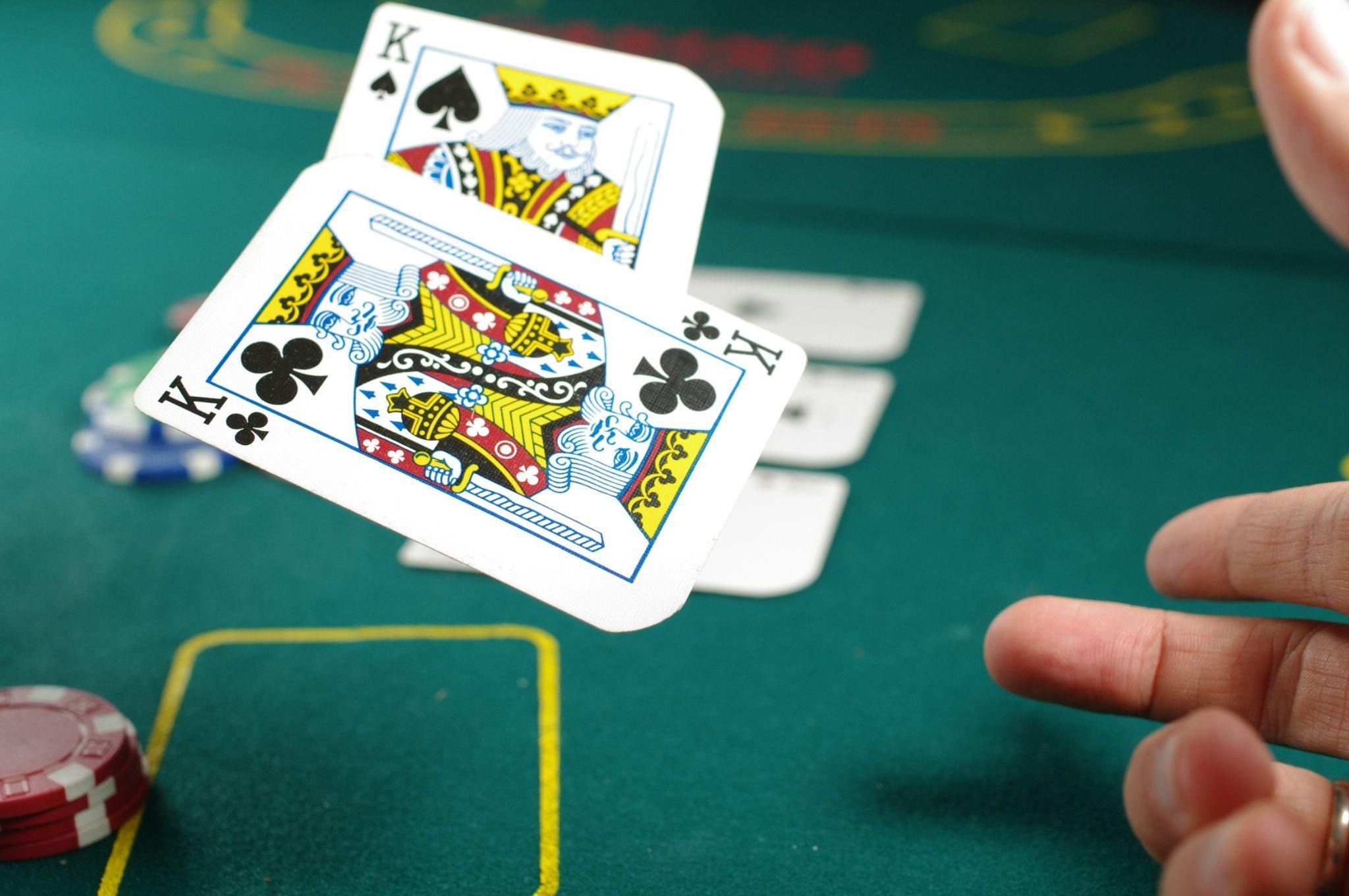
Casinos suit thrillers because they combine public luxury with private danger. The room looks controlled, yet every glance, wager, card, and pause suggests a hidden agenda.
Visible Risk
A casino scene turns risk into something the audience sees. Chips move across felt, a dealer waits, a wheel slows, and a character’s face reveals whether the next result changes the story.
In Casino Royale (2006), the Montenegro poker sequence makes the table feel like a battlefield. Bond is playing against Le Chiffre, but the suspense also comes from the poisoned drink, the hidden medical emergency, the CIA money, and the way every hand affects a wider intelligence mission.
Controlled Space
A casino floor feels open, but the character has limited freedom. Tables, guards, cameras, crowds, and house rules create a controlled environment where every movement attracts attention.
Ocean’s Eleven (2001) turns the Bellagio into a machine of locks, cameras, codes, guards, elevators, and timing windows. The suspense comes from watching Danny Ocean’s crew move through a glamorous space where every corridor and monitor creates another chance for exposure.
Hidden Motives
Casino scenes work because everyone performs. A player bluffs, a dealer notices timing, a bodyguard watches an exit, and a rival studies the table without showing intent.
Small visual cues reveal pressure before dialogue explains it:
- A player smiles after a damaging loss.
- A hand covers chips during a question.
- A glance moves toward a security camera.
- A dealer pauses longer than expected.
Roulette, Cards, Slots, and Live Tables
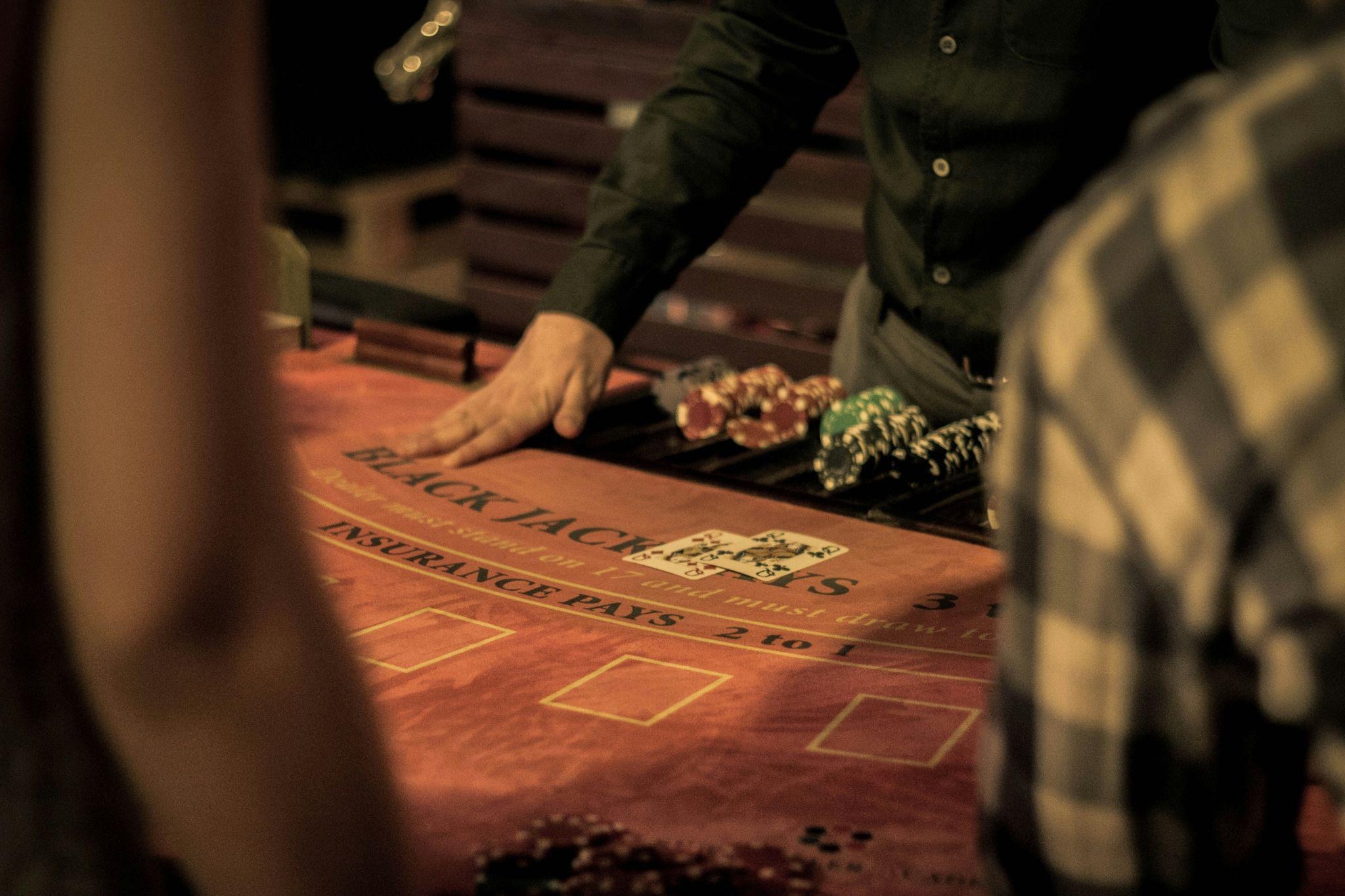
Roulette Wheels
Roulette is cinematic because the wheel creates a visible countdown. The ball circles, slows, rattles, and drops, turning chance into motion the camera follows.
When The Online Casino presents live roulette online as a real-time table format, thriller viewers recognize the same imagery: wheel, dealer, chips, timer, and faces waiting for the result. A film scene turns those parts into a countdown for character failure, discovery, or escape.
Card Tables
Card games create suspense through concealment. The camera shows one hand, hides another, cuts to a rival, and returns to a character whose expression changes before the audience sees the card.
In Casino Royale, the poker table works because the audience watches faces as much as cards. Bond’s stillness, Le Chiffre’s bleeding eye, Vesper’s reactions, and the changing chip stacks make each reveal feel like a test of control.
Slot Floors
Slot areas create a different kind of unease. Instead of silence, they offer repetition: lights, reels, electronic chimes, scattered voices, and machine rhythms. A thriller uses that noise as camouflage. A whispered threat, hidden exchange, or passing glance feels sharper when surrounded by machines designed to distract the room.
Live-Table Imagery
Modern thrillers borrow from live-table language even in fictional settings. A dealer, overhead angle, number display, timer, side conversation, and surveillance feed turn the table into a monitored performance.
Viewers who move between crime films, streaming investigations, and the top 100 Netflix documentaries recognize the tension of recorded behavior. The image feels observed, stored, and available for someone else to review later.
Pacing, Editing, Lighting, and Sound
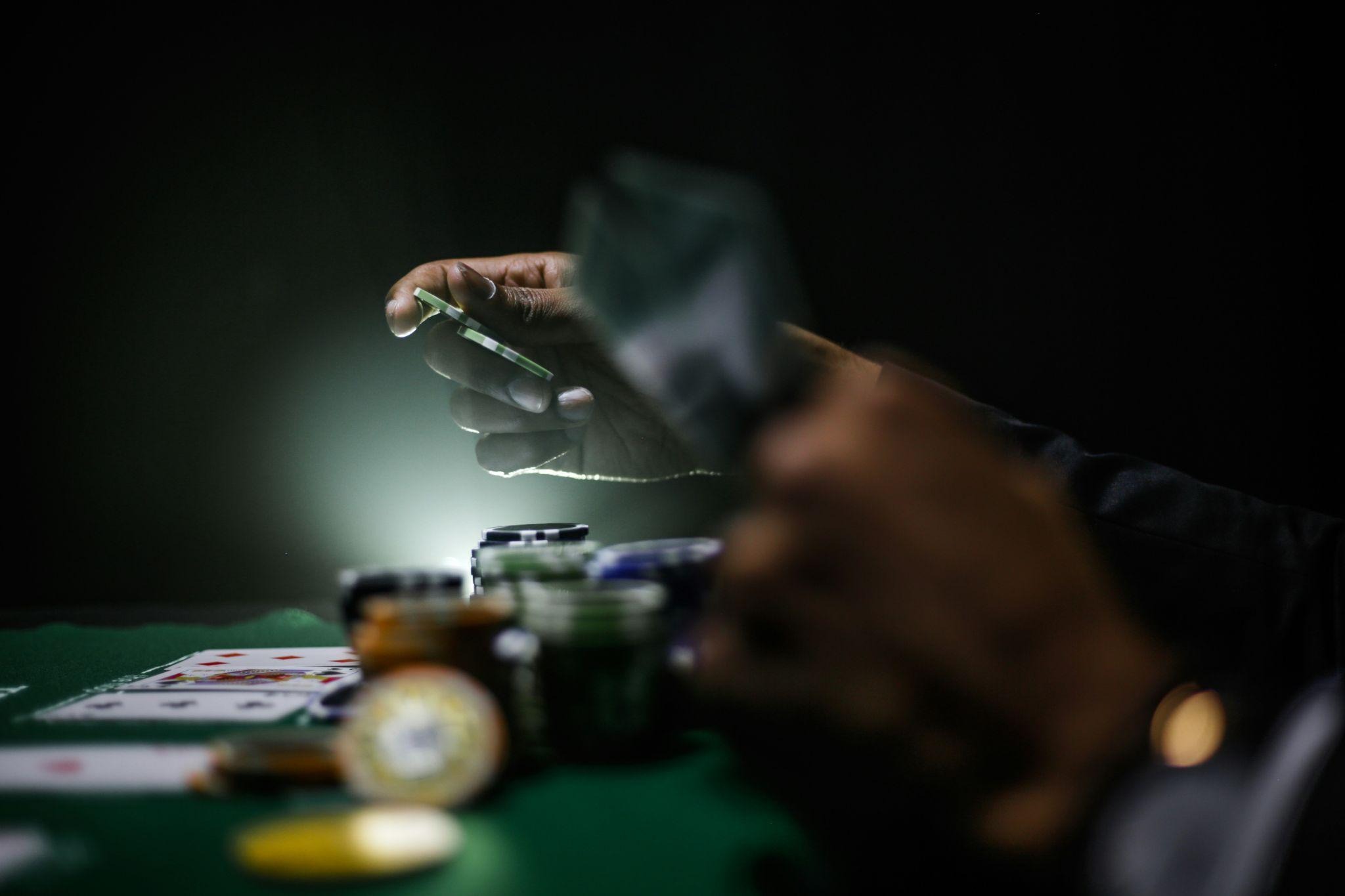
Suspense in casino scenes comes from film craft as much as plot. The director controls what the audience sees, when they see it, how long it lasts, and what sound fills the pause.
Camera Framing
Framing decides where suspicion lives. A wide shot shows the room’s social order, while a close-up isolates a nervous hand, the dealer’s eyes, or a chip sliding forward.
The strongest frames give one detail more importance than the rest of the room:
- A security camera dominates the upper corner.
- A ringed hand touches the next card.
- A dealer’s eyes hold for one beat.
- A chip stack blocks half a face.
- A rival appears behind reflective glass.
In Croupier (1998), the camera keeps returning to Jack Manfred’s controlled face and the ordered table surface. The framing makes the casino feel emotionally cold, as if the dealer’s fixed position gives him power and traps him at the same time.
Editing Rhythm
Editing rhythm controls the viewer’s pulse. Slow cuts stretch anticipation before a reveal, while sudden cuts create panic when the plan begins to fail. A casino scene gains tension through alternating views: player, dealer, wheel, watcher, chips, and security monitor. The pattern gives the audience pieces of information while withholding the full danger.
The table shows how editing choices affect suspense during casino scenes:
| Editing Choice | Screen Effect | Suspense Result |
| Long hold | Face stays in frame | Inner pressure becomes visible |
| Rapid cut | Table details flash quickly | Panic enters the sequence |
| Reaction cut | Response appears before result | Audience waits for meaning |
| Surveillance insert | Camera view interrupts action | Control shifts away from hero |
Ocean’s Eleven uses fast cross-cutting between the casino floor, security room, vault route, and crew members. The edit pattern makes the heist feel like a live system where one late move threatens the entire plan.
Lighting Contrast
Casino lighting is built for glamour, but thrillers turn it into contrast. A character sits under warm table light while the background falls into shadow. In Casino Royale, the poker room has polished surfaces, elegant suits, and soft lighting, yet the emotional space is violent.
Sound Cues
Sound gives casino scenes their nervous system. Cards snap, chips click, machines ring, and footsteps cross the carpet. In Uncut Gems (2019), gambling tension grows through overlapping voices, ringing phones, crowd noise, and constant interruption. The sound design creates the feeling that every choice arrives before the character has recovered from the last one.
Casino Symbolism in Thrillers
Casino scenes endure because they turn choice, chance, greed, and identity into visual drama. The setting gives filmmakers a language of risk that audiences understand immediately. Modern thrillers use casino spaces because they combine elegance with threat. Under the lights, every sound, glance, and pause becomes a clue, and suspense builds from the feeling that everyone is being watched.