
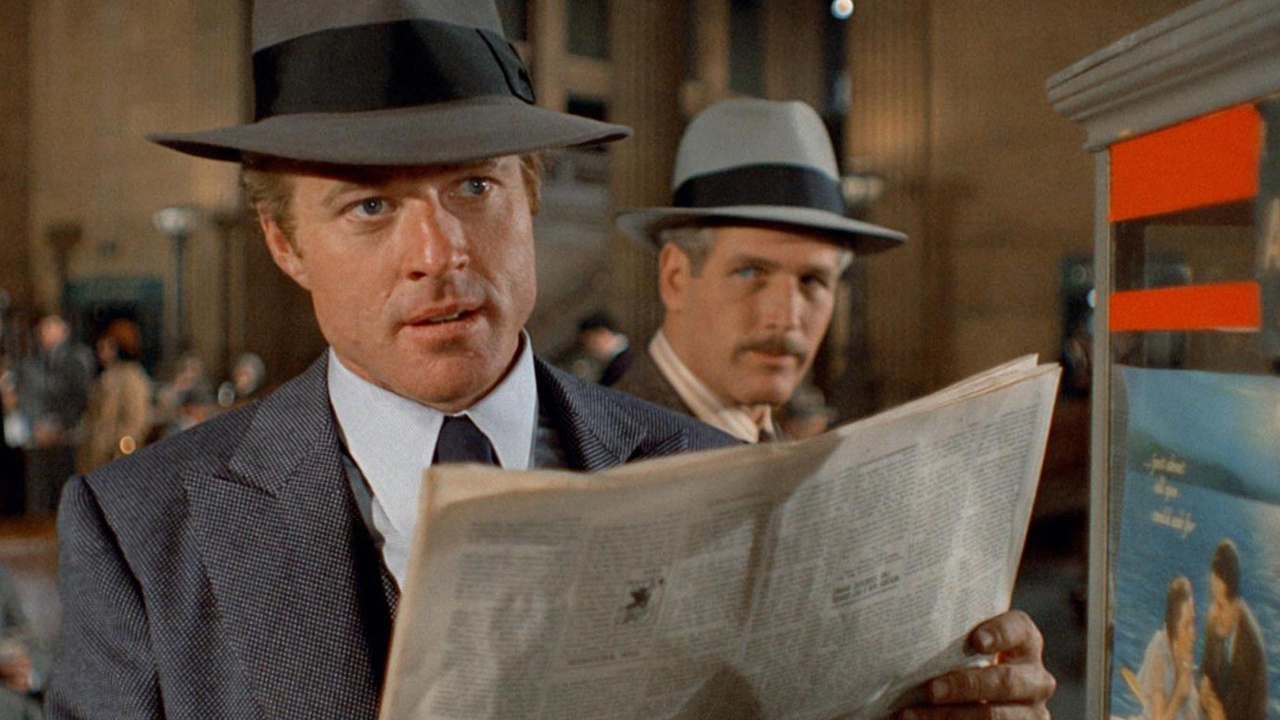
Ask a room full of film fans to name the best casino movie and you’ll get Casino, Ocean’s Eleven, maybe Rounders if someone’s feeling contrarian. Almost nobody says The Sting. That’s the interesting part.
A new ranking of 24 casino films put a number on something critics have argued about for decades: which of these movies actually earned their reputation once you weigh box office and IMDb score against what they cost to make. Strip away the marketing budgets and the star power, and the 1973 con-artist caper starring Paul Newman and Robert Redford comes out on top by a wide margin.
How the Ranking Actually Works
The formula isn’t complicated. Take a film’s IMDb rating, add its worldwide box office, then measure both against the production budget. A $200 million blockbuster that barely breaks even scores worse than a small film that quietly outperforms its budget several times over. It rewards efficiency, not scale, which is exactly why a fifty-two-year-old caper film beats out anything released this decade.
The Math Behind the Win
The Sting cost about $5.5 million. It brought back $156 million worldwide. That’s the kind of return that gets a studio executive promoted, and it happened in an era before blockbuster marketing existed. It also picked up seven Academy Awards, including Best Picture, and the film has since been preserved in the National Film Registry for its cultural significance. Small budget, huge gross, five decades of critical respect. That combination puts its Casino Movie Score at 79.7 out of 100, well clear of second place.
If a film like this makes you want to see how the real thing compares, plenty of people end up checking BonusFinders Canadian online casino reviews after the credits roll, just to see whether the tension on screen matches anything you’d actually find at a table.
Second Place Is a Split Decision
Tied at 68.1 are two films that have almost nothing in common: Leaving Las Vegas, Nicolas Cage’s bleak 1995 drama, and The Hangover, the 2009 comedy that somehow turned a bachelor party gone wrong into a $469 million global hit from a $35 million budget. Different genres, different decades, same lesson: casino movies don’t need to be serious to make money.
Casino Royale lands fourth at 63.8, with Ocean’s Eleven and The Cincinnati Kid tied for fifth at 62.3. The bigger surprise is where Scorsese’s Casino sits. Most people assume it’s the genre’s high point. On this list it’s tied for seventh with Rounders, dragged down by a $52 million budget that a leaner film wouldn’t have needed to carry. If you want to see the same pattern play out elsewhere, our look at The Irishman covers a Scorsese film that never needed a big opening weekend to be remembered.
The Films That Just Missed the Cut
Swingers takes ninth, a reminder that a dark comedy shot on a shoestring budget can still punch its way into the conversation decades later. California Split and Fear and Loathing in Las Vegas tie for tenth. Further down, Ocean’s Twelve and Thirteen sit at 18 and 15, proof that sequels to a hit don’t automatically inherit its efficiency. The best-reviewed film to miss the top ten entirely is 1996’s Hard Eight, a critical favorite that never found the audience to match its 7.1 rating.
What This Actually Says About the Genre
Casino movies have been a staple since the mid-1960s, and the appeal hasn’t dimmed. Britannica notes The Sting took home seven Oscars from ten nominations, a haul that still ranks among the most decorated comedies in Academy history. Fifty-two years later, it’s still winning.
The films at the top of this list all share one habit: they know exactly how much they need to spend to make the con work. Newman and Redford running a grift on a moving train, or a hungover groomsman’s crew tearing apart Vegas looking for a missing friend. Same principle either way. The best casino movie isn’t the one with the biggest budget. It’s the one that gets more out than it puts in, which, if you think about it, is also the whole point of the con.